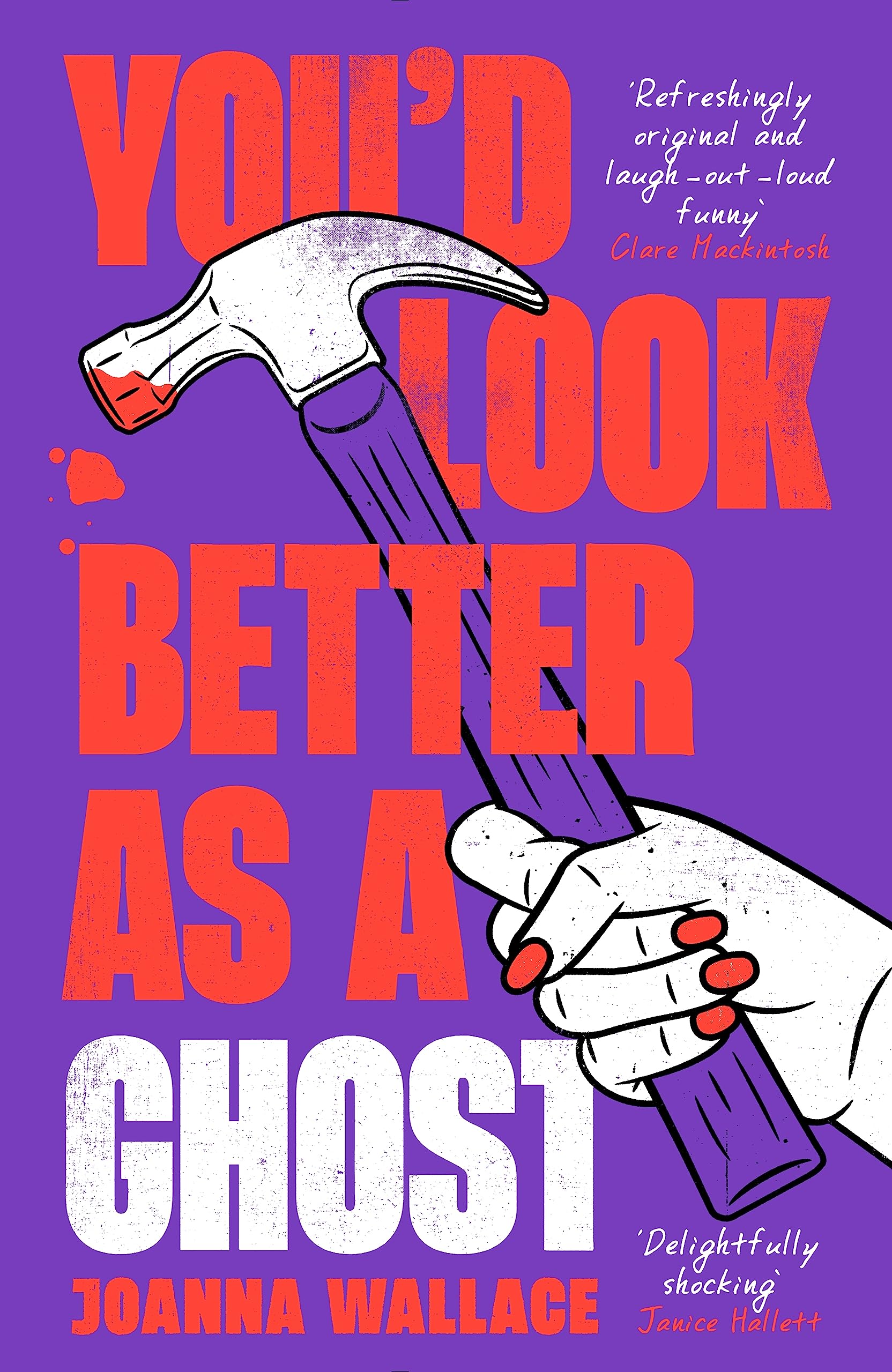
Ever scrolled past a photo that felt... off? In a good way? You know the ones. Blurry edges. A pale, almost translucent figure standing in a field of tall grass. A shot taken with a slow shutter speed that turns a person into a smear of white light. That’s the "you'd look better as a ghost" vibe. It's a phrase that’s evolved from a literal (and frankly, aggressive) insult into a massive visual subculture. It’s part dark academia, part "coquette" gone wrong, and entirely obsessed with the beauty of disappearing.
Honestly, it’s a mood. We’re living in an era where everyone is hyper-visible. We’ve got high-definition cameras in our pockets and every blemish is a 4K disaster. Naturally, the counter-culture response is to want to be a blur. A specter. Something that can't be pinned down by an algorithm or a tagged photo.
What "You'd Look Better as a Ghost" Actually Means Now
If you heard this phrase in 2005, you were probably listening to a post-hardcore band or getting roasted on a message board. It was a classic "drop dead" sentiment. But today? It’s a compliment. Sorta.
When someone says you'd look better as a ghost on TikTok or Pinterest, they’re talking about a specific visual language. It’s the "Ghost Photoshoot" trend where people throw a bedsheet over their heads and wear sunglasses, sure. But it goes deeper than that. It’s about the Long Exposure Aesthetic. It's about capturing a sense of longing and transience. It’s the idea that there is something inherently more artistic about a person who isn't fully there.
The Rise of the Ethereal Blur
Photography has always flirted with the afterlife. Think back to the Victorian era. "Spirit photography" was a huge scam—and a huge fascination. People like William H. Mumler made a fortune "capturing" ghosts in portraits. Fast forward to 2026, and we're doing the same thing, just with iPhones and Lightroom presets.
We’ve moved away from the "Instagram Face" era. Nobody wants the sharp contour and the perfect ring light anymore. We want the grain. We want the motion blur. By embracing the "ghost" look, creators are reclaiming their right to be messy and unrecognizable. It’s a visual protest against the surveillance state of social media. If you're a ghost, you can't be tracked. You're just a vibe.
Why We’re All Obsessed With "Disappearing"
Psychologically, there is something deeply soothing about the ghost aesthetic. Life is loud. The news is heavy. Being a "ghost" offers a form of escapism. It’s a way to be present in a space without the burden of being a person.
- Anonymity as Power: In a world of facial recognition, being a blur is a flex.
- Romanticizing Melancholy: There’s a specific "sad girl" or "lonely boy" energy attached to this. It’s about the beauty in the breakdown.
- The Nostalgia Factor: Film photography (and its digital mimics) naturally creates these ghostly effects. It reminds us of old family photos where someone moved too fast and became a legend.
It isn't just about the photos, though. It's the clothes. The "you'd look better as a ghost" style leans heavily into sheer fabrics, lace, and oversized white linens. Think Simone Rocha or the more hauntological side of Vivienne Westwood. It’s about dressing like you’re haunting a manor in the 1800s but you also have a Spotify playlist.
The Influence of Horror and Gothic Lit
You can't talk about this without mentioning the Gothic. Mary Shelley, the Brontës, Edgar Allan Poe—they laid the groundwork for this. The "ghost" isn't just a dead person; it's a memory that refuses to leave. When we lean into this aesthetic, we’re tapping into that literary tradition. We’re saying we have history. We have depth. We aren't just 2D images on a screen.
How to Nail the Ghost Look Without Looking Like a Literal Bed Sheet
So, how do you actually pull this off without it being a Halloween costume? It's all about the technical side of the "you'd look better as a ghost" trend.
First, shutter speed is your best friend. If you’re using a DSLR or a mirrorless camera, drop that shutter speed down to 1/10 or 1/15. You’ll need a tripod for the background to stay sharp, but you—the subject—need to move. Just a little. A turn of the head. A slow walk across the frame. This creates that "transparent" look where the background bleeds through the person.
If you’re on a phone, use the Long Exposure feature on your Live Photos.
- Take a Live Photo while moving slightly.
- Open the photo in your gallery.
- Tap the "Live" icon in the top left.
- Select "Long Exposure."
Boom. You’re a ghost.
The Color Palette of the Afterlife
Forget neon. Forget high contrast. The "ghostly" look thrives in the desaturated. We're talking greys, muted blues, creams, and that specific "overcast day" lighting. You want your photos to look like they were taken in a fog, even if you’re just in your bedroom.
Editing is where the magic happens. Crushing the blacks (making the shadows lighter and grayer) and adding a heavy dose of film grain makes the image feel tactile. It makes it feel like it exists in the real world, not just in a digital cloud.
The Controversy: Is It Pro-Disappearing?
Let’s get real for a second. There is a critique here. Some argue that the "you'd look better as a ghost" trend romanticizes being "gone" or "invisible" in a way that touches on mental health struggles. It’s a fair point. When we celebrate the idea of fading away, we have to be careful not to make the struggle look like an accessory.
However, most people in the community see it as the opposite. It’s about presence through absence. It’s about acknowledging that we are more than our physical bodies. It’s a way to express feelings of being overwhelmed by the world. It’s art. And art has always used the macabre to explain the human experience.
The Viral Power of a Phrase
Why did "you'd look better as a ghost" stick? Because it’s provocative. It’s a "scroll-stopper." In the attention economy, a phrase that sounds like a threat but looks like a dream is gold.
It also fits perfectly into the "core" culture. We’ve had Cottagecore, Gorpcore, and now, maybe we’re in Ghostcore. It’s a niche, but it’s a sticky one. It’s one of those rare trends that bridges the gap between the "alt" kids on Tumblr and the high-fashion editorial world.
Actionable Steps to Embrace Your Inner Specter
If you're looking to integrate this aesthetic into your life or content strategy, don't just copy-paste. Make it yours. Here is how you actually start.
1. Audit Your Lighting Stop using direct sunlight. It’s too harsh. It’s too "real." Wait for the "blue hour"—that window right after the sun goes down but before it's pitch black. The light is soft, cool, and naturally ghostly. If you're indoors, use a single soft light source from the side. Shadows are your friends.
2. Play With Movement In your next video or photo, don't stand still. We’ve been trained to "pose" like statues. Break that. Sway. Let your hair fall over your face. Use a slow-motion filter and then speed it up slightly. It creates an uncanny valley effect that is very "ghost."
3. Wardrobe Textures Look for "transparent" elements. A sheer shirt over a tank top. A veil. Even just a very thin scarf. These catch the light differently and help create that layered, multidimensional look that defines the aesthetic.
4. Focus on the Environment A ghost is nothing without a haunting ground. Find locations that feel "liminal." Empty parking lots, foggy parks, old libraries, or even just a hallway with one flickering light. The space tells half the story.
The "you'd look better as a ghost" movement isn't about dying. It’s about living in a way that isn't so heavy. It’s about lightness. It’s about realizing that in a world where everyone is screaming to be seen, there is a quiet, haunting power in being a little bit invisible.
Stop trying to be high-definition. Embrace the blur. The most interesting parts of us aren't the ones that are perfectly lit and in focus anyway. They're the parts that are a little bit mysterious, a little bit messy, and a whole lot like a ghost.



