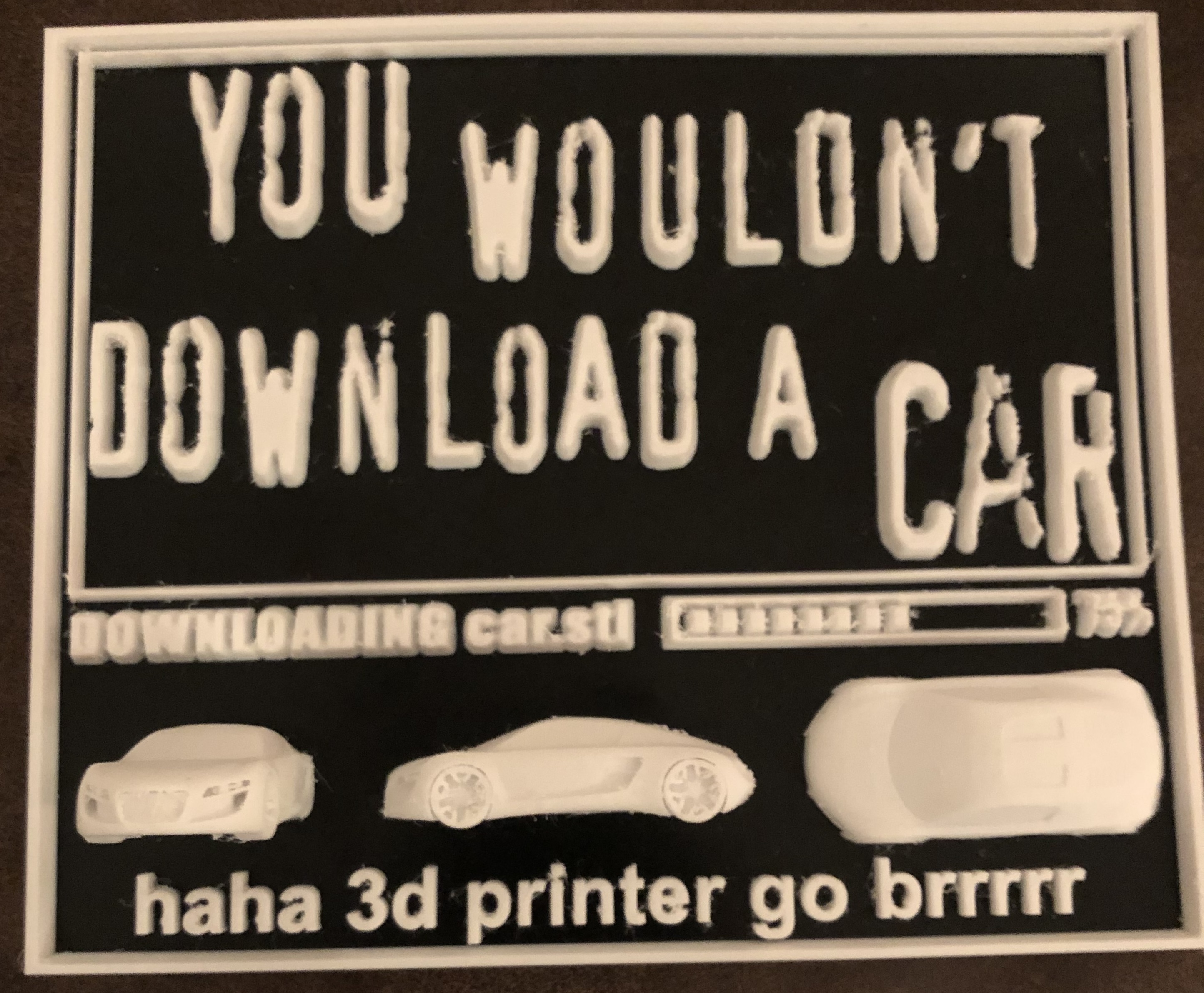
The year was 2004. You just popped a fresh DVD into your player, ready to zone out with some popcorn. But before the menu loads, a frantic, high-octane techno beat blasts through your speakers. Metal-grating sound effects scream as neon text flashes across the screen: You wouldn't steal a handbag. You wouldn't steal a television. Then, the line that launched a thousand ship-posters and defined an entire generation of internet culture: You wouldn't download a car.
It was aggressive. It was loud. It was deeply, unintentionally hilarious.
Technically titled the "Piracy. It’s a Crime" PSA, the campaign was created by the Federation Against Copyright Theft (FACT) and the Motion Picture Association of America (MPAA). They wanted to scare people. They wanted to equate clicking a link on LimeWire with grand theft auto. Instead, they created the perfect template for online mockery. Honestly, the logic was so flawed from the jump that it almost invited the backlash. Most people understood that taking a physical purse from a lady on the street is a "zero-sum" act—she doesn't have the purse anymore. But downloading a file? That’s a copy. The original is still there. This fundamental misunderstanding of how the public viewed digital property made the you wouldn't download a car slogan the poster child for out-of-touch corporate finger-wagging.
The Weird History of That Gritty Soundtrack
There’s a persistent urban legend that the music in the ad was actually stolen. For years, Reddit threads and Twitter posts claimed the MPAA used a track by Dutch artist Melchior Rietveldt without paying him. It sounds like the ultimate poetic justice, right? The anti-piracy people pirating music?
Well, it’s complicated.
Rietveldt was involved in a legal dispute, but it wasn't exactly over this specific commercial. He had composed a piece of music for a local film festival in 2004 that was meant for a one-time use. According to reports from the time, including coverage by TorrentFreak, he later discovered his music was being used on tens of millions of DVDs without his permission or any additional compensation. However, the high-energy "Prodigy-style" track we all associate with the "You Wouldn't Download a Car" video was actually a separate piece of library music. It’s a bit of a "telephone game" factoid. While the MPAA and its affiliates certainly had a history of aggressive licensing issues, the specific song that goes wun-nuh-nuh-nuh-nuh while the girl downloads a movie was legally cleared. Still, the irony of the surrounding lawsuits helped cement the ad’s reputation as a hypocritical mess.
Why the "Download a Car" Logic Failed So Hard
The ad failed because it tried to ignore the concept of "post-scarcity."
When you steal a physical car, you’re creating a victim who can no longer get to work. When you "download" a car—if such a thing were even possible in 2004—you’re just creating a new car out of thin air. The original car is still in the driveway. By trying to bridge the gap between physical theft and digital duplication, the MPAA accidentally highlighted the exact reason why piracy was so appealing. It felt victimless.
Also, the stakes were just weirdly mismatched.
- Stealing a handbag: A crime of opportunity/violence.
- Stealing a TV: Breaking and entering.
- Downloading a movie: Sitting in your pajamas waiting for a progress bar.
The "Piracy. It’s a Crime" campaign ignored the convenience factor. People weren't necessarily pirating because they wanted to "steal"; they were pirating because buying a DVD meant sitting through unskippable warnings about how they shouldn't be a criminal. If you pirated the movie, you got the film immediately. No ads. No FBI warnings. No "You Wouldn't Download a Car" yelling at you. The industry was effectively punishing its paying customers while the pirates got a superior user experience.
The Meme That Refuses to Die
You’ve seen the variations. You wouldn't download a house. You wouldn't download a boyfriend. The meme works because the phrasing is so specific and yet so flexible.
By the late 2000s, the "You Wouldn't Download a Car" parody became a staple of internet humor. It showed up in The IT Crowd, where a character tries to watch a pirated DVD and is met with an increasingly absurd PSA claiming that "Downloading piracy is a crime" and showing a policeman shooting a woman for stealing his helmet. It was satire, but only barely. The real ad was already so close to parody that it didn't take much to push it over the edge.
Interestingly, as technology evolved, the ad became "accidentally" prophetic.
With the rise of 3D printing, the joke shifted. Suddenly, you could download a car—or at least the schematics for one. In 2013, a project called "Local Motors" actually 3D-printed a functional car body. People on the internet collectively lost their minds. The very thing the MPAA said we wouldn't do became a literal tech milestone. It turned the ad from a piece of propaganda into a hilarious challenge that humanity eventually accepted.
The Shift to Streaming and the Death of the PSA
Why don't we see ads like this anymore? Because the industry finally figured out that "guilt-tripping" doesn't work as well as "convenience."
When Netflix and Spotify arrived, piracy rates for movies and music plummeted. It wasn't because people suddenly felt bad about downloading a car; it was because paying ten bucks a month was easier than navigating the virus-filled minefield of The Pirate Bay. The MPAA realized that the aggressive, "you're a thief" messaging was actually alienating their best customers.
Today, the ad exists mostly as a nostalgic relic for Millennials and Gen Z. It represents a specific era of the internet—the Wild West of file sharing before everything was centralized into three or four massive streaming platforms.
What We Can Actually Learn From the "Download a Car" Era
If you’re a creator or a business owner, there’s a massive lesson here about "antagonistic marketing."
Trying to shame your audience into compliance almost always backfires. It creates a "Streisand Effect" where the more you tell people not to do something, the more they want to do it—or at least the more they want to make fun of you for it. The you wouldn't download a car campaign is the ultimate case study in failing to understand consumer psychology.
People want access, not a lecture.
The industry eventually learned that the solution to piracy wasn't more scary commercials; it was better distribution. If you make it easy and affordable to buy something, people will buy it. If you yell at them through their TV screens, they’re just going to turn you into a meme that lasts for two decades.
Actionable Takeaways for Navigating Digital Rights Today
- Focus on Frictionless Access: If you’re selling digital content, the "buy" button needs to be faster than the "pirate" search.
- Avoid Moralizing Content: Your customers aren't looking for a moral philosophy lesson; they're looking for entertainment. Keep the legal warnings to the fine print.
- Understand Digital Scarcity: Recognize that the public perceives "copying" differently than "stealing." Price your digital goods based on their value to the user, not based on an outdated physical-world analogy.
- Embrace the Meme: If your brand becomes a joke, lean into it. The brands that survived the early internet era were the ones that didn't take themselves too seriously.
Ultimately, the "You Wouldn’t Download a Car" ad remains a masterpiece of unintentional comedy. It’s a reminder that no matter how much money you spend on a high-production PSA, you can’t force people to respect a logic that doesn't make sense in their daily lives. And honestly? If I could download a 1967 Mustang right now, I’d do it in a heartbeat. You probably would too.



