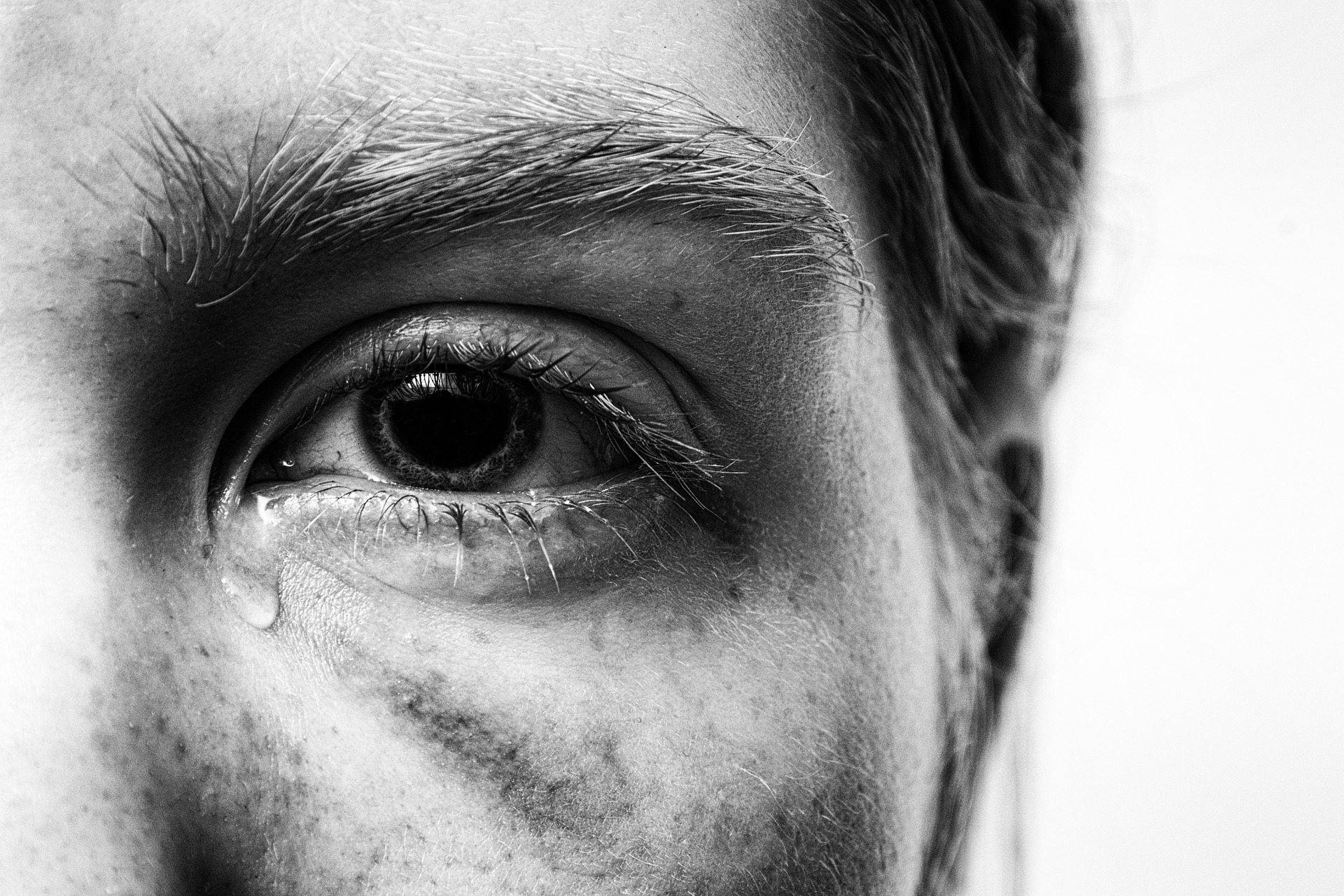
Music has this weird way of pinning us down. One minute you're just driving, and the next, a specific chord progression or a whispered line from Cyndi Lauper's 1986 hit "True Colors" catches you right in the throat. That opening line—you with the sad eyes—isn't just a lyric. It’s a direct address. It feels like someone finally looked past the fake smile you've been wearing all week. Honestly, it’s a bit invasive, but in the best way possible.
Billy Steinberg and Tom Kelly wrote it. They didn't write it for Cyndi, though. Originally, they envisioned a gospel-style anthem, something perhaps better suited for a singer like Anne Murray. But Lauper heard something else. She stripped the production down. She made it intimate. She turned a generic sentiment into a lifeline for anyone feeling marginalized, discouraged, or just plain tired of pretending.
The Story Behind You With the Sad Eyes
Steinberg actually wrote the song about his own mother. That’s the real root of it. It wasn't meant to be a massive LGBTQ+ anthem or a universal "hang in there" message initially. It was a personal observation of someone he loved who was struggling. When you look at the phrase you with the sad eyes through that lens, it changes things. It’s not a pitying look. It’s a look of recognition.
Pop music in the mid-80s was often loud, synthetic, and aggressively upbeat. Think about what else was on the charts in '86: Peter Gabriel’s "Sledgehammer" or Bon Jovi’s "You Give Love a Bad Name." Then comes this quiet, percussive track that starts with a confession. Lauper’s decision to use a breathy, almost fragile vocal take was a massive risk. It worked.
The song stayed at number one on the Billboard Hot 100 for two weeks. It wasn't just a hit; it became a cultural touchstone. People felt seen. They still do.
Why We Connect With the Visual of Sadness
There is a specific psychology at play here. When we hear a song address a physical trait—the "sad eyes"—it triggers a mirror neuron response. We think of our own reflections. We think of the times we’ve looked in the mirror and realized our expression didn't match the "I'm fine" we told our coworkers.
Interestingly, the phrase you with the sad eyes has been echoed and referenced in countless ways across pop culture since. It’s a trope, sure, but it’s a trope because it’s a universal human experience. We all have "sad eyes" sometimes. Lauper’s genius was in telling us that those eyes are beautiful specifically because they are honest.
Beyond the Lyrics: The Legacy of True Colors
You can't talk about this song without mentioning the True Colors United organization. Lauper didn't just sing the song and move on to the next paycheck. She used the momentum of that single phrase to address youth homelessness, particularly among LGBTQ+ youth. In the US, LGBTQ+ young people are 120% more likely to experience homelessness than their non-LGBTQ+ peers. That is a staggering, heartbreaking statistic.
The "sad eyes" in the song became a symbol for those who felt they had to hide their "true colors" to survive.
- The song was a centerpiece of the 2007 and 2008 True Colors Tours.
- Artists like Phil Collins, Shane Filan, and even the cast of Glee have covered it.
- Each version tries to capture that same vulnerability, but Lauper’s original remains the gold standard because of its raw simplicity.
The Technical Magic of the 1986 Recording
If you listen closely to the original recording, it’s not just the vocals. The arrangement is sparse. You’ve got this ticking, clock-like percussion. It creates a sense of intimacy, like you're sitting in a small room with the artist. Tom Kelly and Billy Steinberg were masters of this. They also wrote "Like a Virgin" and "Eternal Flame." They knew how to craft a hook, but with "True Colors," they crafted a mood.
Steinberg has mentioned in interviews that Lauper came up with the idea of the "breathy" intro. It wasn't in the demo. That choice—to start almost at a whisper—is what makes the line you with the sad eyes feel like a secret being shared between friends.
Misconceptions About the Message
Some people think "True Colors" is just a "be yourself" song. That’s a bit of a shallow take. It’s actually a "I see you're hurting, and I'm not going to look away" song. There’s a huge difference. One is a Hallmark card; the other is a deep act of empathy.
When Lauper sings "don't be unhappy," it’s not a command. It’s an acknowledgment that the person she’s talking to has "gone world-weary." It’s a recognition of burnout. In 2026, where digital fatigue and "doomscrolling" are part of the daily grind, that sentiment feels more relevant than ever. We are a generation of people with sad eyes, staring at blue-light screens.
How to Apply the "True Colors" Philosophy Today
It’s easy to get cynical about 80s pop. Everything feels like a brand or a "vibe" now. But the core lesson of the you with the sad eyes narrative is about radical observation. It’s about looking at the people in your life—your friends, your partner, the person making your coffee—and actually seeing them.
- Practice Active Noticing. If someone looks off, don't just ask "how are you?" Ask something specific. "I noticed you've been a bit quiet lately, everything okay?"
- Stop the Performance. We spend so much time "curating" our lives. The song suggests that your "true colors" are beautiful, even if they aren't neon and bright.
- Support the Vulnerable. Take a cue from Lauper. If you’ve found success or stability, use your platform to look out for those who are still in the "darkness" the song describes.
The staying power of this track isn't just nostalgia. It’s the fact that sadness is a part of the human condition that we constantly try to polish away. Lauper told us to stop polishing. She told us the sadness was beautiful because it was real.
If you're feeling like the person in the song today, maybe go back and listen to the original 1986 version. Skip the high-energy remixes. Just listen to that ticking clock and the whispered opening. Recognize that having "sad eyes" doesn't mean you're broken; it just means you're paying attention to the world.
To really lean into this, consider doing a "digital audit" of how you present yourself. Are you hiding your true colors behind filters? Sometimes, the most radical thing you can do is let the world see you exactly as you are, tired eyes and all. It’s exhausting to be a rainbow all the time. Sometimes, being a simple, honest shade of blue is more than enough.



