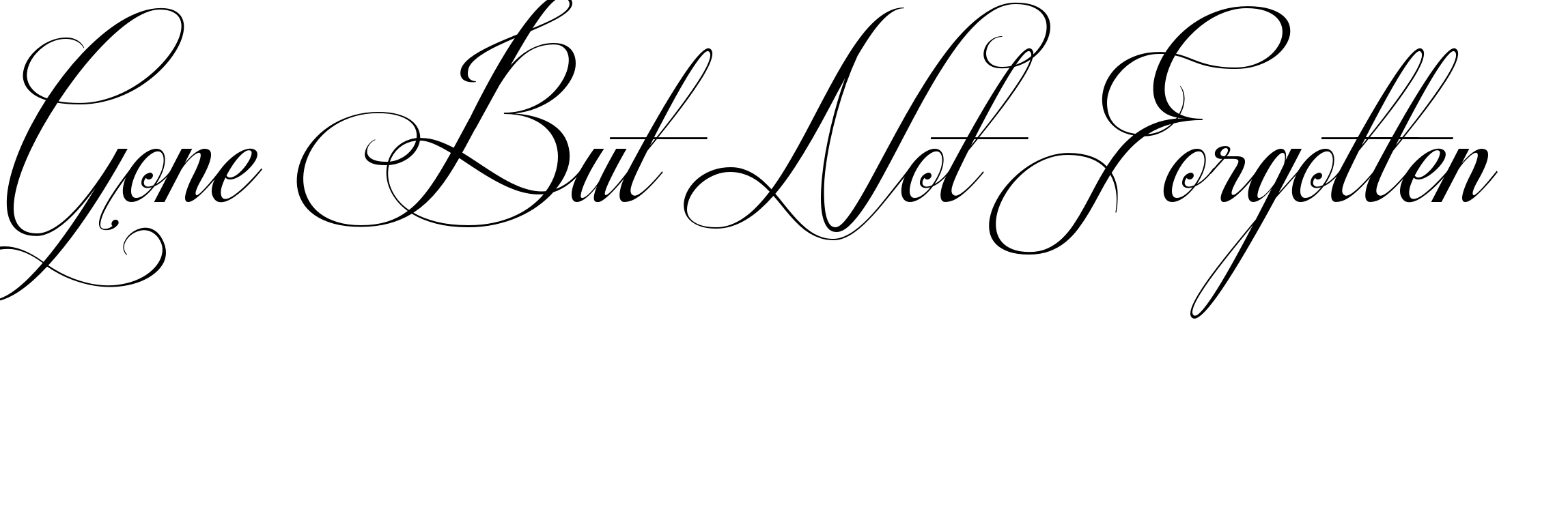
Death is weird now.
It used to be that when someone passed away, you had a shoebox of Polaroids, a dusty flannel shirt that still smelled like their laundry detergent, and maybe a headstone in a local cemetery. That was the extent of the physical footprint. But today? Your digital ghost is everywhere. You’ve got Instagram stories saved in highlights, unread LinkedIn messages, and a Spotify "Wrapped" from three years ago that still suggests lo-fi beats to your grieving spouse. We tell people you will never be forgotten because, frankly, the internet won't let us forget even if we wanted to.
Legacy has shifted from stone to silicon.
The psychology of being remembered
We have this deep-seated, lizard-brain fear of vanishing. It's called symbolic immortality. Psychologists like Robert Jay Lifton have talked about this for decades—the idea that humans need to feel like they belong to something that outlasts their heartbeat. Whether that’s through kids, art, or a really popular Twitter thread, we're all just trying to scream "I was here" into the void.
Honestly, the phrase you will never be forgotten is a heavy promise to make. It’s a comfort to the dying and a burden to the living. When we say it at a funeral or post it under a tribute photo, we’re trying to bridge the gap between "gone" and "erased." But there’s a massive difference between a memory and a data point.
One is warm. The other is a server in Northern Virginia.
How big tech handles your "forever"
Facebook was actually one of the first to realize that dead people were clogging up their social graphs. Back in the day, you’d get "suggested friends" for people who had been dead for six months. It was jarring. It was painful. So they introduced memorialized profiles.
If you haven't set up a "Legacy Contact" yet, you probably should. This is a real person you designate to manage your account after you pass. They can’t read your private messages (thank god), but they can change your profile picture and respond to tribute posts. It's a way to ensure that the sentiment you will never be forgotten stays respectful rather than becoming a target for spammers or a frozen time capsule of your worst haircuts.
Google has something similar called the Inactive Account Manager. You decide how long you have to be "away" before Google triggers a self-destruct or hands the keys to your Google Photos to a trusted friend. It’s grim work, but it’s the modern version of writing a will.
The Rise of the "Griefbot" and Digital Resurrection
Things get kinda sci-fi here. Have you heard of James Vlahos? He’s a journalist who created the "Dadbot." When his father was dying of terminal cancer, James recorded hours of his stories and programmed a chatbot so he could keep "talking" to his dad after he passed.
It’s a polarizing concept.
On one hand, it’s a beautiful way to ensure you will never be forgotten by preserving the cadence of someone's voice and their specific brand of humor. On the other hand, some grief counselors worry it creates "complicated grief." If you’re texting a simulation of your dead father, are you actually moving on? Or are you just stuck in a digital loop?
Companies like Somnium Space and DeepBrain AI are already working on "Live Forever" modes. They use VR and AI to recreate your likeness and personality based on your data. It’s not "you," obviously. It’s a puppet made of math. But for a grieving teenager who wants to ask their mom for advice one last time, that puppet might be enough.
Why physical objects still win
Digital stuff is fragile. Bit rot is real. If a company goes bankrupt or a hard drive fails, those "forever" memories vanish. That’s why there’s a massive resurgence in analog memorialization.
I’m talking about "cremation jewelry" where a person’s ashes are turned into a lab-grown diamond. Or those companies that press a loved one’s voice onto a vinyl record. There is a tactile reality to these things that a cloud-based folder just can’t replicate.
There's something about the weight of a physical object. You can hold it. You can break it. You can lose it. Ironically, the fact that a physical object is perishable makes it feel more "human" than a digital file that stays pristine forever.
The "Right to be Forgotten" vs. The Desire to Stay
Here is the irony: while many of us are terrified of being forgotten, some people are fighting for the legal right to disappear.
In the EU, the "Right to be Forgotten" allows individuals to ask search engines to remove links about them that are "inadequate, irrelevant, or no longer relevant." Maybe it’s a stupid thing you did in college or an old bankruptcy.
We live in this weird tension.
We want our loved ones to say you will never be forgotten in a sentimental sense, but we also want the internet to forget our mistakes. We want a curated legacy. We want the highlights, not the bloopers. But a real legacy is messy. It’s the whole person, not just the LinkedIn-optimized version of them.
Cultivating a legacy that actually matters
So, how do you actually ensure you leave something behind that isn’t just clutter?
It’s not about how many followers you have. It’s about the "ripple effect." Think about a teacher you had twenty years ago who said one thing that changed how you view the world. They might not even remember your name, but their influence is living in your brain. That is how you will never be forgotten.
It’s about intentionality.
Instead of worrying about your digital "footprint," think about your "handprint." What have you touched? Who have you helped? What systems did you improve?
Real steps for managing your digital and emotional legacy
If you want to take this seriously, you have to move past the sentiment and get into the logistics. It's not romantic, but it's necessary.
First: Audit your digital life. Go into your Google settings and find the Inactive Account Manager. Set it up. Decide who gets your data. This prevents your private life from being locked in a digital vault that no one can access, or worse, being left open for hackers.
Second: Record the "Why," not just the "What." Photos are great, but a photo of a sunset doesn't tell your grandkids anything about you. Record a voice memo. Write a letter. Tell the story of your biggest failure and what it taught you. Those are the things that provide actual value to the people left behind.
Third: Organize your physical archives. If you have a box of old photos, write names on the back. Seriously. Do it this weekend. In two generations, nobody will know who "The guy with the mustache in 1984" is. Without a name, the photo is just a piece of paper. With a name and a story, it’s a legacy.
Fourth: Focus on the "Living Legacy." The best way to ensure you will never be forgotten is to invest in people while you’re still here. Mentorship is the most durable form of memory. When you teach someone a skill or help them through a crisis, you are literally embedding a part of yourself into their future.
The hard truth about memory
Eventually, everyone is forgotten.
In a hundred years, maybe your great-grandchildren will know your name. In five hundred years? You’re a entry in a genealogy database. In a billion years? The sun expands and the Earth is a cinder.
That sounds depressing, but it’s actually kind of liberating.
The pressure to be "immortal" is a scam. The real goal isn't to live forever in a textbook or on a server; it's to have mattered to the people who were in the room with you. If you lived a life of kindness, curiosity, and integrity, then you will never be forgotten by the people who actually counted. The rest is just data.
Actionable Next Steps for Today
- Set your Legacy Contact on Facebook and your Inactive Account Manager on Google. It takes five minutes and saves your family months of legal headaches.
- Write one "Legacy Letter" to someone you care about. Don't wait for a milestone. Tell them exactly how they've influenced you.
- Print your favorite photos. Digital files are vulnerable to format changes and cloud service shutdowns. Physical prints are surprisingly resilient.
- Identify your "Core Story." If you could only leave one piece of advice for the next generation, what would it be? Record it on your phone today and put it in a folder labeled "Read Me Later."
By taking these steps, you move the phrase you will never be forgotten from a cliché into a tangible reality. You’re making it easy for people to remember the real you, not the algorithm's version of you.



