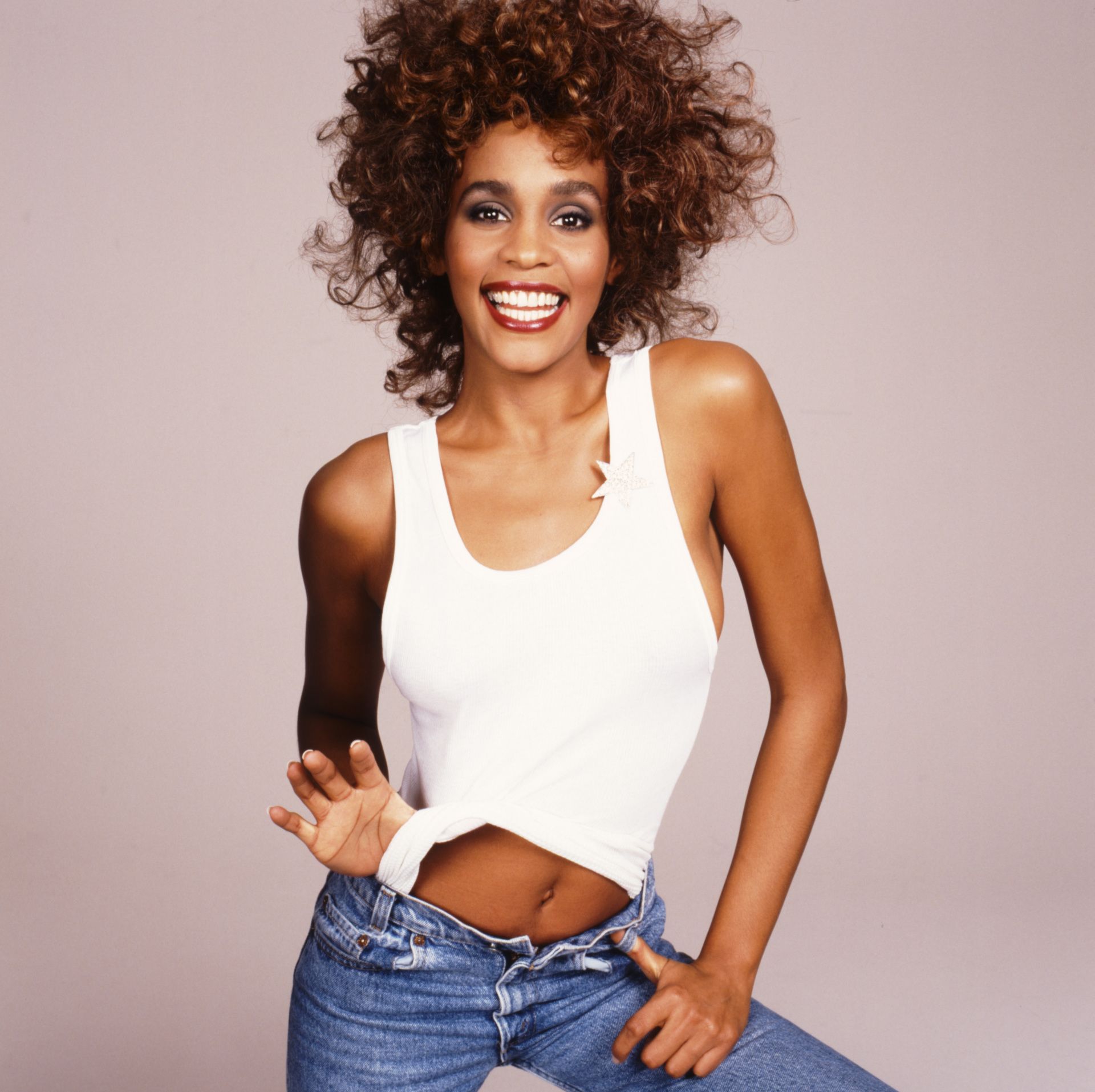
Whitney Houston didn’t just sing songs. She colonized them. When she stepped into a recording booth, the original version of a track—no matter how iconic—usually became a footnote. We saw it with Dolly Parton’s "I Will Always Love You." We saw it with Chaka Khan’s "I’m Every Woman." But there’s a specific, soulful corner of her discography that fans still debate today, centered on the 1996 powerhouse track You Were Loved.
It’s a song that feels like a warm hug and a funeral eulogy all at once. Written by the prolific Diane Warren, "You Were Loved" served as a cornerstone for The Preacher’s Wife soundtrack. If you grew up in the 90s, you couldn't escape it. It was everywhere. It played at graduations. It played at weddings. It played during those grainy VHS montages at memorials.
But why does this specific song stick?
Honestly, it’s because it captures Whitney at a crossroads. She was transitioning from the untouchable "Voice" of the 80s into a more weathered, textured, and gospel-rooted artist. You can hear it in the way she attacks the vowels. She isn't just hitting notes; she's testifying.
The Diane Warren Connection
Diane Warren is the queen of the power ballad. She’s written for everyone from Aerosmith to Lady Gaga. But her collaboration with Whitney on You Were Loved was something different. Usually, Warren’s songs are about yearning or heartbreak. This one was about legacy.
The lyrics are deceptively simple. "You were loved by somebody / Touched by somebody." It sounds like a Hallmark card on paper. In Whitney’s hands? It’s a thesis statement on human existence.
Warren has often spoken about how Whitney would take her demos—which were usually quite basic—and find pockets of melody that didn't exist before. Whitney had this freakish ability to "church up" a pop song without losing the radio appeal. When you listen to the bridge of this track, she’s doing vocal runs that most singers today would need Autotune and three business days to recreate.
She was a perfectionist. People forget that. Clive Davis, the legendary record executive who mentored her, often remarked on her ear for arrangements. She knew exactly when to pull back and when to let the vibrato shake the rafters.
Why The Preacher’s Wife Era Mattered
To understand why You Were Loved by Whitney Houston remains a fan favorite, you have to look at the context of 1996. Whitney was returning to her roots. She grew up in the New Hope Baptist Church in Newark, New Jersey. Her mother, Cissy Houston, was a gospel titan.
The Preacher’s Wife soundtrack remains the best-selling gospel album of all time. Think about that for a second. In an era dominated by grunge and West Coast rap, a gospel-infused soundtrack went three times Platinum.
"You Were Loved" was the "pop" bridge for that album. It allowed the mainstream audience to transition from the heavy choir sounds of "Joy to the World" or "I Believe in You and Me" into something they could recognize from the Bodyguard era. It was smart marketing, sure, but it felt authentic. Whitney looked happy during this cycle. She looked like she was home.
The Technical Brilliance Nobody Talks About
Let’s talk about the vocal production for a minute. If you listen to the isolated vocals of You Were Loved, you notice things that get lost in the lush orchestration.
First, the breath control. Whitney was a heavy smoker for much of her life, a fact that eventually took a toll on her upper register. However, in 1996, her "chest voice"—that mid-range power—was at its absolute peak. She hits the "D" and "E" notes with a resonance that feels like a physical weight.
Then there's the phrasing.
A lot of singers just sing the words. Whitney sang the spaces between the words. In the line "No matter what you've done," she hangs on the "n" sound just a millisecond longer than necessary. It creates tension. It makes you lean in. This is why her version of "You Were Loved" feels like she is speaking directly to you, the listener.
Dealing With the "Adult Contemporary" Label
For a long time, critics dismissed songs like this as "Adult Contemporary" fluff. They called it "safe."
That’s a lazy take.
There is nothing safe about the emotional vulnerability required to sell a lyric like "You can't say you didn't have it all." By the mid-90s, Whitney’s personal life was becoming a tabloid fixture. The pressure was immense. When she sang about the importance of being loved, she wasn't just performing. She was pleading.
The song actually performed quite well on the charts, peaking at number 15 on the Billboard Hot 100. But its "chart peak" doesn't tell the whole story. Its "recurrent" play—how often it’s still played today—is what matters. It has become a standard.
Common Misconceptions About the Recording
There’s a persistent rumor that Whitney didn’t like the song initially. Some fans claim she found it too "saccharine."
While it's true Whitney preferred "grittier" R&B—she was a huge fan of the New Jack Swing movement and later the hip-hop soul of the My Love Is Your Love album—she understood the power of a ballad. She treated these songs like a job. She was a professional. Even if she wasn't personally listening to Diane Warren ballads in her limo, she knew how to inhabit them.
Another misconception is that the song was written specifically for the film's plot. While it fits the themes of the movie—faith, community, and the quiet impact of a life well-lived—Warren actually wrote the song with Whitney’s specific vocal range in mind before the movie was even a greenlit project.
The Music Video and the "Soft" Aesthetic
The music video for "You Were Loved" is a time capsule. Directed by Kevin Bray, it’s stripped down. No massive dance routines. No high-concept sci-fi. Just Whitney in a simple outfit, some nostalgic B-roll, and a whole lot of close-ups.
It worked because you can't fake that kind of charisma. The camera loved her face. Even when she was just standing there, she commanded the frame. It reinforced the idea that she was the "Prom Queen of Soul." It was a stark contrast to the darker, more avant-garde videos coming out of the R&B world at the time from artists like Janet Jackson or TLC.
Legacy and the "Discovery" Factor
Today, younger generations are finding this song through TikTok and Instagram reels. It’s often used in "tribute" videos.
Why? Because the sentiment is universal. In an age of digital disconnection, the idea that the only thing that matters at the end of the day is that "you were loved" resonates deeply. It’s the ultimate "vibe" song for people who need a good cry or a moment of reflection.
If you’re a singer trying to cover this, my advice is simple: Don't.
Or, at least, don't try to out-sing her. You will lose. Many have tried on American Idol or The Voice, and it almost always ends in a vocal train wreck. The song requires a specific balance of restraint and power that very few humans possess.
How to Truly Appreciate the Track
To get the most out of You Were Loved by Whitney Houston, you need to stop listening to the low-bitrate versions on YouTube.
Find the original The Preacher’s Wife CD or a lossless stream. Put on a pair of decent headphones. Listen to the background vocals. Whitney did a lot of her own backing tracks, and the layering is a masterclass in harmony. You can hear her "doubling" her own lead vocals in the final chorus, creating a wall of sound that feels like a full cathedral.
Practical Steps for the Whitney Superfan
If you want to dive deeper into this specific era of her career, here is what you should do:
- Watch the "Live from Brunei" footage. Around the time of this song's release, Whitney performed for the Royal Family of Brunei. Her vocals during that period were arguably the best they ever were in a live setting.
- Compare it to "I Believe in You and Me." Listen to the two songs back-to-back. Notice how she uses a "head voice" for the higher notes in "I Believe" but stays in her "power chest" for "You Were Loved." It shows the versatility of her instrument.
- Read the liner notes. Check out the musicians involved. You'll see names like Mervyn Warren and Babyface scattered across that album’s credits. The sheer amount of talent in the room was staggering.
- Listen for the "Churchy" ad-libs. In the last 60 seconds of the song, Whitney starts to "ad-lib." She breaks away from the written melody. This is where the real Whitney lives. The "Yeah, yeah" and the "Oh, someone loved you" aren't just filler; they are the heart of the performance.
Whitney Houston's death in 2012 changed how we hear her music. Songs like "You Were Loved" feel heavier now. They feel like a message she left behind for her fans. It’s a reminder that despite the drama, the tabloids, and the struggles, the voice—and the love behind it—was the only thing that was ever real.



