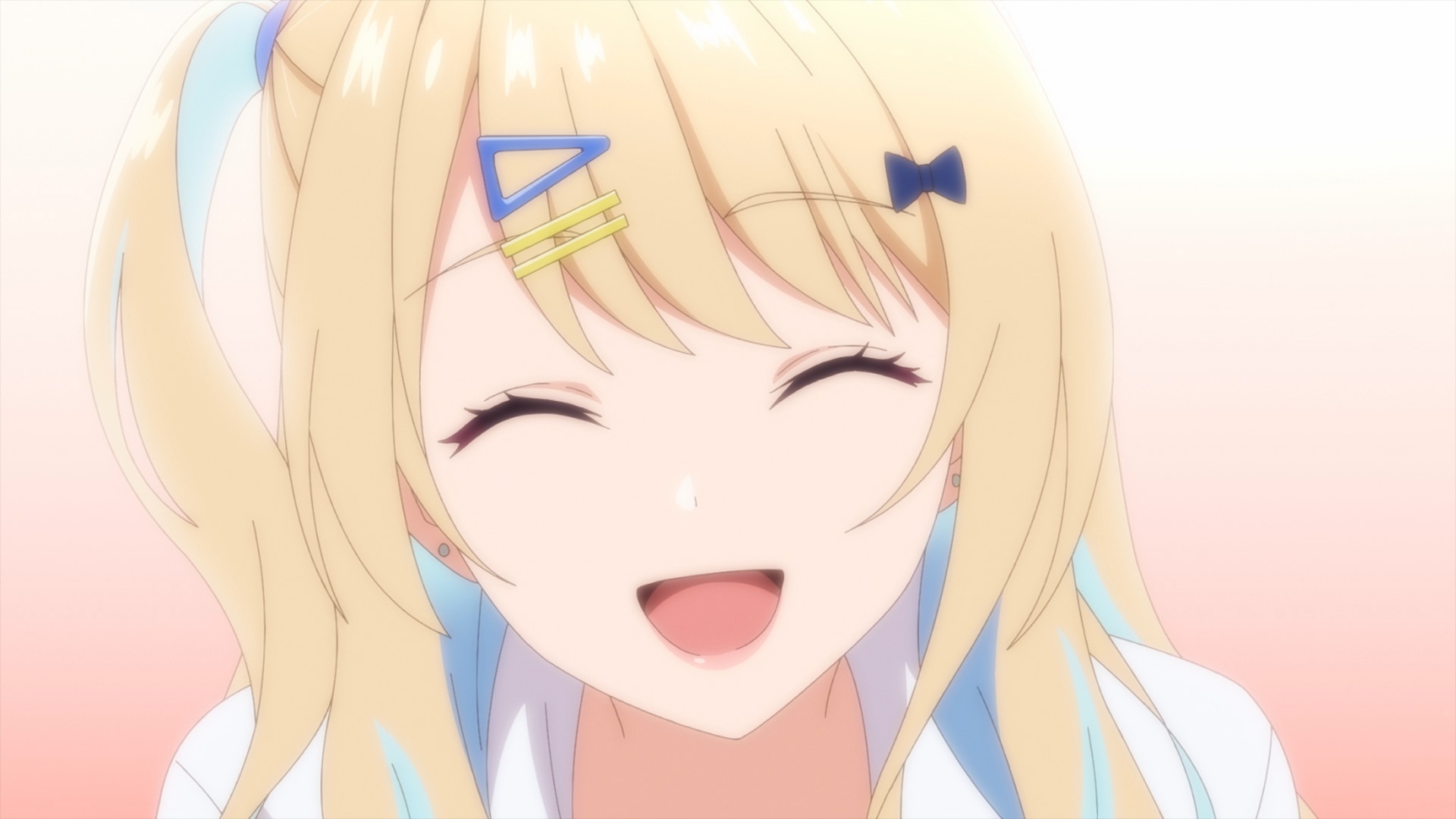
Romance anime usually follows a very tired, very specific script. Boy meets girl. They both blush until their faces turn into ripe tomatoes. Maybe around episode twelve, they accidentally brush hands. If we're lucky, they confess their feelings by the season finale. Then there is Keiken Zumi na Kimi to, Keiken Zero na Ore ga, Otsukiai suru Hanashi, or as most of us call it, You Were Experienced, I Was Not.
It’s a mouthful. Honestly, the title sounds like a typical "trashy" light novel adaptation. But when you actually sit down to watch You Were Experienced, I Was Not, you realize it’s poking at something a lot more uncomfortable and honest than the average high school crush story.
The premise is basically a social experiment gone right. Ryūto Kashima is your standard-issue "gloomy" introverted high schooler. He loses a bet and has to confess to the school’s most popular, "experienced" girl, Runa Shirakawa. Instead of the expected rejection, she just says... "Okay." Just like that. No fanfare. No three-season build-up. They’re a couple within the first five minutes.
The Reality Check of You Were Experienced, I Was Not
Most romance series treat virginity or "inexperience" like a holy relic. It’s a source of endless comedy or high-stakes drama. Here, the show handles the gap between Ryūto and Runa with a surprising amount of maturity, even when it’s being silly.
Runa isn't some untouchable goddess. She’s a girl who has been through the ringer. She’s dated around. She has baggage. Ryūto, on the other hand, hasn't even held a girl's hand. The friction doesn't come from "will they or won't they" but from "how do we actually make this work?"
It’s refreshing.
Kashima is terrified. He thinks he’s boring. He’s convinced that because Runa has "experience," she’s going to find him lacking or get tired of his awkwardness. Runa, meanwhile, is just looking for someone who actually likes her and not just the idea of her. You see this play out in their early dates. It’s clunky. It’s weird. It feels like real life.
Why the "Experienced" Label Matters
In Japanese media, the "Gyaru" archetype (which Runa fits) often carries a lot of baggage. There are tons of tropes about these girls being shallow or "easy." This anime takes that stereotype and punches it in the gut. Runa is incredibly kind, almost to a fault. Her past experiences aren't treated as a "sin" to be washed away, but as part of her growth.
She's been hurt. She's been used.
When you watch You Were Experienced, I Was Not, the focus shifts from the physical implications of the title to the emotional ones. Ryūto has to learn that his lack of experience isn't a weakness, and Runa has to learn that her past doesn't define her future value.
Production and Pacing: What to Expect
Let’s be real for a second. This isn’t a high-budget Demon Slayer production. Studio ENGI handled the animation, and while it’s clean and the character designs are vibrant, it’s not going to win awards for groundbreaking visuals.
The strength is in the dialogue.
The conversations between the main duo feel genuine. They talk about their insecurities. They actually discuss boundaries. In a genre where communication is usually the enemy of the plot, seeing two teenagers actually speak their minds is a breath of fresh air.
- Pacing: It moves fast. Since the confession happens at the start, the "middle" of the story is where most shows would end.
- Tone: It’s a mix. One minute it’s a sweet slice-of-life, the next it’s dealing with some pretty heavy themes regarding social reputation and trauma.
- Supporting Cast: The friends are actually useful. They aren't just there to yell in the background; they provide the outside perspective that helps the leads navigate their weird relationship.
Breaking the Virginity Obsession
Most anime fans are used to the "pure" protagonist. Ryūto is definitely that, but the show doesn't treat his purity as a prize. Instead, it treats it as a hurdle. He has to get over his own ego. He has to stop putting Runa on a pedestal.
There's a specific scene where they discuss their expectations for the relationship. It could have been fanservice. It could have been a cheap gag. Instead, it’s a quiet, serious moment where they realize they are on two completely different pages. That’s where the show shines. It’s not about the sex; it’s about the intimacy.
Comparison to Other Modern Rom-Coms
If you’ve seen My Dress-Up Darling or Horimiya, you’ll find some DNA here. But where Marin Kitagawa is a force of nature that drags Gojo into her world, Runa and Ryūto are meeting in the middle.
It feels more grounded than Rent-a-Girlfriend (thank God) and less melodramatic than Domestic Girlfriend. It sits in that sweet spot of being a "comfort watch" that still manages to say something meaningful about how we judge people based on their dating history.
People often compare Runa to other "Gyaru" characters, but she’s much softer. She isn't trying to tease Ryūto into a heart attack. She’s genuinely trying to figure out how to be a good girlfriend to someone who is fundamentally different from the guys she used to know.
The Critical Reception and Fan Base
The light novels by Makiko Nagaoka were a hit for a reason. They tapped into a specific anxiety that a lot of young men feel: the fear of being "behind" in life.
When the anime aired, the reception was split. Some people wanted more "spicy" content given the title. Others were pleasantly surprised by how wholesome it turned out to be. It’s a show that rewards you for sticking around. It’s not just a gimmick.
Common Misconceptions
- It’s just fanservice. Nope. While there are some suggestive moments, it’s surprisingly chaste. It’s a romance, not an ecchi.
- The MC is annoying. Ryūto can be frustratingly shy, but he grows. He actually learns to stand up for himself and Runa.
- It’s a "harem." Absolutely not. This is a dedicated, one-on-one relationship story.
Actionable Steps for New Viewers
If you’re planning to dive into this series, here is the best way to approach it.
First, go in with an open mind. Don't let the title fool you into thinking this is a cynical or exploitative show. It’s actually one of the more empathetic looks at teenage relationships in recent years.
Secondly, pay attention to the subtext of the side characters. Runa’s twin sister, Maria, adds a layer of complexity to the family dynamic that explains a lot about why Runa is the way she is. The "experienced" part of the title isn't just about romance; it's about life experience and the scars we carry.
Third, check out the light novels if you enjoy the anime. The anime covers a good chunk of the early volumes, but the internal monologues in the books give a lot more depth to Ryūto’s neurosis and Runa’s genuine fears of abandonment.
Finally, watch for the subtle changes in Ryūto’s character design. As the series progresses, he carries himself differently. He becomes less of a background character in his own life. It’s a subtle touch by the animators that really pays off by the end of the season.
The show is currently streaming on major platforms like Crunchyroll. It’s a quick watch—twelve episodes that go by fast. If you’re tired of the "will they, won't they" loop that lasts for 200 chapters, give this one a shot. It starts where others end, and that makes all the difference.
Start by watching the first three episodes. If the chemistry between the "gloomy" boy and the "popular" girl doesn't click by then, it might not be for you. But for most, the subversion of expectations is more than enough to keep you hooked until the final credits roll.
The real value here isn't in the "experience" Runa has, but in the new experiences they build together from scratch. That's the heart of the show. It’s a reminder that everyone starts somewhere, and your past doesn't have to be a barrier to a healthy, happy present.



