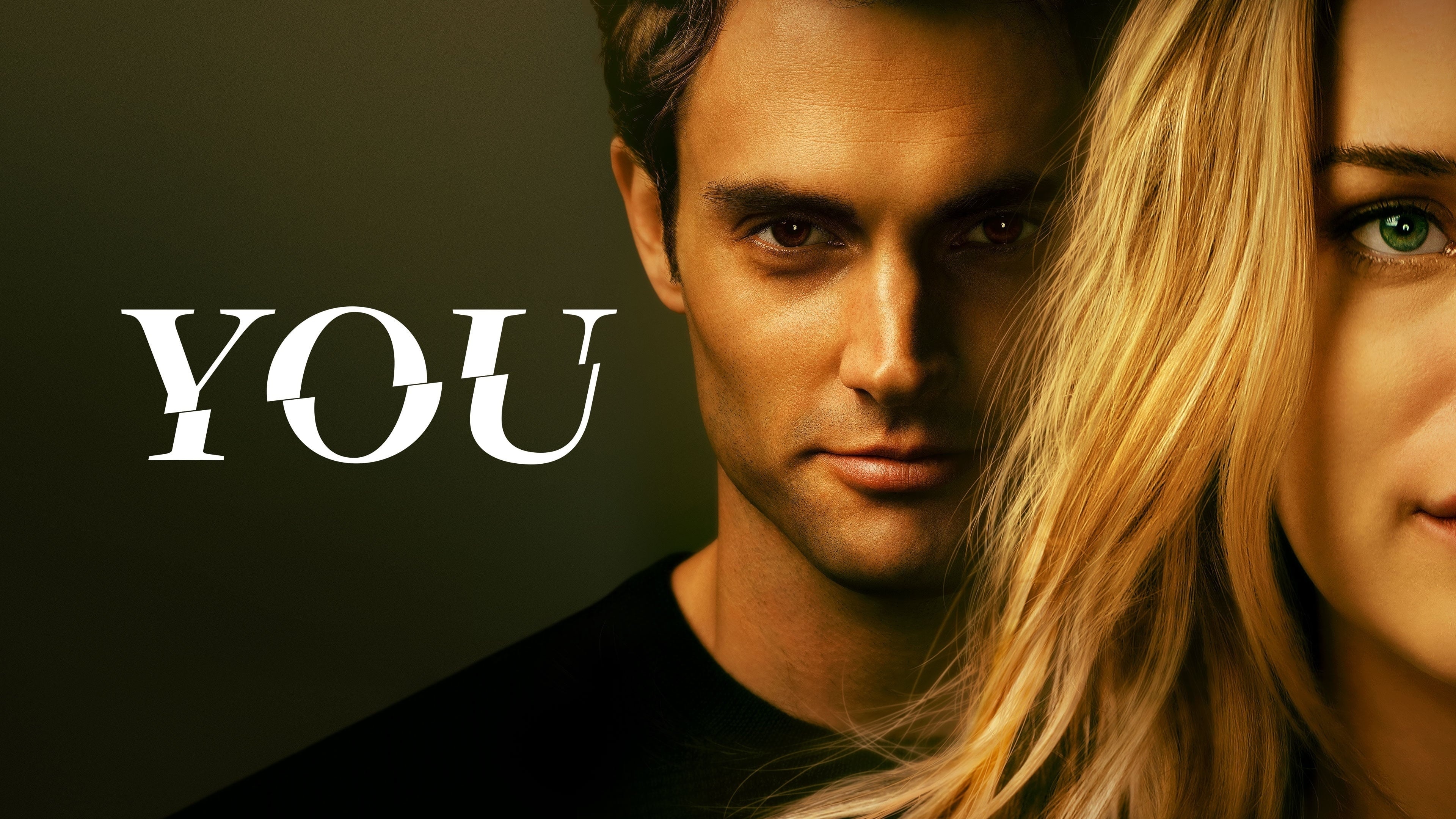
Most people think You is a Netflix Original. It isn't. If you go back to September 2018, the You TV series Lifetime run was actually a bit of a disaster, at least by traditional TV standards. It’s one of the weirdest stories in modern television history—a show that premiered to a tiny audience on a cable network known for "women in peril" movies, got canceled, and then somehow became a global phenomenon that changed how we think about binge-watching.
Penn Badgley was fresh off the Gossip Girl hype, playing Joe Goldberg, a bookstore manager who is basically Dan Humphrey with a bone saw. Lifetime took a massive swing on it. They even renewed it for a second season before the first episode even aired. That’s a huge vote of confidence. Then the ratings came in. They were brutal. We’re talking 600,000 viewers. For context, that’s a rounding error for a hit show. Lifetime saw the writing on the wall and quietly backed out of that second season renewal, leaving the show in a state of limbo that usually ends in a permanent "canceled" status.
Why the You TV Series Lifetime Run Failed So Hard
It’s easy to blame the marketing, but honestly, Lifetime just wasn’t the right vibe for a psychological thriller that deconstructed the "nice guy" trope. The audience for Lifetime usually wants a specific kind of catharsis. You didn't give them that. It gave them a protagonist who was a literal serial killer and asked them to find him charming.
The disconnect was palpable. While critics liked the show—it held a solid 93% on Rotten Tomatoes—the linear TV audience just didn't show up. You had to tune in at a specific time on a Tuesday night to catch it. That’s just not how people consume high-intensity, "what happens next" dramas anymore. Greg Berlanti and Sera Gamble, the showrunners, had created something that felt like a prestige cable drama, but it was trapped on a channel that people associated with midday movies about scandalous nannies.
Then Netflix stepped in. They had already bought the international streaming rights, but when Lifetime dropped the ball on Season 2, Netflix picked up the whole thing as a "Netflix Original." When the first season hit the streamer in December 2018, it reportedly reached 40 million households in its first month. Think about that. Forty million versus 600,000. It’s a staggering difference that proved the You TV series Lifetime era was just a victim of bad timing and the wrong platform.
The Problem With Linear Television in 2018
Linear TV requires a "lead-in." If the show playing before You was a soapy romance movie, the audience probably wasn't looking for a show where a guy locks a girl in a climate-controlled book vault. Netflix, on the other hand, uses algorithms. If you liked Dexter or Mindhunter, Netflix shoved You right in your face.
The Identity Crisis of Joe Goldberg
In the early days, the show had to walk a very fine line. On Lifetime, the promos often made it look like a spicy romance. That led to a lot of confusion. Fans started thirsting over Joe Goldberg on Twitter, and Penn Badgley famously spent months replying to fans, reminding them that his character is, in fact, a murderer.
"But he is so cute," one fan wrote. "Then you're missing the point," Badgley basically replied.
This tension is what made the show great, but it was also what made it a hard sell for a network that thrives on more traditional storytelling structures.
Greg Berlanti’s Gamble and the Series' Survival
Greg Berlanti is the guy behind the Arrowverse. He knows how to make "sticky" TV. Along with Sera Gamble—who did wonders on Supernatural—they adapted Caroline Kepnes’s novel with a very specific vision. They didn't want a slasher. They wanted a romantic comedy shot through the lens of a horror movie.
When the You TV series Lifetime partnership dissolved, it wasn't just about ratings. It was about the budget. Producing a show that looks that good costs money. Lifetime’s business model relies on lower overhead. Netflix, however, was in its "spend whatever it takes" era. This transition allowed the show to lean into its weirder, more satirical elements in later seasons, like the move to Los Angeles in Season 2 or the suburban nightmare of Season 3.
Breaking Down the Numbers
- Lifetime Viewership: Peaked at around 650,000 live viewers.
- Netflix Viewership: Hit 40 million+ in the first four weeks of streaming.
- Social Media Impact: The "Joe Goldberg" hashtag exploded only after the move to streaming.
It’s a case study for film students. The product didn't change—the first ten episodes were exactly the same on both platforms—but the context changed everything.
What Most People Get Wrong About the Transition
There’s a myth that Netflix "saved" the show by changing the writing. That's not true. Season 1 was fully produced and aired under the Lifetime banner. The DNA of the show—the internal monologue, the blue-tinted flashbacks, the voyeurism—was all established before a single executive at Netflix saw a frame of it.
The real "save" was purely distributional. Netflix provided the "binge factor." You is a show designed to be watched in three-hour chunks while you're ignoring your laundry. Watching it once a week on Lifetime killed the momentum. You need to stay in Joe's head to appreciate the dark humor. If you step out of it for seven days, you realize how insane the plot is and you might lose interest.
The Cultural Legacy of the Lifetime Era
While the You TV series Lifetime run is mostly a footnote now, it’s an important one. It serves as a reminder that "flops" aren't always bad shows; sometimes they are just shows in the wrong house. Without that initial Lifetime pickup, the show might never have been made at all. Lifetime took the risk that the "Big Three" networks wouldn't touch.
It also changed how networks handle streaming rights. After You blew up, networks became much more stingy. They realized that by selling their "failed" shows to Netflix, they were essentially handing over massive hits to a competitor. Now, everyone has their own streaming service (Peacock, Paramount+, etc.), so we likely won't see another "You" situation again. A show will either die on its home network or be buried in that network's own streaming library.
Lessons for Content Creators and Studios
- Platform is everything. Your audience might exist, but they might not be where you're looking.
- The "Slow Burn" is dead on cable. If a show doesn't hit in the first three weeks on linear TV, it's over.
- Controversial leads are hard to sell. Joe Goldberg is a tough pill to swallow for advertisers who want "brand safety."
How to Watch the Original Lifetime Episodes Today
If you want to see the show as it was originally intended, it’s all on Netflix now. But if you look closely at the credits of Season 1, you can still see the ghosts of its cable past. The pacing of the episodes still has those "act breaks" where commercials were supposed to go. It’s a fun bit of TV trivia to look for those fade-to-blacks that feel just a second too long.
Honestly, the show has evolved so much since then. We've gone from the streets of New York to the tech-bro circles of London. But that first season—the one that Lifetime barely managed to air—remains the purest version of the story. It was grittier, smaller, and felt a lot more like a stalker thriller than the international spy-caper it eventually became in Season 4.
Actionable Steps for Fans and Researchers
If you're interested in the business of television or just a die-hard fan of the show, there are a few things you should do to get the full picture of this transition:
- Read the Book: Caroline Kepnes’s You is even darker than the show. Joe is much less likable, and it helps you understand why Lifetime might have struggled to market him.
- Watch the Season 1 Promos: Go on YouTube and look for the original Lifetime trailers. Compare them to the Netflix trailers. You’ll see a massive difference in how the "romance" is framed versus the "horror."
- Track the "Netflix Effect": Look up other shows like Cobra Kai or Manifest that moved from linear TV to Netflix. It’s a fascinating pattern of "second-life" successes.
- Study the Ratings: Look at the Nielsen "Live + Same Day" numbers for 2018. It shows a dying medium, and You was the canary in the coal mine.
The story of the You TV series Lifetime run is ultimately one of survival. It’s about a show that was too good for its home and lucky enough to find a new one before the lights went out. As we wait for the final season, it's worth remembering that Joe Goldberg almost didn't make it past New York.



