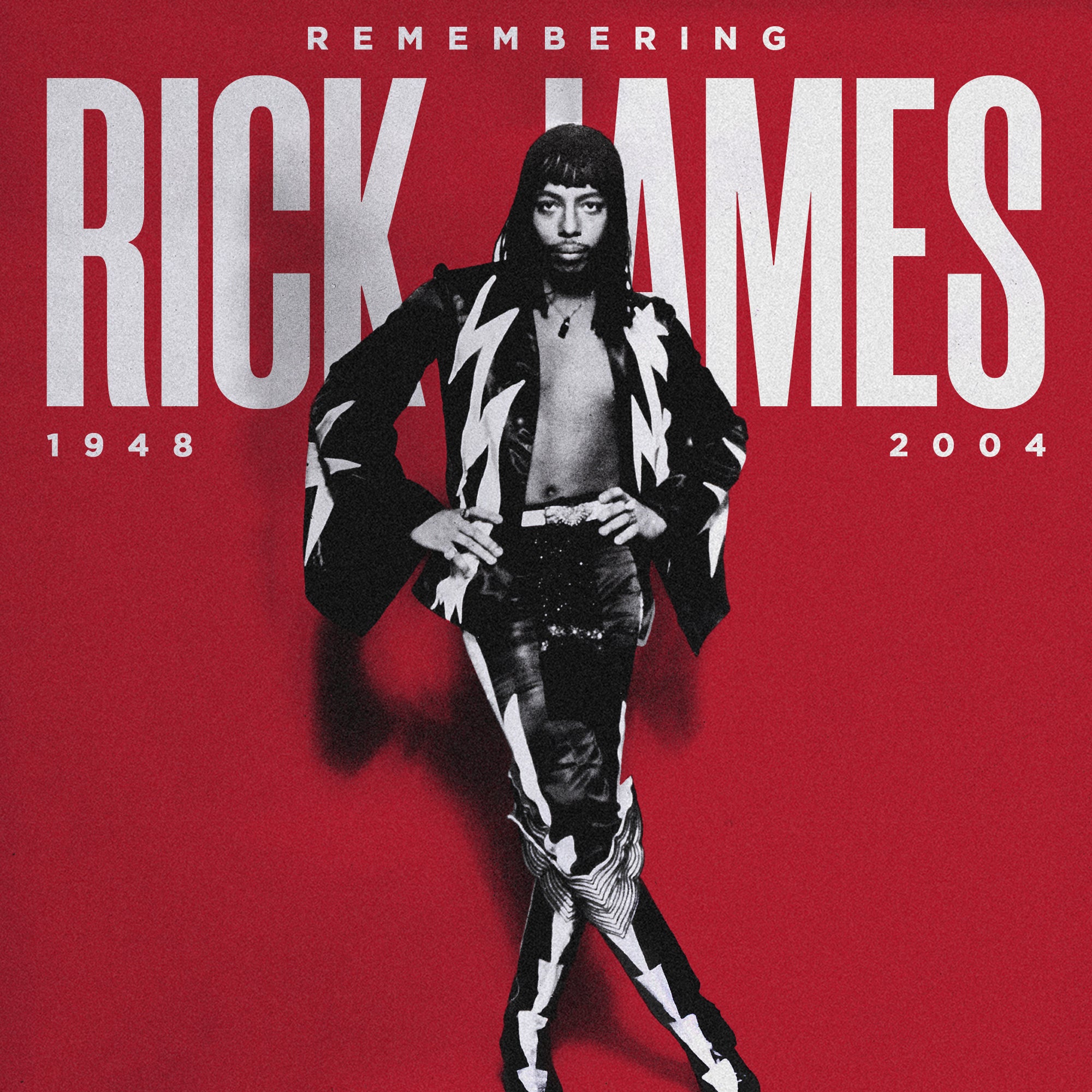
Rick James was a force of nature. Honestly, there isn’t a better way to describe a man who wore braided extensions, spandex, and a permanent smirk while basically inventing a genre he called "Punk Funk." Most people know the big ones. You can't go to a wedding without hearing Super Freak. You can't talk about 80s R&B without Give It To Me Baby. But if you really want to understand the late-stage Motown magic of the King of Punk Funk, you have to talk about You Turn Me On Rick James.
It’s a track that sits in a weird spot in his discography. It wasn’t the world-conquering smash that Street Songs produced, but it carries a specific, polished energy that defined the mid-80s transition of funk into the digital age.
The Story Behind the Groove
Released in 1984, "You Turn Me On" first appeared on the compilation album Reflections. Now, usually, "new tracks" on a greatest hits album are just filler. Labels do it to trick fans into buying songs they already own. But Rick wasn't really a "filler" kind of guy. Along with "17" and "Oh What a Night (4 Luv)," this track was part of a trio of fresh recordings meant to prove he still had the juice.
The song is quintessential Rick James. It’s got that heavy, driving bassline that feels like it’s vibrating in your chest. But there’s a sleekness to it. By 1984, the raw, grittier sound of his early work with the Stone City Band was getting a makeover. Synthesizers were taking over. The horns were tighter. The production was cleaner.
Why You Turn Me On Rick James Still Hits
Listen to the 12-inch long version. Seriously. If you’ve only heard the radio edit, you’re missing the point. The extended mix, which runs over five minutes, gives the arrangement room to breathe. Rick was a master of the "vamp"—that section of the song where the lyrics take a backseat to the rhythm.
- The Bass: It’s relentless. Rick played bass like he was trying to break the strings.
- The Vocal Delivery: He has this way of sounding both desperate and completely in control. He’s not just singing; he’s performing.
- The Arrangement: Daniel LeMelle’s horn arrangements on this track are sharp enough to cut glass.
The song actually hit the UK charts in late 1984, peaking at number 89. It didn't set the world on fire like Cold Blooded did a year prior, but in the clubs? It was a staple. It has that mid-tempo strut that DJs loved back then. It’s too fast to be a ballad but too groovy to be a frantic dance floor filler. It’s a "looking for someone across the room" kind of song.
The Era of Reflections and Glow
A lot was happening in Rick's world in '84 and '85. He was producing for Eddie Murphy (Party All the Time happened around this window). He was dealing with the massive pressure of following up his earlier success while the music industry was pivoting toward the more "sanitized" pop-funk of Prince and Michael Jackson.
"You Turn Me On" represents Rick trying to find his footing in that new landscape. It’s less "dirty" than his 1970s output but still carries that unmistakable swagger. On the B-side of the 12-inch, you’ll often find Fire and Desire, his legendary duet with Teena Marie. It’s a hilarious contrast. On one side, you have the peak of soulful, gut-wrenching balladry. On the other, "You Turn Me On" provides the slick, rhythmic payoff.
Technical Nuance: The Production Shift
If you look at the credits, Rick is everywhere. He’s the composer, the lyricist, the arranger, and the producer. He was a control freak in the studio. By the time this track was recorded, he was leaning heavily into the Yamaha DX7 and other digital synths that defined the 80s.
You can hear it in the percussion. It’s crisp. Almost too crisp. But Rick anchors it with his "real" bass playing, ensuring the song doesn't drift off into the cold, robotic territory that trapped a lot of other 80s funk artists. He kept the "punk" in the funk by keeping the attitude front and center.
Collecting the Track Today
For the vinyl nerds out there, finding a clean copy of the Reflections LP is usually the easiest way to get this on wax. However, the UK 12-inch single on Gordy Records (TMGT 1359) is the real prize. It sounds wider, louder, and deeper than the LP version.
Recently, the track has seen a bit of a resurgence on digital platforms. It was included as a bonus track on the digital deluxe version of the Glow album (originally released in 1985). This is great because it finally gave us a high-quality remaster of the instrumental and long versions that were previously trapped on aging vinyl.
Impact and Legacy
Is it his greatest song? Probably not. That’s a high bar when you’re competing with Mary Jane. But "You Turn Me On" is a vital piece of the puzzle. It shows a genius at work, adapting to a decade that was rapidly changing. It’s a reminder that even when Rick James wasn't topping the Billboard Hot 100, he was still making music that made you want to move.
People forget how musical he was. They remember the Dave Chappelle sketches or the "I'm Rick James, b****" memes. They forget he was a protégé of Berry Gordy and a man who could play almost every instrument in the room. This track is proof of that musicianship. It’s tight, it’s professional, and it’s unapologetically sexy.
Getting the Most Out of the Track
If you want to experience this song correctly, stop listening to it through your phone speakers.
- Find the 12-inch Long Version: The 5:30+ runtime is the only way to go.
- Bass Boost: If you have an EQ, bump the low end. Rick’s basslines are melodic, not just rhythmic. Listen to the "walk" he does during the chorus.
- Context: Play it right after Cold Blooded. You’ll hear the evolution of his sound in real-time.
Rick James was a complicated man with a chaotic life, but when the tape was rolling, he was a perfectionist. You Turn Me On Rick James is a testament to that era where funk was becoming high-tech but still had a soul. It’s a deep cut that deserves a permanent spot on your "Late Night" playlist.
Go back and give it a spin. It’s better than you remember.
To dig deeper into this era of funk, your next step should be comparing the production on Reflections with the Glow album to see how Rick's sound became increasingly electronic as the 80s progressed.



