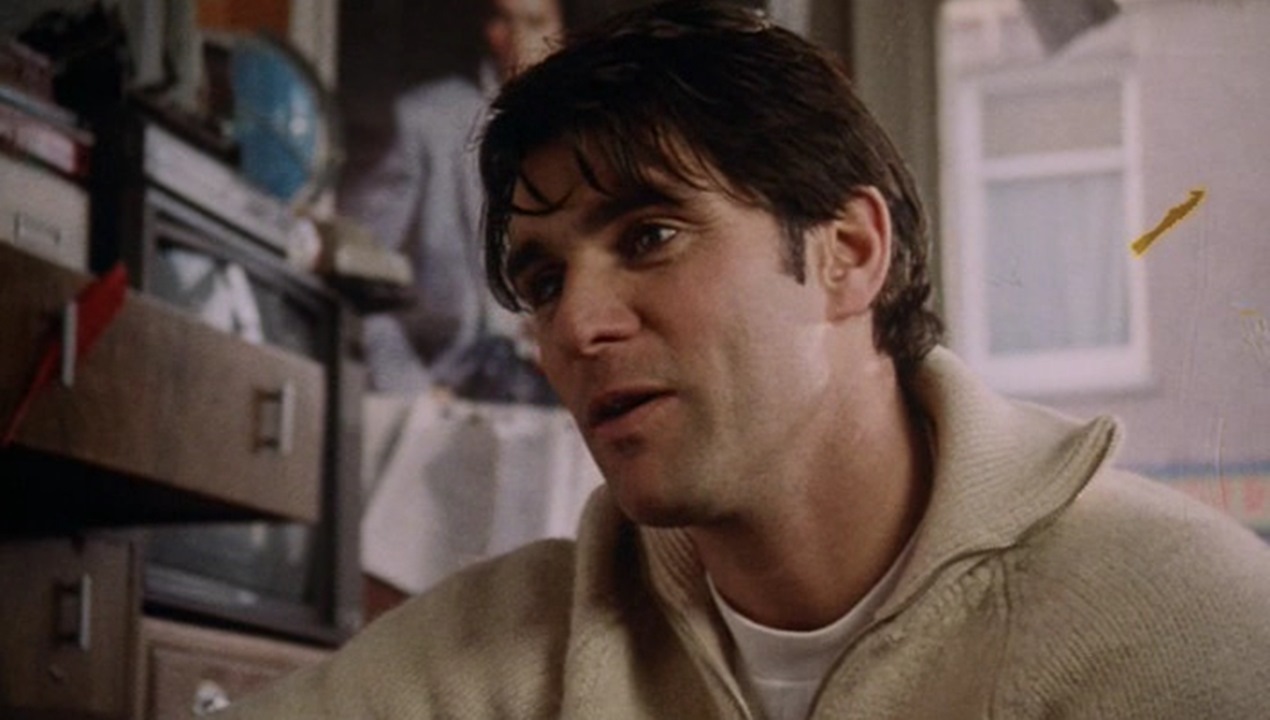
Sometimes a movie just feels off from the first frame. You know the feeling. It's that prickle on the back of your neck when a room looks a little too large or a shadow moves a half-second too late. That’s the core energy of David Koepp’s 2020 film You Should Have Left.
It’s weird.
When it first dropped during the height of the pandemic, people sort of brushed it off as another Blumhouse haunted house flick. But if you actually sit down and watch what Kevin Bacon and Amanda Seyfried are doing in that weirdly angular Welsh mansion, you realize it’s not really about ghosts. Not the sheet-and-chains kind, anyway. It’s about the architectural manifestation of guilt.
Honestly, the premise sounds like a dozen other movies you've seen. A wealthy guy with a dark past takes his much younger wife and their daughter to a remote vacation rental to "work on their marriage." Standard stuff. But You Should Have Left takes that trope and stretches it until it snaps.
The Geometry of a Nightmare
The house is the real star here. Located in the Welsh countryside, the Life House (which is a real architectural project by John Pawson, by the way) is a minimalist masterpiece of stone and right angles. It’s beautiful. It’s also deeply wrong.
In the film, Theo (Kevin Bacon) starts noticing that the measurements don't add up. He measures a room from the inside, then the outside. The inside is five inches longer. That’s a classic trope borrowed from Mark Z. Danielewski’s cult novel House of Leaves, though the movie is actually based on a 2017 novella by Daniel Kehlmann.
That five-inch discrepancy is where the horror lives. It’s the physical representation of the gap between who Theo pretends to be and who he actually is.
I’ve talked to architects who find this movie more terrifying than slasher fans do. Why? Because buildings are supposed to be the one thing we can trust. Gravity, load-bearing walls, 90-degree angles—these are the constants of our physical reality. When a hallway gets longer while you’re walking down it, your brain just... breaks. Koepp uses this brilliantly. He doesn't rely on jump scares. He relies on the fact that you can't find the light switch where you just saw it two minutes ago.
Why Kevin Bacon Was the Perfect Choice
You've seen Kevin Bacon play the hero. You’ve seen him play the villain. In You Should Have Left, he plays a man who is desperately trying to convince himself he’s the hero while knowing, deep down, he’s the villain of his own story.
Theo is a retired banker who was acquitted of murdering his first wife. The public still thinks he did it. He carries that weight into every room. Seyfried plays Susanna, his actress wife, with a sort of frantic energy that suggests she’s already halfway out the door before the movie even starts. Their chemistry isn't "romantic movie" chemistry; it's "two people holding onto a rope that's fraying" chemistry.
There is this one scene where Theo finds Susanna’s second phone. It’s such a mundane, real-world betrayal. But in the context of this shifting, impossible house, it feels like the foundation finally cracking.
The house reacts to their secrets. It’s a literal "house of mirrors" for the soul.
The Mythology of the Stetler
As the movie progresses, we hear about "Stetler." He’s the one who built the house. Or maybe he is the house.
He’s not a demon. He’s more of a cosmic debt collector.
There’s a moment where Theo encounters a version of himself, or perhaps a shadow of what he’s becoming. It’s subtle. It’s not some big CGI monster. It’s just the realization that the house didn't lure him there to kill him. It lured him there because he belongs there.
The "L" in the title isn't a suggestion. It's a past-tense condemnation. By the time you realize you should have left, you’re already part of the floorboards.
Is It Actually Based on a True Story?
Short answer: No.
Longer answer: It’s based on the universal truth of "vacation gone wrong."
Daniel Kehlmann, who wrote the original book, wanted to explore the idea of a writer losing his mind (classic Stephen King vibes), but Koepp shifted it to focus on a man with a legal but moral stain on his soul. The "truth" in the movie is the psychological reality of how we try to outrun our pasts.
We’ve all been in a place where we felt unwelcome. A hotel room that felt cold. A house where the air felt thick. You Should Have Left just takes that "bad vibe" and turns it into a labyrinth.
Why the Critics Were Divided (And Why They Were Wrong)
If you look at Rotten Tomatoes, the score is... okay. It’s not a masterpiece. But I think critics missed the point because they wanted a traditional horror movie.
This isn't The Conjuring.
It’s a slow burn. It’s a chamber piece.
One of the major complaints was that the ending felt "abrupt" or "unsatisfying." I’d argue the opposite. The ending is the only logical conclusion for a character like Theo. You can't cheat the house. You can't measure your way out of a moral vacuum.
If you go back and watch it again, pay attention to the shadows. Koepp uses lighting to suggest that the house is closing in long before the walls actually start moving. It’s masterful technical filmmaking that gets overshadowed by the "horror" label.
How to Actually Watch This Movie
If you’re going to watch You Should Have Left, don’t do it on your phone while folding laundry. You’ll miss the details.
- Watch it in the dark. Obviously.
- Pay attention to the background. The shifts in the house often happen in the periphery of the frame.
- Listen to the sound design. The house "groans," but it’s not wood settling. It’s something deeper.
Actionable Takeaways for Thriller Fans
If you liked the vibe of this film, there are a few things you should do to dive deeper into this specific subgenre of "impossible architecture" horror:
- Read the Novella: Daniel Kehlmann’s You Should Have Left is short—you can finish it in two hours. It’s even more experimental than the movie and uses the physical layout of the book’s text to mirror the character's descent into madness.
- Explore the "Liminal Space" Aesthetic: The movie taps into the internet's obsession with liminal spaces—places that feel eerie because they are transitional or empty. Look up the "Backrooms" lore if you want to see where this kind of horror is going next.
- Check Out "The Night House" (2020): If you loved the "house as a metaphor for grief/guilt" aspect, this Rebecca Hall film is the perfect double feature. It deals with similar themes of impossible geometry and secrets hidden in blueprints.
- Research the Life House: Look up Pawson's actual architectural work. Seeing the real house that inspired the film makes the movie even more unsettling because you realize how "normal" the nightmare actually looks.
The real horror isn't that a monster is under the bed. The real horror is that the room itself has decided you don't get to leave.
Most people think of their home as a sanctuary. After watching this, you’ll probably find yourself reaching for a tape measure just to make sure your bedroom is still the same size it was yesterday. And if it's an inch longer?
Well. You should have left.



