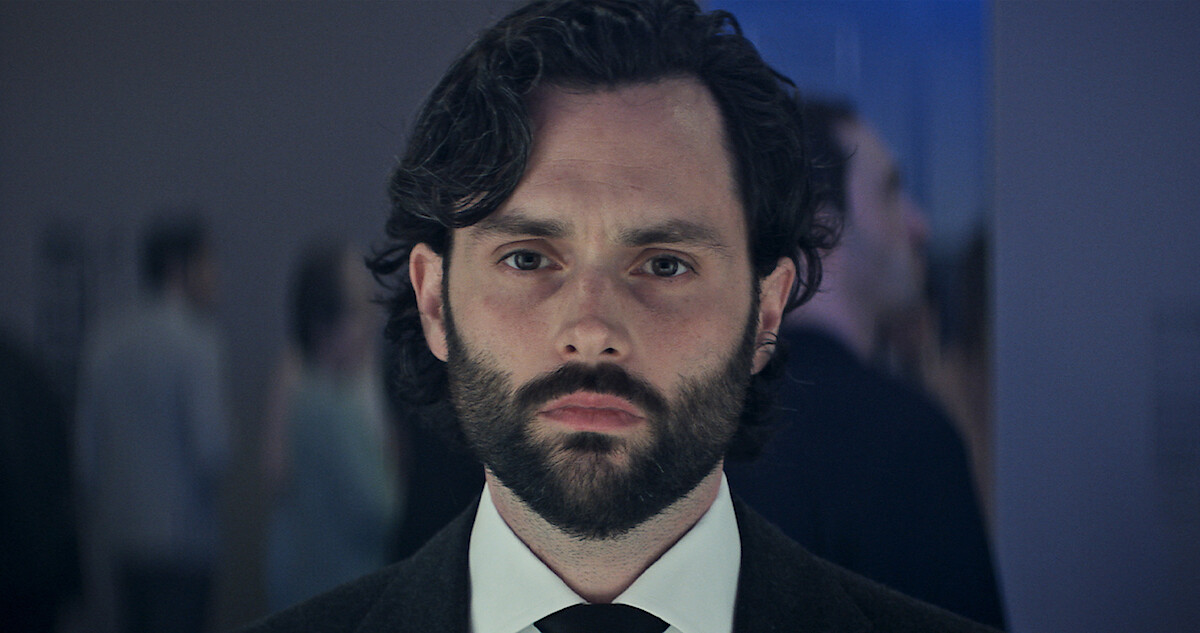
Joe Goldberg isn’t a hero. He’s a monster. Yet, back in 2018, when You season 1 first hit Lifetime—and later exploded on Netflix—half the internet seemed to forget that little detail. It was weird. We watched a guy masturbate in the bushes outside a West Village brownstone and somehow, because he had a soft spot for the kid next door and a penchant for rare books, people felt for him. That’s the brilliance of the writing. It’s also the terrifying reality of how easily we’re manipulated by a handsome face and a dry, cynical internal monologue.
Based on Caroline Kepnes’ 2014 novel, the first season of You is a masterclass in the "unreliable narrator" trope. It’s gritty. It’s claustrophobic. It smells like old paper and expensive espresso. While later seasons go off the rails into suburban satire and London whodunnits, the inaugural ten episodes remain the purest distillation of the show's core premise: the line between "hopeless romantic" and "serial predator" is dangerously thin.
The Bookstore, the Girl, and the Glass Cage
It starts at Mooney’s. Joe Goldberg, played with a chillingly specific type of "nice guy" intensity by Penn Badgley, meets Guinevere Beck. She’s a struggling MFA student. She’s messy. She’s broke. She buys a book by Paula Fox. To Joe, this isn't just a transaction; it's a soul-bond. He decides, right then and there, that she needs saving. He doesn't ask for her permission. He just starts "curating" her life.
Penn Badgley actually hated the idea of people romanticizing Joe. He’s been vocal about it for years. In various interviews, he’s reminded fans that Joe is a murderer, not a misunderstood loner. But the show makes it hard because we are stuck inside Joe's head. We hear his justifications. When he breaks into Beck’s apartment, he isn't a thief in his own mind; he’s an investigator looking for the things that prevent her from being her "best self."
The glass cage in the basement of the bookstore is the show's most iconic visual. It’s a literal vault for rare books, but it becomes a stage for Joe’s worst impulses. It’s where Benji, the douchey artisanal soda entrepreneur, meets his end via peanut oil. It’s where Peach Salinger’s influence is debated. It’s the physical manifestation of Joe’s need to possess things. You can’t just love a book; you have to preserve it in a temperature-controlled environment where it can never change. Joe treats Beck like one of those books.
Why the New York Setting Hit Differently
New York City in You season 1 isn't the sparkling Sex and the City version. It’s the version where the ceilings are leaking, the subways are a deathtrap, and nobody closes their curtains. That last part is actually a huge plot point. Joe stalks Beck primarily because she lives in a ground-floor apartment with massive windows and zero privacy. It’s a commentary on the digital age, sure, but also on the physical vulnerability of city living.
Beck is surrounded by people who are, quite frankly, exhausting. Peach Salinger (played by Shay Mitchell) is the standout antagonist here. She’s wealthy, entitled, and obsessed with Beck in a way that mirrors Joe’s own obsession, though she masks it with "old money" elitism. The tension between Joe and Peach is the highlight of the season. It’s a battle between two predators fighting over the same prey, and neither of them realizes they are the same person.
The show captures the specific anxiety of being a twenty-something in NYC. The pressure to be "seen" as successful while your bank account is overdrawn. Beck’s struggle with her writing and her toxic friend group makes her relatable, which is exactly why Joe’s intrusion feels so violations. He isn't just watching her; he’s exploiting her insecurities to make himself indispensable.
The Ethics of the "Hot Stalker"
We have to talk about the "Joe Goldberg Effect." When the season moved to Netflix, the discourse shifted. People were tweeting things like "Kidnap me please." It became a cultural phenomenon that forced a lot of people to look at how we consume true crime and romantic thrillers.
The writers, led by Sera Gamble and Greg Berlanti, intentionally used romantic comedy tropes. The "meet-cute," the "clumsy rescue," the "thoughtful gift." But they twisted them. When Joe steals Beck’s phone to monitor her every move, the show frames it through his logic—he’s just keeping her safe from her bad influences. It’s gaslighting the audience as much as he’s gaslighting the characters.
Essential Real-World Context
- Source Material: Caroline Kepnes wrote the book in the first person, which is why the voiceover is so vital to the show.
- Production: It actually struggled on Lifetime. It only became a global hit once Netflix picked it up for international distribution.
- The "Beck" Problem: Elizabeth Lail had the impossible task of playing a character who is often seen only through Joe's warped perspective. It’s a nuanced performance of a woman trying to find her voice while someone is slowly suffocating it.
The Ending That Ruined Everyone
The finale of You season 1 is devastating. There’s no other word for it. After an entire season of hoping Beck might "fix" Joe or at least escape him, the reality of his nature hits like a freight train. The shift in the final episode from a psychological thriller to a straight-up horror movie is jarring and necessary.
When Beck finds the "box of trophies" in the ceiling—the teeth, the phone, the tampons—the veil drops. Joe doesn't see himself as a villain even when he’s chasing her through the basement. He’s "heartbroken" that she doesn't understand his "sacrifices." It’s a brutal reminder that domestic abuse and stalking aren't about passion; they are about control.
The introduction of Candace in the final moments was the ultimate cliffhanger. It suggested that Joe’s past wasn't just a series of bad breakups, but a trail of bodies and unresolved trauma. It set the stage for the sequels, but nothing quite matched the raw, urban grime of that first year in New York.
Actionable Takeaways for Fans and Viewers
If you’re revisiting the series or watching it for the first time, keep these things in mind to get the most out of the experience:
- Watch the background. Joe is often in the frame when you don't realize it. The cinematography in season 1 is incredibly deliberate about showing how easy it is to be followed in a crowded city.
- Read the book. Kepnes’ prose is even darker and more cynical than the show. Joe in the book is significantly less "charming" and much more overtly misogynistic.
- Analyze the POV. Try to imagine the scenes without Joe’s voiceover. It changes the entire genre of the show from a thriller to a tragedy.
- Audit your digital footprint. Seriously. One of the biggest impacts of the show was making people realize how much information they share on social media. Check your privacy settings. Don't be a Beck.
The legacy of the first season isn't just that it gave us a new TV villain. It’s that it made us question why we’re so willing to forgive a man’s sins if he narrates them with enough wit. It’s a dark mirror held up to our obsession with "true love" and the lengths we’ll go to justify the monsters in our midst. Joe Goldberg is still out there (in the fictional world, at least), but he’ll never be as terrifyingly grounded as he was in that basement in Brooklyn.



