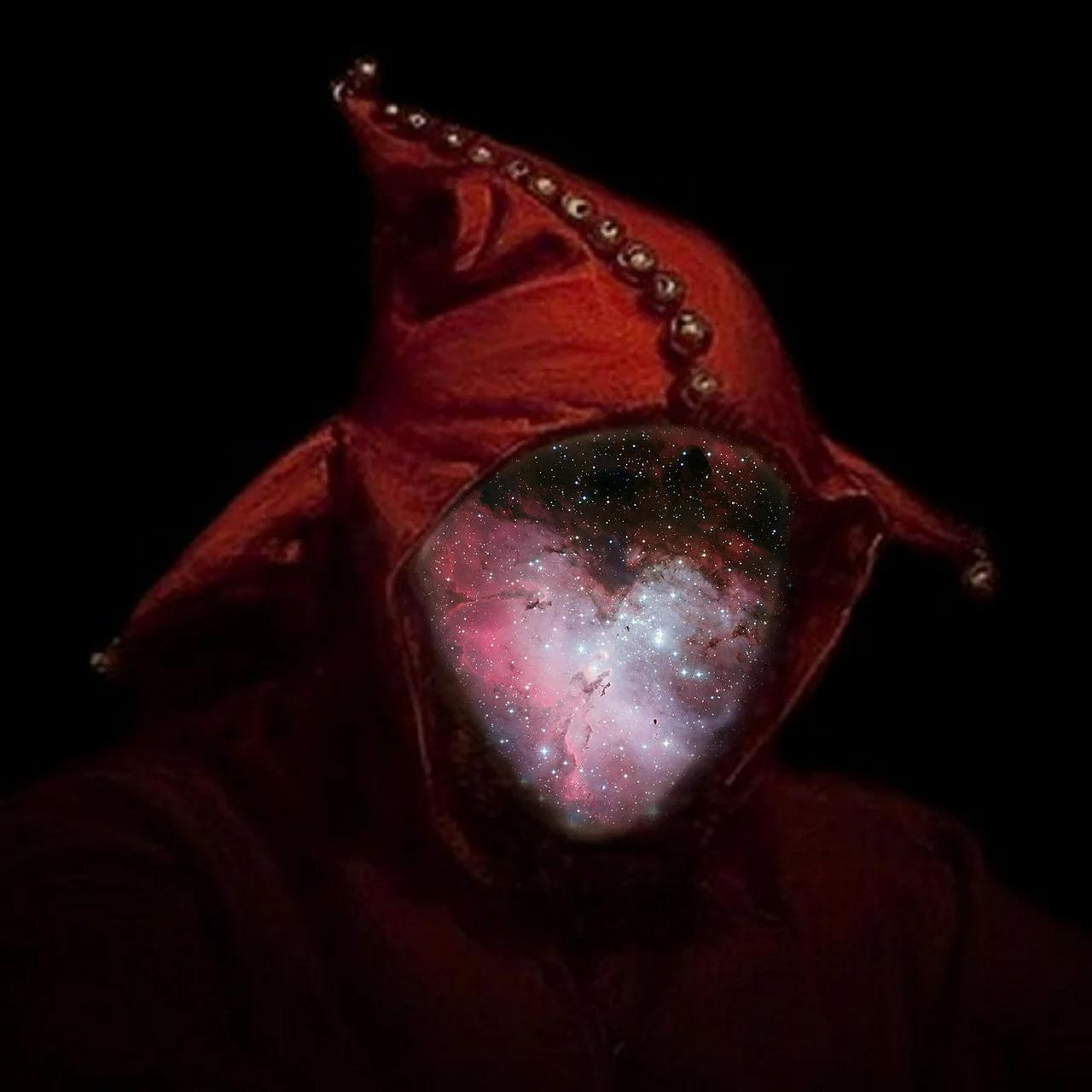
It’s a backhanded compliment wrapped in a velvet bow. When someone looks you in the eye and says, "you put on quite a show," they aren't always talking about a Broadway stage or a stadium tour. Sometimes they mean you’re a liar. Sometimes they mean you’re a genius. Other times, they’re just genuinely impressed by the spectacle of your existence.
Words carry weight, but tone carries the weapon. In the world of entertainment and interpersonal drama, this specific phrase has become a cornerstone of "The Big Reveal." It’s the moment the mask slips.
The Dual Identity of the Showman
Most people think of performance as something reserved for professionals. We pay $200 for concert tickets to see a choreographed routine. We clap. We go home. But the most impactful "shows" happen in boardrooms, breakups, and high-stakes social circles.
There’s a psychological layer here that honestly doesn’t get enough credit. Erving Goffman, a pretty famous sociologist, wrote about this back in the 1950s in his book The Presentation of Self in Everyday Life. He basically argued that we are all constantly performing. We have a "front stage" where we act for the public and a "back stage" where we can finally stop sucking in our stomachs and practicing our smiles.
When a person says you put on quite a show, they are usually announcing that they’ve caught a glimpse of your backstage. It’s an acknowledgment that the performance was convincing, but the audience has finally seen the wires holding up the set.
Why Musicians and Actors Keep Reclaiming It
If you look at lyrics from the last few decades, the phrase pops up everywhere from pop ballads to grit-teeth rock songs. It’s a lyrical shorthand for betrayal.
Take a look at how it's used in different contexts:
- The Romantic Betrayal: In songs like Rihanna’s "Take a Bow," the sentiment is front and center. The "show" is the partner's fake apology. The applause is sarcastic. It’s a way of saying, "I believed the act, but the curtains are closing now."
- The Professional Mask: In the high-pressure world of Hollywood or corporate business, putting on a show is a survival mechanism. It’s the curated LinkedIn post. It’s the "everything is fine" smile during a PR crisis.
- The Literal Spectacle: Sometimes, it actually is about the lights. When a performer like Pink or Travis Scott goes above and beyond with pyrotechnics and stunts, the phrase loses its irony and becomes a badge of honor.
The nuance is everything.
The Chemistry of a Great Performance
What makes a "show" actually good? Why do we fall for it? It comes down to emotional labor.
Whether it's a politician or a coworker, a great performance requires high emotional intelligence. You have to know exactly what the audience wants to see. You mirror their body language. You hit the right vocal inflections. It's exhausting.
I’ve seen people maintain a "show" for years. A facade of perfection. A facade of wealth. When it eventually crumbles—because it always does—the phrase you put on quite a show acts as the final period at the end of a long, complicated sentence.
The Social Media Facade: A 24/7 Production
We can't talk about this without mentioning Instagram and TikTok. We are the first generation of humans who are expected to produce a daily show for a global audience.
It’s weird.
Every reel is a production. Every "get ready with me" (GRWM) video is a scripted version of reality. We’ve reached a point where "authenticity" itself is a performance. People spend hours editing videos to look like they didn't spend any time editing them.
If someone says you put on quite a show to an influencer, it’s usually a critique of their "manufactured" life. It highlights the gap between the curated grid and the messy reality of a dirty kitchen or a failing relationship.
The Power Dynamics of Being the Audience
There is a certain power in being the one who says the phrase.
If you’re the one being "shown," you’re in a passive position. You’re being manipulated or entertained. But the second you utter those words, you take the power back. You’re saying, "I see you."
It’s a classic trope in cinema. Think of the villain who finally realizes they’ve been outsmarted by the hero. Or the spouse who finds the receipts. The phrase is a pivot point. It shifts the energy from the performer to the observer.
How to Handle a "Showman" in Your Life
Recognizing that someone is performing is the first step. Dealing with it is another thing entirely.
Watch the eyes, not the mouth. Micro-expressions are hard to fake. Even the best performers have "tells." If someone’s words are perfectly polished but their eyes are scanning the room for an exit or a reaction, they’re putting on a show.
Listen for the "Script." Performers often repeat the same stories with the same emotional beats. If you’ve heard the same "vulnerable" anecdote three times, word-for-word, it’s probably a rehearsed beat designed to elicit a specific response.
Don't clap if you don't mean it. The biggest fuel for a fake show is validation. If you stop providing the applause—the likes, the "omg you're so right," the sympathetic nods—the performance usually stops. Performers need an audience to survive. Without one, the show is just a lonely person talking to themselves.
The Mirror: Are You Putting on a Show?
It’s easy to point fingers, but most of us are guilty of this too.
Do you have a "work voice"? Do you act differently when you're around your parents versus your friends? That’s the show.
It isn't inherently evil. Sometimes it's just politeness. We don't tell the cashier how much we’re struggling because that would be an "inappropriate performance." We give them the "I’m good, how are you?" show.
The danger is when the show replaces the person. When you spend so much time in character that you forget what your actual voice sounds like.
Actionable Steps for Authenticity
If you feel like you've been putting on too much of a show lately, there are ways to dial it back.
- Practice silence. You don't always need to have a witty comeback or a perfect story. Sometimes, just being there is enough.
- Admit small failures. Break the "perfection" streak. Mention that you burned dinner or forgot an appointment. It humanizes you and lets the audience relax.
- Audit your social media. If posting makes you feel like you're "on stage," take a week off. See how it feels to live without a camera lens between you and your experiences.
- Identify your safe spaces. Who can you be around without the makeup, the bravado, or the "everything is great" script? Spend more time with those people.
The next time you hear someone say you put on quite a show, take a second to think about which version of you they’re talking to. If they’re smiling and clapping, you’ve probably done something amazing. If they’re smirking, it might be time to take off the costume and go home.
In a world full of scripts and filters, the most radical thing you can do is be the person who doesn't need a stage. Real life happens when the house lights come up and the theater is empty. That's where the truth is.
Stop focusing on the production value of your life. Focus on the value of your life when the cameras are off.



