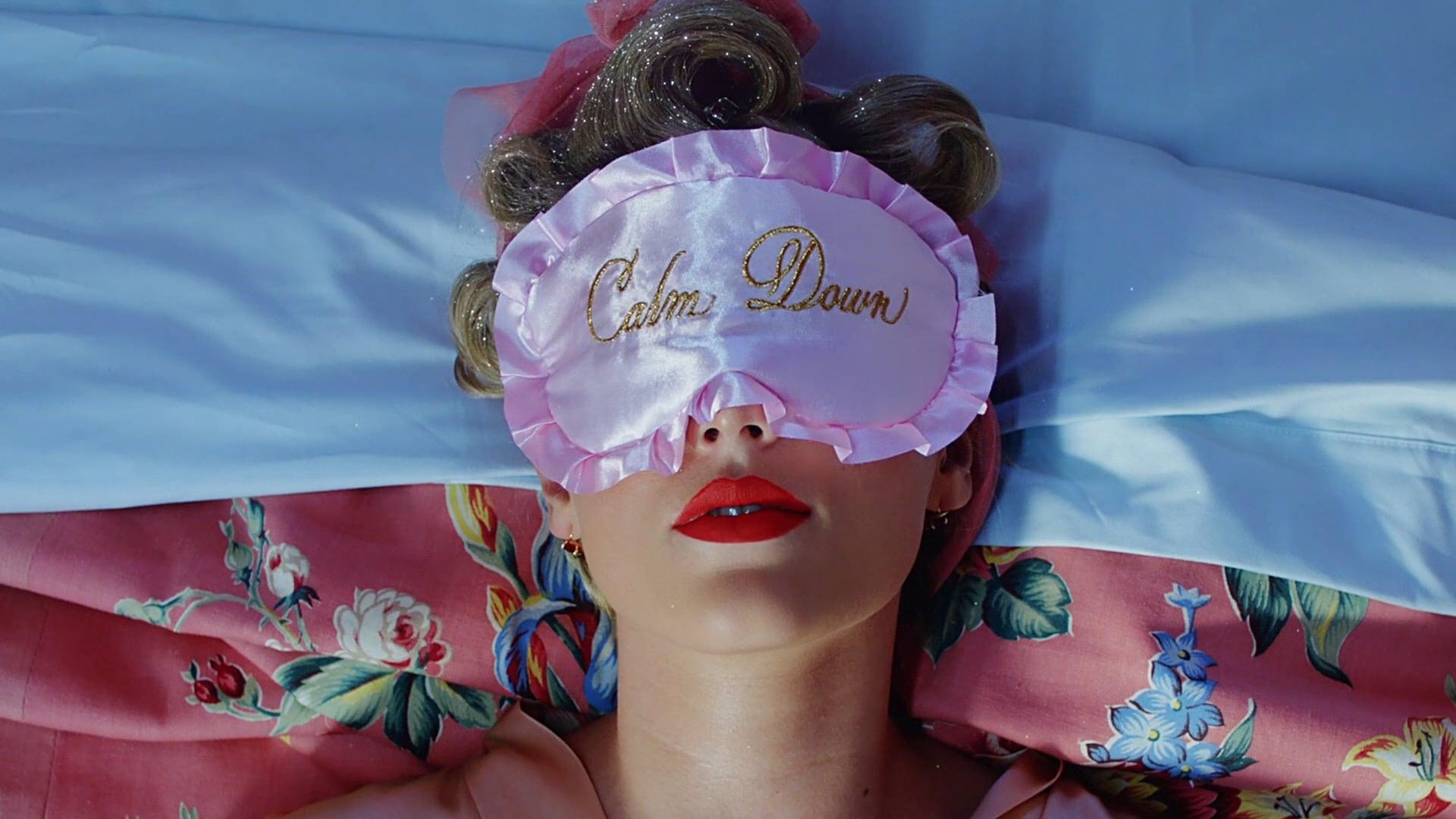
Honestly, the summer of 2019 feels like a fever dream now. We were all wearing tie-dye, obsession over the "Lover" house was at an all-time high, and then Taylor Swift dropped a neon-soaked bomb called You Need to Calm Down.
It wasn't just another catchy hook. It was a line in the sand.
For years, people—mostly critics and the perpetually online—begged Taylor to "get political." They wanted her to say something, anything, about the state of the world. Then she did. She didn't just whisper it; she shouted it in technicolor with a music video featuring basically every queer icon on the planet. But here is the thing: even years later, the conversation around this song is still kinda messy. Some call it the ultimate ally anthem. Others? Well, they have thoughts about how she handled it.
The Conversation That Sparked the Fire
You’ve probably heard the story about the "gay son" comment. If not, here’s the tea. Taylor actually admitted that the catalyst for the song was a conversation with a friend. They asked her what she would do if she had a gay son. Taylor’s response was immediate and supportive, but it hit her like a ton of bricks—she realized she hadn't been clear enough about where she stood.
She felt dismayed. She realized that by staying silent to "protect" her career or stay out of the fray, she was leaving room for doubt. You Need to Calm Down was the result of that realization.
It’s a weirdly structured song if you really look at it. The first verse is all about her own haters—the people tweeting at 7 a.m., the trolls who spend way too much energy on her life. It’s classic Taylor. But then, the second verse pivots hard. Suddenly, she’s at a Pride parade, telling homophobes that "shade never made anybody less gay."
It was a risky move. Some felt like she was equating her "celebrity problems" with the systemic oppression of the LGBTQ+ community. But for a lot of fans, especially those in the South or from conservative backgrounds, hearing the biggest star in the world use her platform like that? It felt like a shield.
Breaking Down the Music Video Chaos
If the song was a statement, the music video was a full-on gala. It’s impossible to watch it just once and catch everything. You’ve got the Queer Eye Fab Five having a tea party. You’ve got Laverne Cox looking like a literal goddess. Billy Porter. Adam Rippon serving snow cones. It was a massive flex of her social circle and her intentions.
- The Katy Perry Hug: This was the "peace at last" moment. Dressed as a burger and fries, Taylor and Katy ended years of "Bad Blood" in the middle of a food fight. It was campy. It was ridiculous. It worked.
- The Drag Queens: Having drag legends like Trinity the Tuck and Adore Delano impersonate pop stars (including Taylor herself) was a genius nod to the community's influence on pop culture.
- The Petition: Most artists end a video with a logo. Taylor ended hers with a call to action. She pointed everyone toward a Change.org petition for the Equality Act.
That petition actually meant something. It racked up over 500,000 signatures. GLAAD reported a massive "influx" of donations, many in the amount of $13, because Swifties are nothing if not predictable with their Easter eggs.
Why Some People Still Give It the Side-Eye
We have to be real here: the song isn't without its critics. One of the biggest complaints—and it's a valid one—is how the video portrays the "haters."
The anti-LGBTQ protestors are shown as unkempt, toothless, and "uneducated" caricatures. Critics like those at The Independent and Frieze pointed out that this kinda feels like "poor-shaming." It suggests that homophobia is only a problem for the rural working class, which we know isn't true. Homophobia lives in high-rise offices and ivy-league schools just as much as it does in trailer parks. By making the villains look like "rednecks," the video missed a chance to point out that the real "dark ages" mentality often wears a suit and tie.
Also, the "pinkwashing" debate. People always wonder if celebrities are just using Pride to sell records. But Taylor didn't just drop the song and vanish. She put her money where her mouth was with a massive donation to the Tennessee Equality Project to fight the "Slate of Hate" bills. She also donated to GLAAD during Pride month. It’s hard to call it "just for show" when there’s a six-figure check attached to it.
The 2026 Perspective: Does It Still Hold Up?
Looking back from 2026, You Need to Calm Down feels like a time capsule. It represents the moment Taylor Swift stopped trying to please everyone.
She knew she would lose fans. She knew people in the country music world (where she started) might turn their backs on her. She did it anyway. The song peaked at #2 on the Billboard Hot 100, only held back by "Old Town Road" (which, let's be honest, nothing was beating that year).
Is it her most poetic work? Probably not. "All Too Well" it is not. It’s a bright, bouncy, synth-pop bop with some very literal lyrics. But sometimes, "literal" is what's needed. When she sings "We all got crowns," she’s not trying to be Shakespeare. She’s trying to be a cheerleader for people who are tired of being yelled at.
What You Can Actually Do With This
If you’re a fan or just someone interested in the intersection of pop and politics, there are a few ways to engage with the legacy of this track beyond just streaming it:
- Check the status of the Equality Act. The fight Taylor started with that petition is still ongoing in various forms. See what your local representatives are saying about non-discrimination laws.
- Support GLAAD or local LGBTQ+ orgs. Follow Taylor's lead and look into the Tennessee Equality Project or similar groups in your own state. They often need the help more than the national giants.
- Watch the "Miss Americana" documentary. If you want to see the behind-the-scenes stress of Taylor deciding to go public with her beliefs, the scenes surrounding this era are eye-opening. You see the literal fear in her eyes when she talks to her dad about it.
Taylor Swift's You Need to Calm Down might be a bit "cringe" to some, but it was a catalyst. It pushed the needle on what we expect from "apolitical" stars. It taught a lot of people that "neutrality" is often just a choice to side with the status quo.
Next time you hear that "Oh-oh, oh-oh, oh-oh" intro, remember it wasn't just a song. It was a very loud, very expensive, and very successful way of telling the world that the "dark ages" are over.



