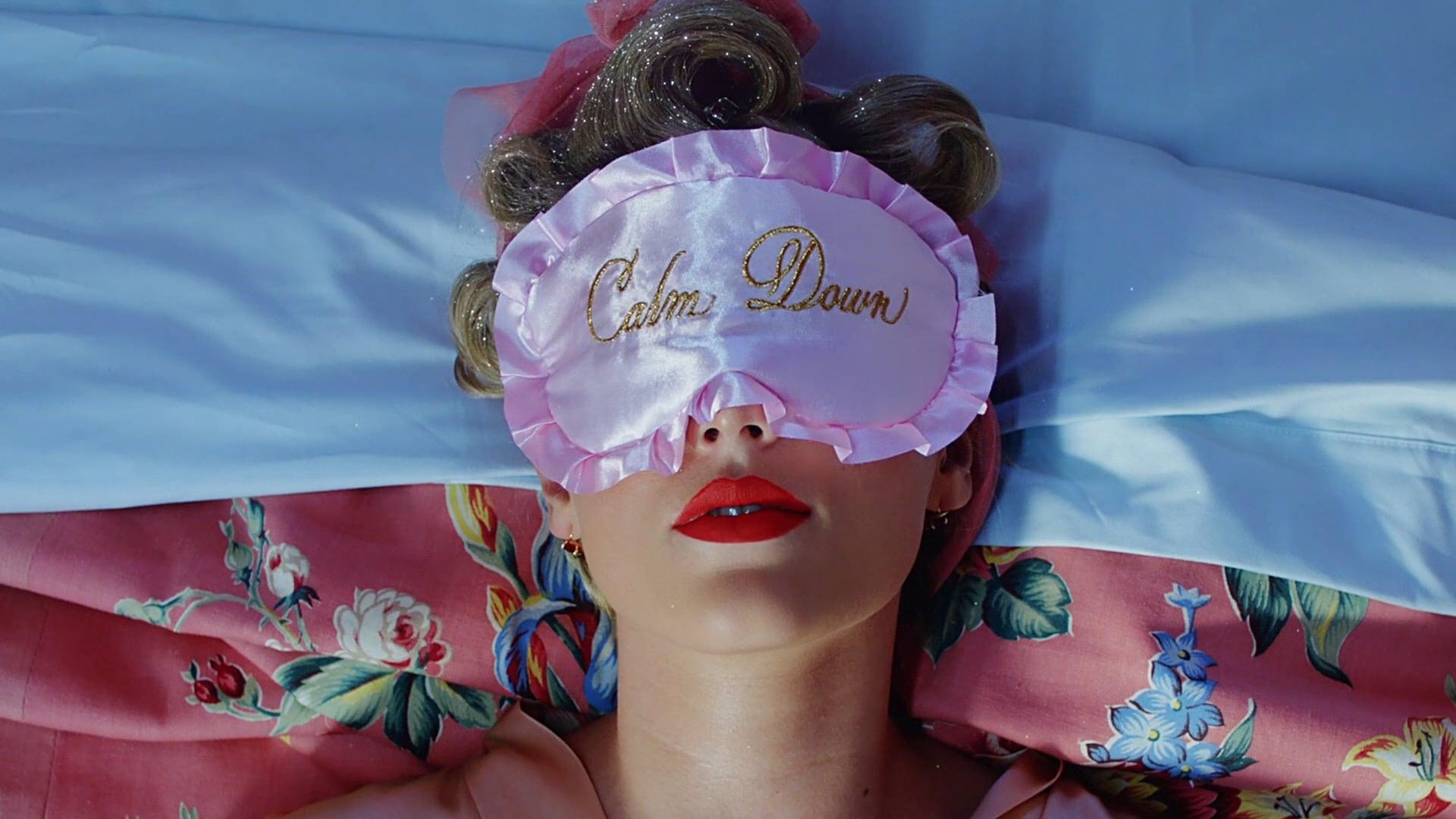
It was the summer of 2019. Pride Month was in full swing, and the air felt heavy with the kind of political tension that only seems to escalate in the social media era. Then, Taylor Swift dropped a colorful, candy-coated bomb. You Need to Calm Down wasn't just another catchy synth-pop track from her Lover era; it was a loud, unapologetic statement that signaled a permanent shift in her career. For years, critics hammered her for being "calculated" or "too quiet" on social issues. This song was her answer. It was blunt.
Think back to the "Old Taylor" days. She was the country darling who stayed out of the fray. But by the time she was sitting in a trailer park in a faux-fur coat for the music video, that version of her was long gone. The song targets two very different groups: the internet trolls who spend their days nitpicking women's lives and the genuine bigots who oppose LGBTQ+ rights. It's a weirdly effective mix of personal grievance and social activism.
The Politics of the Taylor Swift "Calm Down" Era
People often forget how much of a risk this felt like at the time for her brand. Swift had spent a decade cultivating a fan base that included a massive swath of conservative middle America. When she released You Need to Calm Down, she wasn't just singing about her own haters anymore. She was specifically calling out the protesters she saw at rallies with "picket signs" and telling them they were being "too loud."
Basically, she took the "haters gonna hate" mantra from Shake It Off and gave it a political backbone.
The lyrics are actually pretty clever if you look at the structure. She starts with the personal—the "snakes" and the late-night Twitter trolls—and then pivots to the systemic. The line "shade never made anybody less gay" became an instant classic. It’s simple. It’s punchy. It’s the kind of thing you can put on a t-shirt, which, honestly, is exactly what happened.
That Music Video and the Katy Perry Reunion
If the song was the message, the music video was the exclamation point. It was a neon-drenched fever dream featuring basically every queer icon working in Hollywood at the time. We’re talking the cast of Queer Eye, Laverne Cox, Billy Porter, RuPaul, and Ellen DeGeneres. It felt less like a music video and more like a massive party that everyone was invited to—except the people with the picket signs.
The real kicker? The ending.
After years of "feud" rumors and "Bad Blood" headlines, Taylor Swift and Katy Perry appeared on screen together. One dressed as a burger, the other as french fries. It was ridiculous. It was camp. But it served a massive point regarding the song's theme. The media loves to pit successful women against each other. By "calming down" and hugging it out, they effectively killed a narrative that had lasted for half a decade.
It showed that the "calm down" instruction wasn't just for the homophobes; it was for the gossip industry too.
Why the Equality Act Matters
Taylor didn't just leave the message in the lyrics. At the end of the video, a call to action appeared on the screen. She urged fans to sign a petition supporting the Equality Act. This wasn't just performative; it had real-world legs.
According to reports from GLAAD at the time, the organization saw a massive spike in donations in the amount of $13 (Swift's lucky number) immediately following the song’s release. The petition itself garnered hundreds of thousands of signatures. It was a masterclass in how to use a "pop moment" to drive civic engagement. Even if you aren't a "Swiftie," you have to respect the logistics of that kind of influence.
Handling the "Performative" Criticism
Not everyone loved it. Honestly, no one is ever 100% happy with Taylor Swift. Some activists felt the song was a bit "Pride-lite"—that it simplified a very complex, dangerous struggle into a catchy pop hook. There's a valid argument there. Can a billionaire pop star truly represent the struggles of a marginalized community by wearing a rainbow wig in a high-budget video?
Swift seemed aware of this nuance. In her documentary Miss Americana, she talked about her regret for not speaking up sooner. She admitted she was terrified of being the next Dixie Chicks (now The Chicks).
The song represents her "de-programming" from the idea that she had to be a "polite girl" who didn't ruffle feathers. So, while the song is bright and bubbly, it actually came from a place of genuine frustration and a desire to make up for lost time.
Why "You Need to Calm Down" Still Hits in 2026
It’s been years, but the song hasn't aged into irrelevance. If anything, the "outrage economy" has only gotten worse. We live in a world of 24-hour discourse cycles. Everyone is constantly screaming. Swift’s advice to "take several seats" is arguably more relevant now than it was in 2019.
The song serves as a time capsule for a specific moment in pop culture when the biggest star in the world decided she was done being neutral. It paved the way for the more introspective, political songwriting we saw on Folklore and Evermore. It was the bridge between her being a "product" and being a "person" with opinions.
How to Apply the "Calm Down" Philosophy
If you're looking to channel this energy into your own life or digital presence, consider these steps:
- Audit your "Outrage Meter": Before engaging with a troll or a negative comment, ask if your response will actually change anything. Most of the time, "shade never made anybody less" of whatever you're arguing about.
- Support via Action, Not Just Posts: If you care about a cause, follow Taylor's lead by linking to tangible actions. Sign a petition, donate $13 (or whatever you can afford), or volunteer.
- Disrupt the Narrative: If you find yourself in a "feud" or a competitive cycle with a peer, consider the "Burger and Fries" approach. Sometimes, the most powerful thing you can do is refuse to be an enemy.
- Use Your Platform Bravely: Even if you only have 100 followers, your voice matters. Don't be afraid to be "too loud" for the right reasons.
The legacy of this track isn't just the Grammys or the VMA awards it won. It's the fact that a pop song actually moved the needle on a piece of legislation and forced a conversation about the difference between valid criticism and mindless hate. Sometimes, the best way to handle the noise is to just tell everyone to settle down and be kind.
Check the status of the Equality Act or similar local legislation in your area to see where the conversation stands today. Understanding the legal landscape is the first step toward meaningful advocacy. Support local LGBTQ+ centers that provide direct services to those who don't have the luxury of "calming down" in the face of discrimination.



