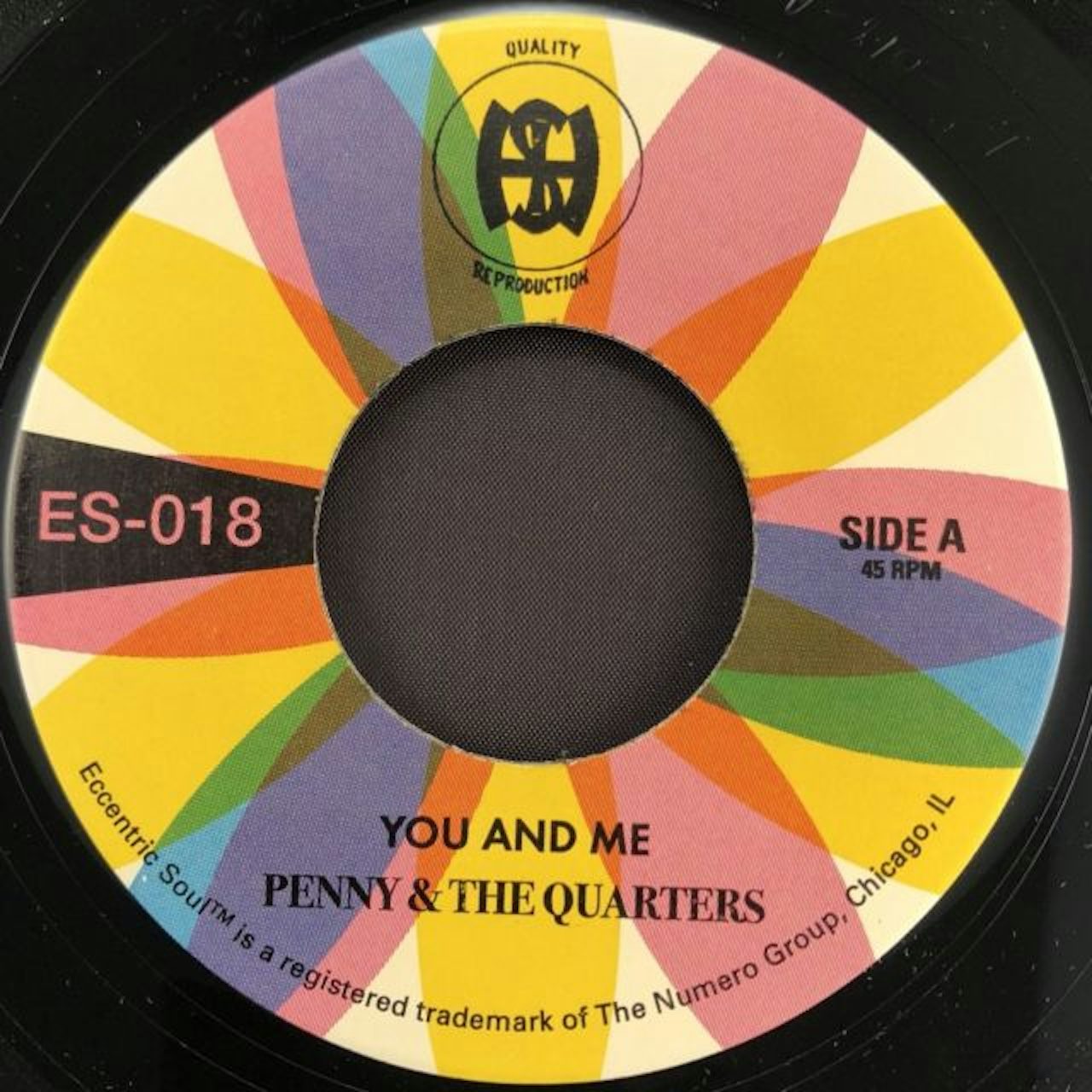
Sometimes a song just happens. No marketing budget, no big-name producer, no TikTok dance challenge—just a fluke. If you’ve seen the movie Blue Valentine, you know the track. It’s that scratchy, soulful, lo-fi duet that sounds like it was recorded in a kitchen in 1970. Because, honestly, it basically was.
You & Me by Penny and the Quarters isn’t your typical Billboard hit. For nearly forty years, this song sat in a box. It wasn't on the radio. It wasn't in record stores. It was a "lost" demo, a ghost of a recording that only survived because a guy named Bill Moss kept a stash of tapes in his Columbus, Ohio, basement.
The story of how this song went from a dusty reel-to-reel to a wedding staple is actually kind of insane. It involves a tragic indie film, a boutique record label, and a group of teenagers who didn't even know they were "famous" until decades after the fact.
The Basement Tapes of Columbus, Ohio
Back in the late 1960s and early 70s, Bill Moss ran a small label called Capsoul. He was trying to capture the "Columbus Sound." It was raw. It was local. He had this group called the Quarters, which was basically three brothers—Jay, Reigels, and Kevin Quivers. They were young. They were talented. And they had a friend named Nannie "Penny" Sharpe.
One afternoon, they sat down to record a few demos. They weren't even finished songs. They were just trying things out. One of those tracks was a simple, repetitive, incredibly moving song about a "you and me" against the world.
There was no professional mixing. The balance is all wrong. You can hear the room. You can hear the vulnerability. But for whatever reason, Capsoul never released it. The label eventually went under, the tapes were packed away, and the Quivers brothers and Penny Sharpe went on with their lives. They worked normal jobs. They grew up. The music was a hobby that had seemingly faded out.
How Ryan Gosling and Blue Valentine Changed Everything
Fast forward to the mid-2000s. A label called Numero Group—bless them for being obsessive crate-diggers—bought a bunch of old Capsoul tapes at an estate sale. They found this untitled track. They didn't even know who was singing. They just labeled it "Penny & the Quarters" because of the names scribbled on the box.
Then comes Derek Cianfrance.
Cianfrance was directing Blue Valentine, a movie that is famously one of the most depressing look at the decay of a relationship ever filmed. He needed a "song" for the main characters, played by Ryan Gosling and Michelle Williams. He didn't want a polished pop song. He wanted something that felt like a private memory.
According to legend, Gosling was the one who actually picked it. He heard the track on a Numero Group compilation and told the director, "This is it."
When the movie came out in 2010, the world lost its mind over the soundtrack. People were Googling "You & Me Penny and the Quarters" like crazy. The problem? Nobody knew who they were. Not even the record label that released the CD.
The Search for Nannie Sharpe
It took a literal public search to find the artists. For a while, there was this weird mystery in the music journalism world. Who is Penny? Are they still alive? Eventually, through a mix of social media sleuthing and local outreach in Ohio, the Quivers family was identified.
Jay Quivers was shocked. He was an older man by then. He had no idea people were listening to a demo he did as a teenager in a basement. Sadly, Nannie "Penny" Sharpe had a bit of a bittersweet realization of her fame late in life, but the discovery allowed the creators to finally get the credit—and the royalties—they deserved for a song that had become a modern standard.
It's a weirdly perfect example of how "vibes" beat production value every time. If that song had been recorded with a full orchestra and perfect pitch correction, it wouldn't have worked. It’s the tape hiss. It’s the way their voices slightly crack. That's the magic.
Why This Song Actually Ranks So High for Couples
If you're looking for a wedding song, you've probably seen this on every Spotify "First Dance" playlist. Why?
- Authenticity. It doesn't sound like it's trying to sell you something.
- Simplicity. The lyrics aren't complex. "You and me... and you and me." It’s a mantra.
- The "Found" Element. People love a story. Knowing the song was lost for 40 years makes it feel more special, like a secret you're sharing with your guests.
Honestly, it's rare to see a song bridge the gap between "obscure soul" and "mainstream romantic" so effortlessly. Usually, "lost" tracks stay in the hands of music nerds who collect 45s. This one broke through because it tapped into a universal feeling of intimacy.
What You Should Know If You're Using the Song
If you're a creator, a filmmaker, or just someone planning an event, there are a few things to keep in mind about You & Me by Penny and the Quarters.
First, the audio quality is notoriously "lo-fi." If you play it on a massive, high-end sound system at a venue, the hiss is going to be very audible. That's not a glitch in your file; that's the master recording. Embrace it. It’s part of the charm.
Second, if you're looking for more music like this, check out the Eccentric Soul series by Numero Group. They've done an incredible job of unearthing other Ohio soul gems that would have otherwise rotted in a damp basement.
Next Steps for Music Lovers:
- Listen to the full Capsoul collection: Don't just stop at Penny. The "Columbus Sound" was a specific moment in soul history that is worth a deep dive.
- Support archival labels: Companies like Numero Group and Light in the Attic are the only reason these stories exist. Buying their physical records helps fund the legal and research work required to find "lost" artists.
- Check the credits: If you’re a musician, let this song be a lesson. Don't overproduce your demos. Sometimes the rawest version of an idea is the one that actually resonates with people decades later.
The legacy of Penny and the Quarters is a reminder that good art doesn't have an expiration date. It might take forty years, a Hollywood movie, and a random estate sale, but the truth eventually comes out. You can't hide a voice like Penny's forever.



