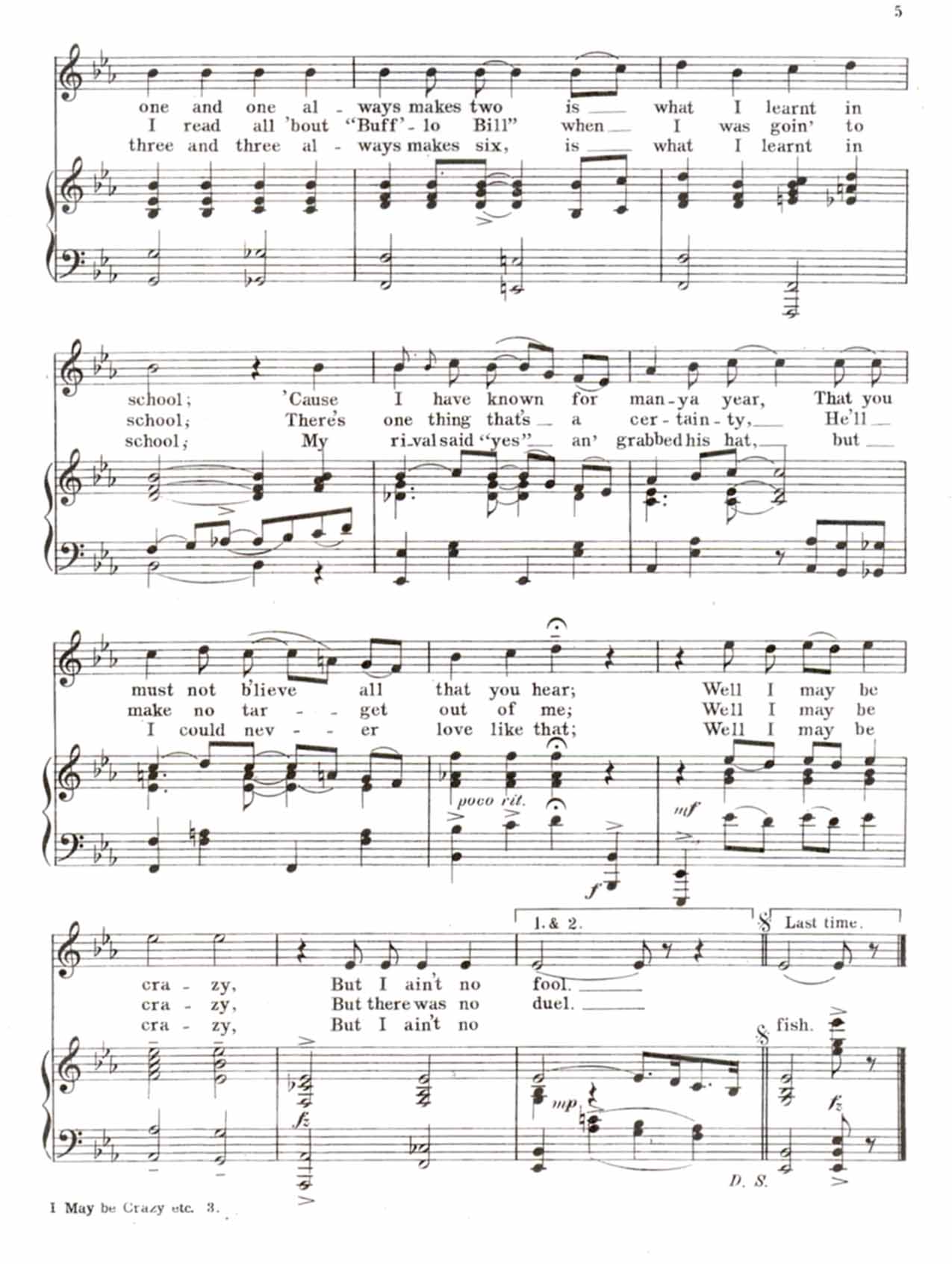
Rock and roll is usually about rebellion, but sometimes it’s just about being an argumentative jerk. It’s 1980. Billy Joel is tired of being the "Piano Man" or the soft-rock balladeer who sang "Just the Way You Are." He wants to be loud. He wants to be crunchy. He wants to address the fact that everyone—critics, girlfriends, the public—seems to think he’s losing his mind. So, he writes a song that basically boils down to a middle finger wrapped in a catchy guitar riff.
You may be right i may be crazy isn't just a lyric; it’s a lifestyle for anyone who has ever been told they’re "too much."
It’s the opening track of Glass Houses. If you look at that album cover, Billy is standing there in a leather jacket, looking like he’s about to hurl a rock through the window of a literal glass house. It was a statement. He was moving away from the jazz-inflected sophistication of The Stranger and 52nd Street and leaning into the New Wave sounds of the late 70s and early 80s. Honestly, it worked. The song climbed the charts because it captured a specific kind of defiant energy that resonates just as well today as it did when Jimmy Carter was in the White House.
The Story Behind the Madness
People forget how much the press hated Billy Joel back then. They called him a lightweight. They called him pretentious. There was this narrative that he was a "manufactured" pop star who didn't have the grit of the burgeoning punk scene or the cool detachment of the Rolling Stones.
Joel didn't take it lying down.
The lyrics of the song are a direct response to a relationship where one person is trying to "fix" or diagnose the other. "You may be right i may be crazy" is his way of saying, "Yeah, I might be nuts, but that’s exactly why you’re here." It’s a toxic dynamic, sure, but it makes for incredible rock music. He mentions specific New York locales like Bedford-Stuyvesant and riding his motorcycle in the rain without a helmet. These weren't just random details. They were markers of his identity. He was a tough kid from Long Island who happened to play the piano really, really well.
The track was recorded at A&R Recording in New York. If you listen closely to the production, it’s remarkably sparse compared to his earlier work. Phil Ramone, the legendary producer, helped Billy strip away the layers. It’s driven by a distorted electric guitar—not a piano. That was a huge risk. Imagine being the guy known for "Captain Jack" and suddenly leading with a chunky, Overdrive-heavy riff. It was his "Electric Dylan" moment, albeit in a more pop-rock context.
Why the "Crazy" Label Still Stings
We live in an era of constant self-diagnosis. You scroll through TikTok or Instagram and you're told you have "main character syndrome" or you're "gaslighting" someone or you're "manic." Back in 1980, the terminology was different, but the social pressure to be "sane" and "balanced" was just as heavy.
Billy Joel flipped the script.
Instead of apologizing for his eccentricities or his outbursts, he leaned into them. "But it just may be a lunatic you're looking for." That’s the hook. It’s an admission that sanity is boring. In the context of the song, "crazy" is a badge of honor. It represents spontaneity, danger, and a refusal to follow the rules of a "proper" suburban life.
There's a specific vocal fry in Billy's voice during the bridge. He sounds strained. He sounds like he’s been shouting. It adds a layer of authenticity that you don't find in modern, pitch-corrected pop. You can feel the frustration. You can feel the sweat. It's a performance that demands your attention, whether you like the guy or not.
Breaking Down the Musicality (Without the Boring Stuff)
You don't need a music theory degree to know why this song bangs, but a few things make it stand out.
- The Tempo: It’s at a perfect "driving" tempo. Roughly 150 beats per minute. It’s fast enough to get your heart rate up but slow enough that you can still scream the lyrics while stuck in traffic on the Long Island Expressway.
- The Sax Solo: Richie Cannata. The man is a legend. The saxophone solo in this song isn't smooth jazz; it’s screaming. It mimics the vocal melody but adds this chaotic, frenetic energy that reinforces the "crazy" theme.
- The Ending: It doesn't fade out gently. It ends with Billy shouting "You may be right!" over and over until it feels like he’s actually in the room with you, pointing a finger.
Most people think of Billy Joel as a balladeer. They think of "Honesty" or "She's Got a Way." But if you want to understand the real Billy Joel—the one who got into fights and rode motorcycles and sued his managers—you have to listen to the Glass Houses era. It’s the sound of a man who stopped caring about being liked and started caring about being heard.
The Cultural Footprint: From 1980 to the 2020s
You've probably heard this song in a dozen movies or TV shows. It's the go-to anthem for any scene involving a character having a breakdown or doing something reckless. But its impact goes deeper than just a sync license.
It paved the way for other artists to embrace their "difficult" reputations. Think about the way artists like Pink or even modern rappers lean into their "craziness" as a selling point. Billy was one of the first mainstream pop-rockers to turn a negative personality trait into a marketing campaign.
Critics at Rolling Stone weren't kind at the time. Dave Marsh, a famous critic of that era, was notoriously hard on Joel. But the fans? They bought millions of copies. Glass Houses won the Grammy for Best Rock Vocal Performance, Male. It was a vindication. The very people Billy was yelling at in the song—the ones telling him he was doing it wrong—were the ones who ended up handing him the trophies.
Is the Song Actually About Mental Health?
Honestly? Probably not in the clinical sense.
In the late 70s, "crazy" was a colloquialism. It meant you were wild. It meant you didn't fit in. Today, we might read the lyrics and think about bipolar disorder or clinical mania, but for Joel, it was a metaphor for his creative process and his public persona. He was "crazy" for trying to be a rock star. He was "crazy" for changing his sound.
There is a vulnerability hidden in the aggression, though. When he says, "I've been stranded in the combat zone," he's talking about the pressures of fame. He's talking about the feeling of being hunted by expectations. It's a defensive song because he felt he had to defend his right to exist on his own terms.
What You Can Learn from Billy's "Madness"
There is a weirdly practical lesson in you may be right i may be crazy. It’s about owning your narrative.
If someone labels you as something, you have two choices. You can try to prove them wrong, which is exhausting and usually fails. Or, you can take that label, wear it like a suit of armor, and throw it back in their face. Billy Joel chose the latter. He stopped trying to be the "nice guy" of pop and became the "crazy" guy of rock.
The result? One of the best-selling albums of all time and a song that still fills stadiums forty years later.
If you're feeling like the world is closing in or like people are trying to put you in a box, put this track on. Turn it up. Notice how the drums kick in right at the start. Notice how he doesn't apologize once during the entire four minutes and twelve seconds.
Actionable Takeaways for Your Playlist and Your Life
- Stop Defending, Start Emphasizing: If someone criticizes a core part of your personality, stop trying to change it to please them. Use that energy to double down on what makes you unique.
- The Power of the Pivot: Billy Joel was successful with ballads, but he pivoted to rock when he felt the need. Don't be afraid to change your "brand" if it no longer fits who you are.
- Listen to the Full Album: Don't just stream the hit. Listen to Glass Houses from start to finish. Songs like "All for Leyna" and "Sleeping with the Television On" provide the context for the "crazy" persona.
- Embrace the "Combat Zone": Sometimes, conflict is where the best work happens. Don't shy away from being the "lunatic" in the room if it means getting your point across.
Billy Joel might have been "crazy," but he was also smart. He knew that a little bit of madness is exactly what people want to hear when the world gets too quiet. He wasn't looking for a cure; he was looking for a crowd. And he found one.



