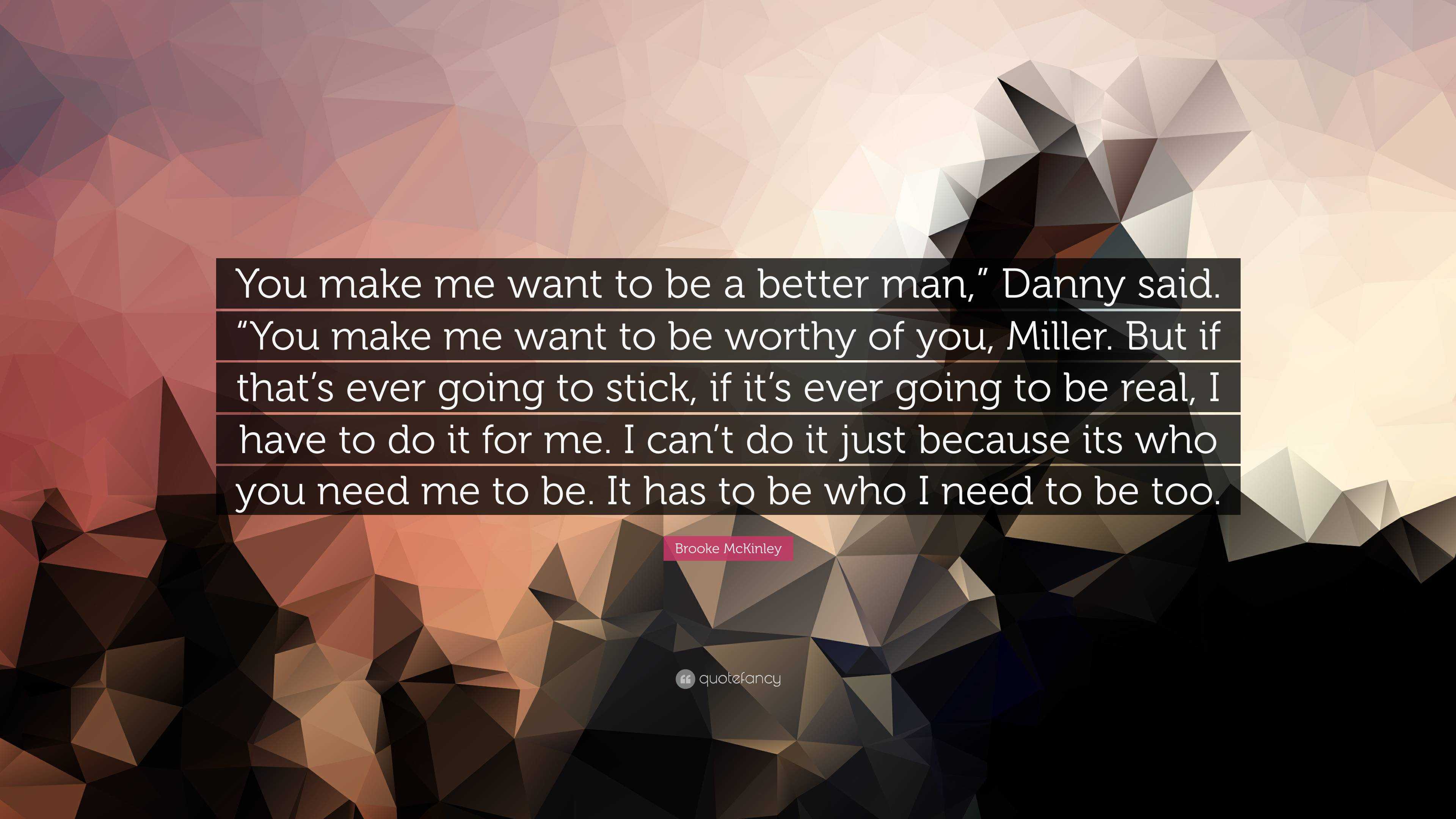
It is a line that shouldn't have worked. Jack Nicholson—playing Melvin Udall, a man so plagued by Obsessive-Compulsive Disorder and sheer, unadulterated bitterness that he insults everyone in his path—sits across from Helen Hunt in a restaurant. He’s awkward. He’s offensive. Then, he drops the hammer: "You make me want to be a better man."
The year was 1997. As Good as It Gets became a cultural juggernaut, not because of high-octane action, but because it captured a raw, terrifyingly relatable truth about human connection.
Sometimes, we aren't enough for ourselves. We need a mirror.
The Messy Reality Behind the Script
James L. Brooks didn't write a fluff piece. Honestly, if you watch the film today, Melvin Udall is a nightmare. He’s racist, homophobic, and sexist. He steps on cracks in the sidewalk and eats with his own plastic silverware because the world feels contaminated. But the genius of the writing lies in the fact that Carol (Helen Hunt) doesn't "fix" him.
She just demands better.
There is a common misconception that romantic love is supposed to be unconditional. That's actually kinda toxic if you think about it. If someone loves you unconditionally while you’re being a jerk, where is the incentive to grow? The power of you make me want to be a better man is that it acknowledges a deficit. Melvin knows he’s a wreck. He knows his soul is cramped and dusty. Seeing Carol—a single mother struggling with a chronically ill son—forces him to realize that his brand of misery is a luxury he can no longer afford if he wants to be near her.
Why This Specific Phrase Stuck
Movies are full of "I love yous." They’re a dime a dozen. But "better man" implies work. It implies a sweat-equity version of romance.
Psychologically, this taps into what researchers often call the "Michelangelo Phenomenon." This isn't about the ninja turtle; it's a concept in social psychology where partners "sculpt" each other. Just as Michelangelo claimed he saw the statue inside the block of marble and merely chipped away the excess, a great partner sees the "ideal self" in their significant other.
When Melvin says that line, he’s admitting he sees the marble. He sees the version of himself that isn't a total recluse.
The script, co-written by Mark Andrus, went through various iterations. They needed a way to bridge the gap between Melvin’s clinical diagnosis (OCD) and his personality flaws. The line serves as the bridge. It’s the moment the audience realizes his neuroses aren't his whole identity.
He’s choosing to take his medication. Not because he was told to, but because he wants to be "better" for someone else.
It Isn't Just About Romance
We often pigeonhole this sentiment into the "boyfriend" category. That’s a mistake.
Think about your own life. Have you ever had a boss who was so competent and fair that you found yourself staying late just to make sure your work met their standard? Or a kid who looks at you with so much trust that you suddenly feel the urge to quit a bad habit?
It’s about accountability.
In the film, the relationship between Melvin and his neighbor Simon (played by Greg Kinnear) is just as vital. Simon, an artist who has lost everything, provides the friction Melvin needs. The phrase you make me want to be a better man might be directed at Carol, but the transformation is fueled by the entire ensemble. It's a community effort to drag one man out of his own head.
The Controversy of the "Man-Fixing" Trope
Some critics argue that this narrative puts too much pressure on women.
It’s a valid point.
The "Man-Child" or the "Grumpy Hermit" shouldn't rely on a woman’s labor to become a functioning human. If you look at the 2026 lens of cinematic critique, we’re much more sensitive to the idea of emotional labor. Does Carol owe Melvin her patience? No. Does she provide it? Yes, but only when he shows he's actually doing the work.
The distinction is crucial. Melvin starts taking his pills. He pays for her son's medical care (in a move that is admittedly a bit "rich guy ex machina," but it works for the plot). He travels. He engages.
He isn't asking her to fix him; he’s telling her she is the reason he is fixing himself.
Psychological Weight: Why We Repeat It
We love a redemption arc. It’s baked into our DNA. From Ebenezer Scrooge to Tony Stark, the idea that a person can pivot from "unbearable" to "noble" gives us hope for our own flaws.
The phrase has been parodied, whispered in wedding vows, and written in countless anniversary cards. It works because it’s humble. "I love you" is a statement of feeling. "You make me want to be a better man" is a statement of intent.
The Anatomy of the Scene
If you watch the scene closely, the pacing is erratic. Jack Nicholson is twitchy. Helen Hunt is exhausted. They are sitting in a booth that feels too small.
- The Setup: Melvin starts by insulting her. He can’t help it.
- The Pivot: He realizes he’s blowing it.
- The Line: He delivers it with a sort of disgusted honesty, like he’s annoyed that he feels this way.
- The Reaction: Carol doesn't swoon. She asks him to repeat it. She needs to hear the vulnerability again because it’s so out of character.
That’s how real life works. Change isn't a montage with upbeat music. It’s a series of awkward, stuttering admissions in dimly lit diners.
Real-World Impact and Actionable Growth
If you find yourself identifying with this sentiment—feeling like you need to level up because of someone in your life—here is how you actually handle it without being a burden.
1. Identify the "Better." Don't just be "better" in a vague sense. Melvin focused on his health and his empathy. Are you trying to be more patient? More financially stable? More present? Pick a metric.
2. Don't make them your therapist. The biggest mistake people make after saying a line like this is expecting their partner to lead the way. If you want to be better, hire a coach, see a doctor, or start the habit yourself. The inspiration is theirs; the work is yours.
3. Acknowledge the "As Is" state. Melvin knew he was a jerk. You have to be honest about your starting point. If you’re pretending you’re already great, the "better man" line just sounds like empty flattery.
4. Watch for the burnout. Inspiration is a spark, not a fuel. Eventually, the desire to be "better" has to transition from being about them to being about you. If you only do it for them, you’ll resent them the moment the relationship hits a rough patch.
As Good as It Gets didn't end with a wedding. It ended with two people walking to a bakery in the early morning. They were still flawed. Melvin still had OCD. Carol still had a complicated life. But they were moving.
That’s the point.
The phrase you make me want to be a better man isn't a destination. It’s an engine. It’s the thing that gets you out of bed when your own self-interest isn't enough to do the trick. It’s arguably the most honest thing a person can say to another, provided they actually mean to put in the hours.



