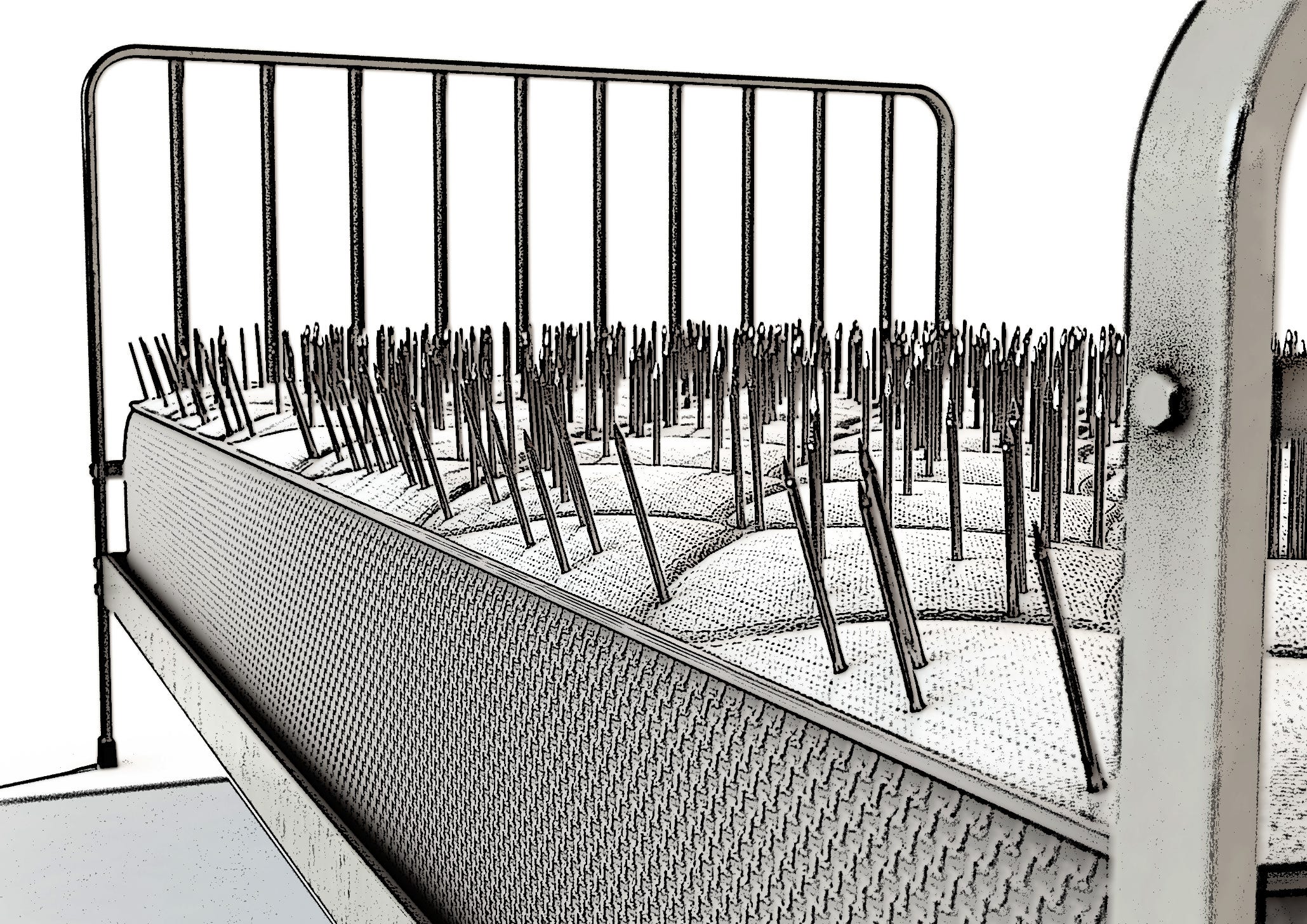
Life has a funny way of catching up to us. You know the feeling—that sinking realization in your gut when a decision you made six months ago finally blows up in your face. It's usually at that exact moment some well-meaning (or totally smug) person drops the hammer: "Well, you made your bed now lie in it."
It feels like a slap. Honestly, it’s one of those idioms that sounds less like advice and more like a sentence handed down by a judge. But if we strip away the snark, there is a profound, almost primal psychological truth buried in those seven words. It’s about the terrifying, liberating reality of personal agency.
The phrase hasn't changed much since the 1500s. Back then, it was closer to "as you make your bed, so you must lie on it." It’s ancient. It’s gritty. And in a world where we’re constantly looking for someone or something else to blame—the algorithm, our boss, the economy—this proverb forces us to look at our own hands.
Where did "made your bed now lie in it" even come from?
We can track the roots of this saying back to the French, specifically the work of Gabriel Meurier in the 16th century. He wrote Commune parler, a collection of common sayings, where he noted "Comme on faict son lict, on le treuve." Basically: as one makes their bed, one finds it.
It’s tactile. Think about it. If you throw your blankets in a heap and leave the sheets crumpled at the foot of the mattress, your sleep is going to be terrible. You'll be cold. You'll be uncomfortable. You’re the one who has to deal with the lumps.
By the time the phrase migrated fully into English, it became a staple of moralistic literature. It was used to remind people that their choices—especially the bad ones—had a permanent residence in their lives. It wasn’t just about beds; it was about marriages, business deals, and legal troubles. If you chose a path, you owned the destination.
The shift from physical to psychological
In modern therapy circles, experts like Dr. Henry Cloud, co-author of the famous book Boundaries, talk about the "Law of Sowing and Reaping." It’s the same thing. If you sow neglect in a relationship, you reap distance. While "made your bed now lie in it" feels more punitive, it’s describing the exact same universal law of cause and effect.
The psychology of living with your choices
Why does this phrase sting so much?
Ego.
Most of us have a "self-serving bias." This is a documented psychological phenomenon where we attribute our successes to our own skills but blame our failures on external factors. If you get a promotion, it's because you're a genius. If you get fired, it's because your boss is a jerk.
When someone tells you to lie in the bed you made, they are forcefully popping that bias. They are pointing out that you were the architect of the current mess.
There’s a concept in psychology called the Internal Locus of Control. People with a strong internal locus believe they are responsible for their own success. They’re the ones who realize that if the bed is lumpy, they can learn to make it better next time. Conversely, those with an external locus feel like victims of fate.
"You made your bed" is a call to move from an external locus to an internal one. It’s harsh, but it’s the only way to grow.
Real world examples: From boardroom to bedroom
Let’s get specific.
Take a business owner who ignores the fine print on a high-interest loan because they want quick cash for a flashy office. Two years later, the interest rates spike, and the business is underwater. They complain about "predatory lending." While that might be true, their peers might quietly think, you made your bed now lie in it. You chose the shortcut over the sustainable path.
Or consider a relationship dynamic.
- You never set boundaries with an overbearing relative.
- You let them show up unannounced for years.
- Now, you're stressed and resentful every weekend.
You built that dynamic. You made that bed. Now, you’re the one who has to sleep in the chaos of those unmanaged expectations.
It also pops up in the world of high-stakes celebrity scandals. We see it in the downfall of public figures who built careers on "moral superiority" only to be caught in deep hypocrisy. When the public turns on them, the sentiment is almost always: you created this environment of judgment, and now you have to live within it.
Is it ever "unfair" to use this phrase?
Sometimes.
Context matters. If you’re telling a victim of a systemic issue—like a sudden economic crash or a natural disaster—that they made their bed, you’re not being a "truth-teller." You’re just being a jerk.
True "bed-making" requires two things:
- Informed Consent: You knew the risks or should have known them.
- Autonomy: You had the power to choose differently.
If you didn't have the power to choose, the proverb doesn't apply. It’s important to distinguish between "consequences of my actions" and "unfortunate things that happened to me."
The secret upside of lying in your bed
Here is what most people get wrong. They think "lying in it" is a punishment. It’s actually a classroom.
If you refuse to lie in the bed you made—if you constantly run away, blame others, or find ways to "exit" the consequences—you never learn how to make a better bed. You just keep making the same lumpy, uncomfortable mess over and over again in different houses.
Lying in it means sitting with the discomfort. It means feeling the full weight of your mistake.
- It builds resilience.
- It fosters humility.
- It sharpens your decision-making for the future.
There is a certain kind of peace that comes with saying, "Yeah, I messed this up. This is my mess. I own it." That ownership is the first step toward change. You can't fix a bed you pretend you didn't make.
How to move forward when the bed is uncomfortable
If you find yourself in a situation where your past choices have created a present reality you hate, don't just lay there and suffer forever. Use these steps to navigate the "lying in it" phase with some dignity.
Acknowledge the specific actions. Don't say "things just went south." Be precise. "I chose to prioritize my ego over the facts." Or, "I didn't speak up when I saw the red flags."
Stop the "Blame Leak." When you feel the urge to mention how someone else contributed, stop. Even if they did contribute 10%, focus on your 90%. This isn't about being a martyr; it's about reclaiming your power. If you own the mistake, you own the solution.
Set a "Lease" on the Discomfort. You have to lie in the bed, but you don't have to stay there until you die. Decide what "paying the price" looks like. Is it six months of budgeting? Is it a difficult apology tour? Once you've fulfilled the consequences, you’re allowed to get up and make a new bed.
Study the "Lumps." What exactly went wrong? Was it a lack of research? Emotional impulsivity? Fear of conflict? Identify the "lump" so you don't weave it into the next mattress you buy.
Final insights on accountability
The phrase made your bed now lie in it isn't about hopelessness. It’s about the gravity of life. It reminds us that our minutes, hours, and days aren't just disappearing into the void—they are stacking up to create our environment.
If you don't like where you are, look at your hands. Look at the sheets.
Actionable Takeaways for Personal Accountability:
- Conduct a "Choice Audit": Look at your three biggest stressors right now. Trace them back to a specific decision you made.
- Practice Radical Ownership: For one week, avoid blaming any external factor for a mistake. See how it changes your sense of control.
- Forgive, then Rebuild: Once you’ve accepted the consequences, stop self-flagellating. The goal of "lying in the bed" is to learn, not to rot.
- Update your "Bed-Making" process: Slow down. Before making a major commitment, ask: "Am I going to be okay sleeping in this choice for the next five years?"
Owning your mess is the most "adult" thing you can do. It's not fun, and it's definitely not comfortable, but it's the only way to ensure the next bed you make is one you actually want to sleep in.



