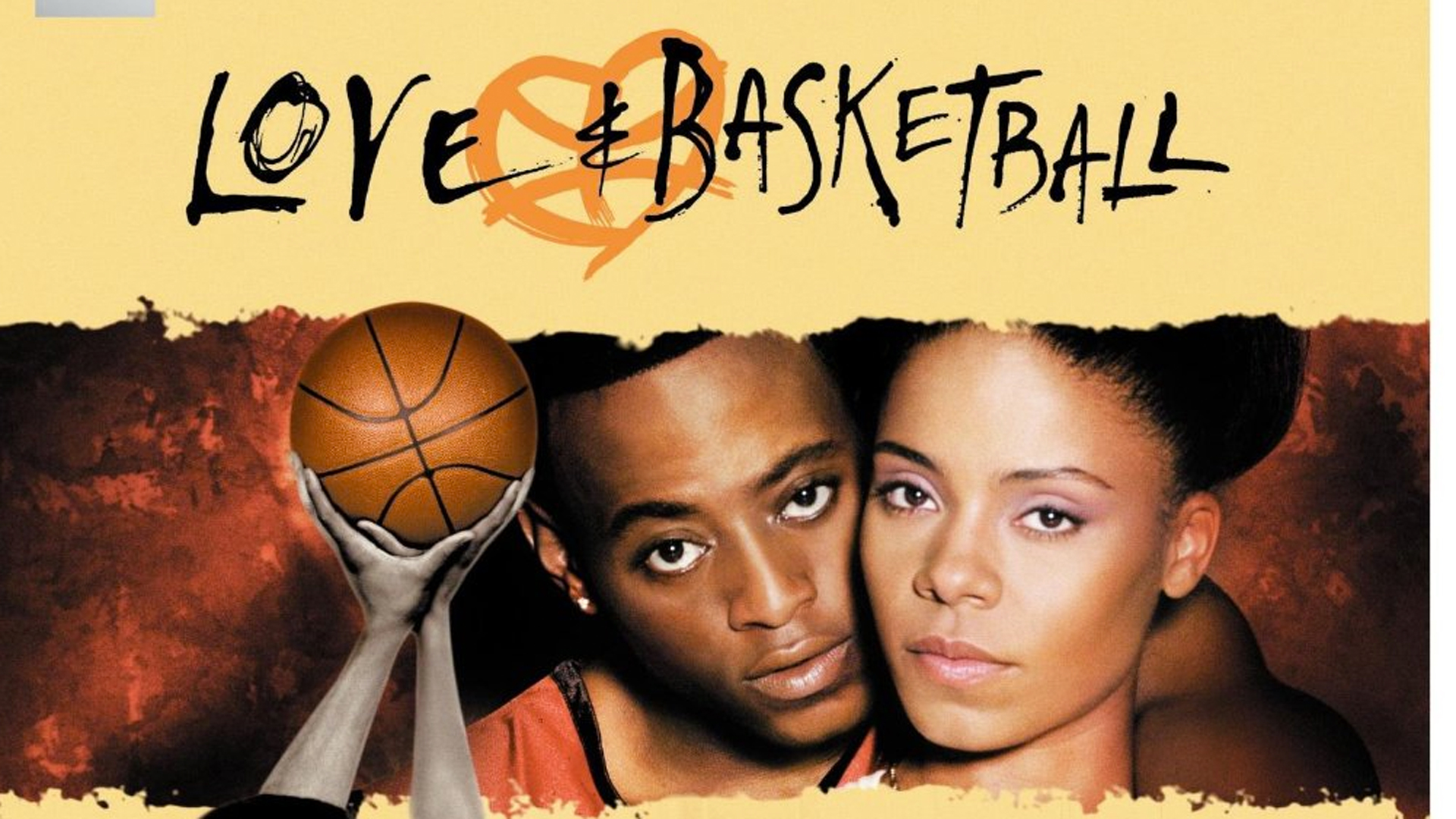
It is the scene everyone remembers. Even twenty-plus years after Gina Prince-Bythewood’s Love & Basketball hit theaters in 2000, that specific moment in the garden—or more accurately, on the driveway—remains a cultural touchstone for anyone who has ever felt the sting of a public rejection. When Sanaa Lathan’s character, Monica Wright, stands there watching Quincy McCall (Omar Epps) treat her like a stranger, the line you made a fool of me doesn't just hang in the air; it anchors the entire emotional weight of the film's second act.
People talk about this movie like it’s just a sports flick. It isn't. It is a study of ego.
Honestly, the "you made a fool of me" sentiment in Love & Basketball is what separates it from the glossy, sanitized rom-coms of the early 2000s. It’s gritty. It’s messy. It captures that specific brand of collegiate heartbreak where your identity is so tied up in another person that their betrayal feels like a professional failure.
The Driveway Confrontation: When "You Made a Fool of Me" Hits Home
Let's break down the context because details matter. Quincy is spiraling. His father, a man he idolized, is revealed to be a serial cheater. His world is cracking. Monica, focused on her own basketball career and struggling with the rigid expectations of her coach, fails to be the emotional pillow he wants her to be.
Then comes the party.
Quincy shows up with another girl. It’s a calculated move. It’s meant to hurt. When Monica finally confronts him, the subtext is clear: by bringing someone else into their shared space, he didn't just break up with her; he humiliated her. He made her look small in front of the very community where she was supposed to be a star.
This is the "fool" she’s talking about.
It’s not just about a guy dating someone else. It is about the betrayal of a shared history. They grew up together. They climbed the ranks together. For Quincy to discard that history so publicly is a specific kind of cruelty that resonates with anyone who has ever been "the secret" or "the ex" watching someone move on with zero grace.
Why the Writing in Love & Basketball Still Works
Gina Prince-Bythewood didn't write a script where people say exactly how they feel in poetic metaphors. They snap. They mumble. They use basketball as a proxy for intimacy.
The dialogue is sparse.
"I've been loving you since I was eleven, and the s*** won't go away."
That’s the core of it. The frustration of being unable to turn off an emotion even when the other person is actively making a fool of you is a universal human experience. It’s why the movie has such a long tail on social media. Every few months, a clip of that scene goes viral on Twitter (X) or TikTok because it taps into the collective trauma of "situationships" before that word even existed.
The Psychological Weight of Public Humiliation in Relationships
There is actual science behind why Monica’s "you made a fool of me" line feels so heavy. Social rejection activates the same regions of the brain as physical pain. In Love & Basketball, the stakes are doubled because Monica and Quincy are public figures within their ecosystem.
When you are an athlete, your reputation is your currency.
Monica is already struggling to be seen as "feminine" enough or "soft" enough by her mother and her peers. By Quincy treating her like an afterthought, he reinforces her deepest fear: that she is only valuable when she is winning on the court, and disposable everywhere else.
- Isolation: The "fool" aspect comes from being the last to know the relationship is over.
- The Power Dynamic: Quincy holds the power in that moment because he has the new partner. Monica is left holding the memories.
- The Audience: Humiliation requires a witness. The party-goers are the witnesses.
"I’ll Play You For Your Heart"
If the driveway scene is the low point, the final showdown is the legendary (and highly debated) climax.
"I'll play you for your heart."
Some people find this incredibly romantic. Others find it kind of toxic. If we’re being real, it’s probably both. Monica is literally betting her dignity on a game of one-on-one. She is saying, "You made a fool of me once, but I am willing to risk being a fool again if it means one last shot at us."
It’s a high-stakes gamble.
The cinematography here is tight. Blue and orange hues. The sound of the ball hitting the pavement is the only heartbeat the scene needs. When Quincy wins the game but tells her "Double or nothing," it’s the resolution of the "fool" arc. He finally realizes that his attempt to punish her for his father's sins was the real mistake.
Real-World Lessons from Monica and Quincy
What can we actually take away from this? Life isn't a movie, and playing basketball for someone's affection usually ends in a pulled hamstring and a breakup anyway.
But the emotional honesty is real.
Relationships often involve a power struggle. Sometimes, the person you love will make you look like a fool. The question the movie asks is whether the connection is worth the reclamation project. Monica didn't just wait around; she went to Spain. She played pro. She built a life. She only came back when she was whole enough to handle the answer, even if it was "no."
Moving Past the Feeling of Being Made a Fool
If you find yourself in a Monica Wright situation—feeling like someone has publicly or privately embarrassed you in the name of love—there are actual steps to regain your footing that don't involve a 2 AM basketball game.
- Audit the "Fool" Narrative: Are you actually a fool, or are you just hurt? There is a big difference. Being betrayed doesn't make you stupid; it makes the other person a traitor to the agreement.
- Go Pro (Metaphorically): Monica went to the International League. She put her energy into her craft. Total immersion in a goal is the fastest way to shrink the importance of someone who doesn't value you.
- Acknowledge the Ego: A lot of the pain in "you made a fool of me" is wounded pride. It’s okay to admit that it hurts because people saw it. Acknowledging the social shame helps you process it faster.
- Set the Terms: When Monica came back, she didn't ask for permission. She set the stakes. "I'll play you." If you're going to reconnect with someone who did you wrong, it has to be on your court, literally or figuratively.
The brilliance of Love & Basketball is that it doesn't pretend the hurt goes away instantly. Even in the final scenes, where they are older and have a child, you can see the history in their eyes. They moved past the humiliation, but they didn't forget it. They just decided that the "love" part of the title was bigger than the "fool" part of the story.
To truly move forward after a betrayal, you have to stop viewing your vulnerability as a weakness. Monica’s willingness to look "foolish" by showing up at Quincy's window was actually her greatest show of strength. It took more courage to play that final game than it did to run away to another country.
True maturity is realizing that being a fool for love is sometimes the only way to find out if the love was real in the first place.



