It’s the song that defined an entire era of soft-rock longing and prom-night slow dances. Honestly, if you grew up in the late 1970s, you couldn't escape it. You probably think you know exactly what "You Light Up My Life" is about. You likely picture Debby Boone—the wholesome, bright-eyed daughter of Pat Boone—singing a devotional hymn or a sweet romantic ballad.
You’d be half right. Maybe a third right.
The reality is much stranger. This song wasn't written for Debby. It wasn't written as a religious anthem. And the man behind it, Joseph Brooks, had a life story so dark it makes the song’s sugary melody feel almost haunting in retrospect. It spent ten consecutive weeks at number one on the Billboard Hot 100, a record at the time. Yet, despite its massive success, the track is shrouded in legal battles, vocal lip-syncing scandals, and a legacy that most music historians find deeply uncomfortable.
The Voice That Wasn't Debby Boone
Most people associate the track exclusively with Debby Boone. It won the Grammy for Song of the Year in 1978 and an Academy Award for Best Original Song. But here is the kicker: Debby didn't sing it in the movie.
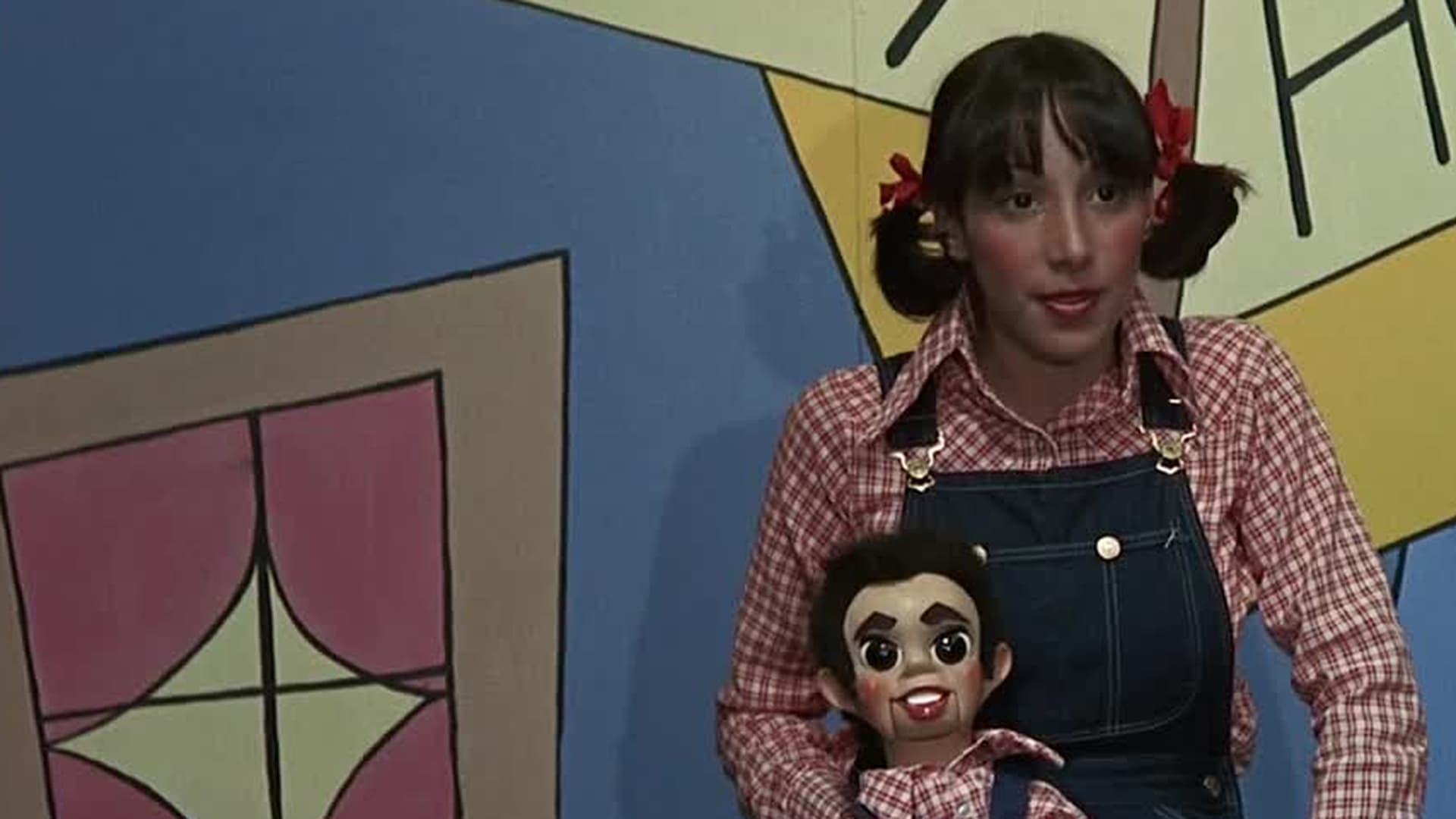
The 1977 film You Light Up My Life featured the voice of Kasey Cisyk, a classically trained Ukrainian-American singer who specialized in commercial jingles. If you ever heard the "Have you driven a Ford lately?" slogan, that was her. Cisyk recorded the entire soundtrack, including the title track. However, when it came time to market the movie, Brooks—the director, writer, and composer—had a falling out with her.
He essentially scrubbed her name from the credits. He then recruited Debby Boone to record a cover version to release alongside the film. Boone’s version became the monster hit, but if you watch the movie, you are watching an actress named Didi Conn lip-syncing to Cisyk’s original vocal. Cisyk later sued for her rightful credits and royalties. It’s a messy piece of music history that shows just how manufactured "the magic" of the 70s music industry really was.
A Song About... What, Exactly?
Depending on who you ask, "You Light Up My Life" is either a love song, a prayer, or a cynical marketing ploy.
Debby Boone has famously stated for decades that she interpreted the lyrics as being directed toward God. To her, "You" was the Divine. This interpretation saved the song from being just another sap-heavy ballad and gave it a second life in the contemporary Christian music scene. Phrases like "It can't be wrong when it feels so right" were repurposed by fans as a testament of faith.
But Joe Brooks didn't write it for God. He wrote it as a standard, albeit slightly manipulative, love song for a film about a struggling singer.
- The song follows a very specific emotional arc.
- It starts with isolation ("So many nights I'd sit by my window").
- It moves to the "light" (the arrival of the muse/lover/God).
- It ends on a note of total dependence.
This ambiguity is exactly why it worked. It was a Rorschach test for the American public. In the wake of the cynical, post-Watergate 70s, people were desperate for something that felt pure. Whether that purity was found in a boyfriend or a higher power didn't matter. It sold millions of copies because it was vague enough to fit any hole in the listener's heart.
The Complicated Legacy of Joseph Brooks
We can't talk about this song without talking about Joe Brooks. He was a powerhouse in the world of advertising jingles before trying his hand at cinema. He was wealthy, talented, and, by most accounts, incredibly difficult to work with.
Years after the song faded from the top of the charts, Brooks' life took a catastrophic turn. In 2009, he was indicted on multiple counts of sexual assault. Prosecutors alleged that he used his status as an Oscar-winning filmmaker to lure women to his apartment under the guise of auditions. It was a horrific "casting couch" scheme that predated the #MeToo movement’s public reckoning by nearly a decade.
In 2011, while awaiting trial, Brooks took his own life.
It casts a long, dark shadow over a song that is ostensibly about light and hope. When you hear those piano chords now, it’s hard not to think about the discrepancy between the art and the artist. Can you still enjoy a song about "lighting up a life" when the creator was accused of ruining so many? It’s a question that listeners of Michael Jackson or R. Kelly struggle with, but it’s rarely discussed in the context of 70s adult contemporary pop.
Why the Record Stayed Number One for So Long
Ten weeks. That’s a lifetime in the music business. To put it in perspective, "You Light Up My Life" held the top spot longer than any song by The Beatles or Elvis Presley.
Why did it stick? Honestly, the competition that year was fierce, but the song benefited from a perfect storm of distribution. It appealed to the "Silent Generation," the Baby Boomers, and the burgeoning Christian market all at once. It was played on Top 40 stations, Adult Contemporary stations, and even some Country stations.
It was the ultimate "safe" song. In a year where punk was exploding in the UK and disco was turning up the heat in New York, Debby Boone was the calm, non-threatening center. She was the girl next door.
Critical Backlash and "The Worst Song" Labels
Interestingly, despite its popularity, critics hated it. Many music journalists in the 80s and 90s consistently ranked it among the worst number-one hits in history. They called it "shlocky," "over-produced," and "emotionally manipulative."
But the public didn't care. The song’s success proved a massive divide between what critics value (innovation, edge, grit) and what the general public often wants (comfort, melody, simplicity). The "You Light Up My Life" phenomenon was the precursor to the massive ballad success of artists like Whitney Houston or Celine Dion in later decades. It established the "power ballad" formula:
- Start with a lonely piano or acoustic guitar.
- Keep the vocals breathy and intimate.
- Bring in the strings at the two-minute mark.
- Hit a massive, sustained high note near the end.
- End on a quiet, lingering thought.
Technical Nuance: The Composition
If you look at the sheet music, the song isn't actually as simple as it sounds. The bridge features some sophisticated chord changes that reflect Brooks' background in commercial scoring. He knew how to trigger an emotional response using specific intervals.
The use of the major seventh chords gives it that dreamy, floating quality. It doesn't feel grounded; it feels like it's drifting. That’s why it feels like a "window" song—it’s the sound of someone looking out at the rain and wishing for something better.
The Cisyk vs. Boone Debate
For those who really care about vocal technique, the Kasey Cisyk version is often considered the superior recording. Her phrasing is more nuanced, and her vibrato is more controlled. She brings a certain "commercial" polish that Debby Boone, who was relatively inexperienced at the time, couldn't quite match.
However, Boone had the pedigree. She had the name. And in 1977, the name "Boone" meant wholesome American values. That brand was what sold the record, not just the vocal cords.
Actionable Insights for Music Lovers and Creators
If you are looking to understand how a hit like this happens, or if you're a songwriter trying to capture that lightning in a bottle, there are real lessons here.
Study the Power of Ambiguity The best way to make a song universal is to leave the subject open to interpretation. Don't name names. Don't be too specific about the setting. "You Light Up My Life" worked because "You" could be anyone. If you're writing, try stripping away one specific detail to see if the song becomes more relatable to a wider audience.
The Artist vs. The Work Develop your own boundary for how you consume art. Knowing the history of Joe Brooks might change how you hear the song, or it might not. Many people choose to credit the performer (Boone or Cisyk) rather than the writer. It’s a personal choice, but being an informed consumer means knowing where your culture comes from.
Don't Ignore "Uncool" Success Just because critics hate something doesn't mean it lacks value. "You Light Up My Life" tapped into a deep, universal human need for hope. If you’re a creator, don't be afraid of being "sappy" if it’s honest. There is a massive market for sincerity, even if it’s wrapped in 70s production.
Check the Credits In the digital age, it's easier than ever to find out who actually played on a track. Take five minutes to look up the "liner notes" of your favorite songs on sites like Discogs or AllMusic. You’ll often find that the people who created the sound you love are not the ones on the album cover. Giving credit to people like Kasey Cisyk is how we keep music history accurate.
Revisit the 1977 Soundtrack If you’ve only heard the Debby Boone version, go find the original film version by Kasey Cisyk. It’s a masterclass in session singing and provides a totally different texture to a song you think you know by heart.
The story of "You Light Up My Life" is a reminder that behind every "pure" pop moment, there is usually a complex web of legal drama, artistic ego, and human frailty. It remains a fascinating artifact of a time when a simple melody could stop the world for ten weeks.



