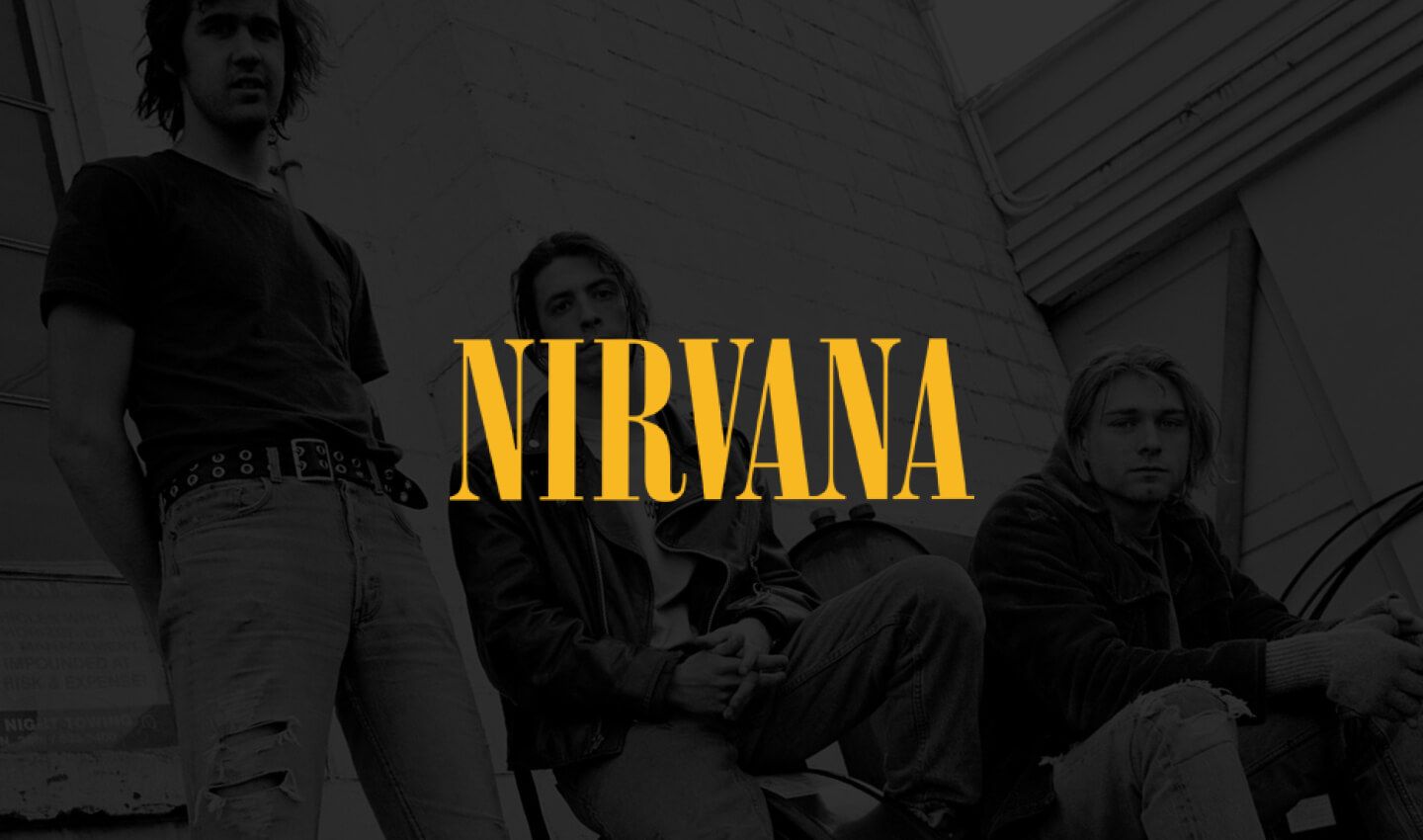
It was a cold, grey afternoon in late January 1994 when three guys walked into Robert Lang Studios in Seattle. They were the biggest band on the planet, but they were also falling apart. Kurt Cobain was struggling with chronic pain and addiction. Dave Grohl and Krist Novoselic were trying to hold the ship steady. They spent three days there. Most of it was spent waiting for Kurt to show up. When he finally did, they tracked one final, haunting masterpiece.
You Know You’re Right, the actual last song of Nirvana, didn't even have a real name back then. On the setlists of their final European tour, they just called it "The Prophet" or sometimes "Kurt’s Tune #1." It sat in a vault for eight years while legal battles raged, finally seeing the light of day in 2002. It wasn't just a leftover track; it was a premonition.
The Final Session at Robert Lang Studios
Most people think In Utero was the end of the line, but the story actually stops at a studio dug into a hillside in North Seattle. The sessions from January 28 to 30, 1994, are legendary among nerds and grunge historians. Dave Grohl actually arrived first. He spent the first couple of days recording solo demos—songs that would eventually become the foundation of the first Foo Fighters album. Honestly, it’s wild to think that while Nirvana was breathing its last breaths, the Foo Fighters were being born in the same room.
Kurt showed up on the third day. He was tired. He didn't have his gear. He ended up using one of the studio's guitars, a Univox Hi-Flier, because his own stuff was already packed for the upcoming European tour.
Adam Kasper, the engineer on the session, has talked about how they basically just jammed on the riff until it clicked. There wasn't a finished lyric sheet. Kurt was scribbling lines and humming melodies. They did the whole thing in just a few takes. It’s raw. You can hear the feedback screaming in the intro, a sound that feels like a physical manifestation of Kurt’s headspace at the time.
Why You Know You’re Right Still Matters
This isn't just a "lost track." It’s arguably one of the most balanced songs they ever made. It perfectly bridges the gap between the polished radio-rock of Nevermind and the abrasive, "bleach-smelling" noise of In Utero.
Think about the structure. It starts with that eerie, ringing guitar line—a suspended chord that never feels quite resolved. Then Kurt’s vocals come in, barely a whisper. "I would never desert you / I would never say that's true." It’s classic Nirvana: the quiet-loud-quiet dynamic they stole from the Pixies and perfected. But there’s something darker here. When the chorus hits, it isn't just a scream; it’s a howl. He repeats the word "pain" over and over, and you realize he isn't playing a character anymore.
For years, fans only had shitty bootlegs. There was a version from a 1993 live show at the Aragon Ballroom in Chicago where the audio was so blown out you could barely hear the lyrics. People obsessed over it. They traded tapes like they were holy relics. When the studio version finally leaked onto the internet in 2002 via a Spanish fan site, it caused a total meltdown in the music industry. It was the last time a "new" rock song felt like a global event.
The Legal War Over the Last Song of Nirvana
You can't talk about this song without talking about the massive lawsuit between Courtney Love and the surviving members of the band. It got ugly. Really ugly.
In the early 2000s, Dave and Krist wanted to put the song on a Nirvana box set. Courtney blocked it. She argued that the song was a "potential hit" and shouldn't be buried on a box set for hardcore fans; she wanted it on a single-disc "Best Of" collection. The legal filings were brutal. Love called the song "a masterpiece" and claimed Grohl and Novoselic were just sidemen. They, in turn, questioned her mental state.
Eventually, they settled. The compromise gave us the self-titled "Black Album" (the one with the simple black cover) in 2002. "You Know You’re Right" was the lead single. It went straight to number one on the rock charts, nearly a decade after Kurt died. It proved that the band's relevance wasn't just nostalgia. The song sounded fresher than anything else on the radio at the time.
The Misconceptions About "The End"
A lot of casual fans think "Where Did You Sleep Last Night" from the MTV Unplugged session was the last song. It makes sense why they’d think that. That final sigh Kurt lets out at the end of the performance feels like a definitive goodbye. But that was recorded in November 1993.
Others point to the final concert in Munich, Germany, on March 1, 1994. The last song they played live that night was "Heart-Shaped Box." It was a disastrous show. The power went out halfway through. Kurt’s voice was shot. They didn't even play an encore. But in terms of the final creative statement—the last piece of music Nirvana intentionally built together in a studio—it is, and will always be, "You Know You’re Right."
The Technical Side of the Sound
If you listen closely to the mix, you’ll notice it’s much "cleaner" than the Steve Albini-produced In Utero. Adam Kasper gave it a thick, modern bottom end. Dave’s drums sound like cannons.
- The Intro: Kurt uses a lot of natural feedback. He was standing right in front of the amp.
- The Vocals: They used a Neumann U87 microphone. It captured the rasp in his voice with terrifying clarity.
- The Lyrics: "Things have never been so swell / I have never felt this well." It's sarcasm. Heavy, biting sarcasm. It’s the same irony he used in "Smells Like Teen Spirit" but sharpened into a razor blade.
The Legacy of a Final Note
Nirvana didn't fade away. They stopped. That’s why their legacy is so potent. There was no "bad" era. No experimental synth-pop album in the late 90s. No awkward reunion tours with a replacement singer. There is just this finite, perfect discography that ends with a scream of "Pain!"
When you listen to the last song of Nirvana today, it doesn't feel like a relic from the 90s. It feels urgent. It’s a reminder of a moment in time when three people could get in a room and change the culture with four chords and a lot of honesty.
How to Deep Dive Into the Final Era
If you want to actually understand the context of this song, don't just stream it on a loop. You need to look at the surrounding history to get the full picture.
- Check out the Robert Lang Studios history: They still operate in Seattle. It’s a literal underground studio. Knowing the physical space where the song was recorded helps you feel the "vibe" of those three days.
- Read "Heavier Than Heaven" by Charles R. Cross: It’s widely considered the definitive biography of Kurt Cobain. It covers the final weeks in excruciating, often heartbreaking detail.
- Watch the "You Know You’re Right" music video: It’s a montage of live clips and studio footage. It was directed by Chris Hafner and manages to be incredibly moving without being cheesy.
- Listen to the Dave Grohl demos from the same session: Look for the tracks "Exhausted" and "Alone + Easy Target." Hearing what Dave was working on simultaneously shows you exactly where the two paths diverged.
There will never be another Nirvana because the circumstances that created them—the Seattle isolation, the pre-internet monoculture, the specific chemistry of those three individuals—can't be replicated. "You Know You’re Right" is the period at the end of a very long, very loud sentence. It’s uncomfortable to listen to sometimes. It’s supposed to be. That was the whole point.



