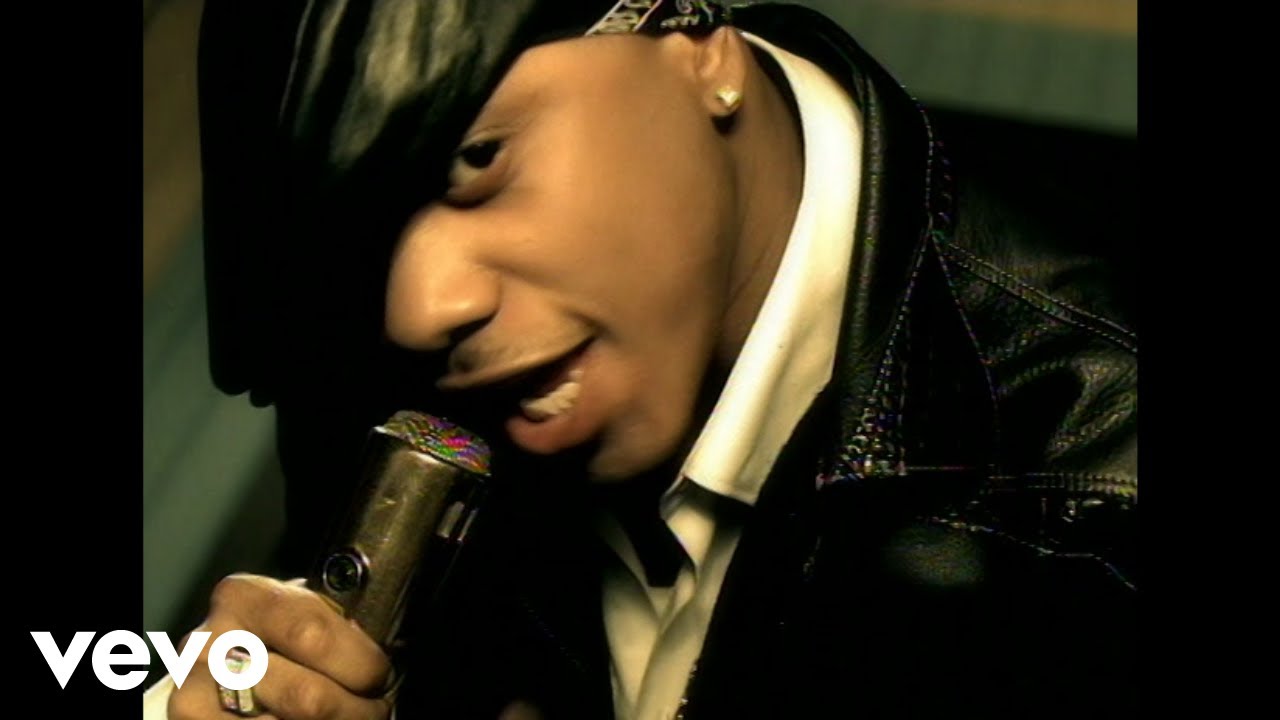
If you were anywhere near a radio or a TV tuned to BET in the early 2000s, you remember the vibe. It was that specific era of R&B where the production felt lush, the vocals were smooth as silk, and the lyrics didn't need to try too hard to be profound. At the center of that movement was Donell Jones. While "Where I Wanna Be" usually gets the most flowers, there is something incredibly enduring about You Know That I Love You.
It's a song that basically defined "grown and sexy" before the term became a cliché. Honestly, it’s one of those tracks that makes you want to dim the lights, even if you’re just sitting in traffic.
The Magic Behind the Smoothness
Released in April 2002 as the lead single for his third album, Life Goes On, the track had some big shoes to fill. Jones was coming off the massive success of his sophomore project, and the pressure was on to prove he wasn't just a one-album wonder.
He didn't just meet expectations; he shifted the mood.
While many of his peers were chasing high-energy club beats, Jones leaned into a mid-tempo, guitar-driven sound. The production credits are a bit of a "who's who" of that era’s soulful sound. It was produced and written by Jamie Hawkins, Chris Absolam, and Richard Smith. Jamie Hawkins, in particular, brought a gospel-infused sensibility to the track that gave it a weight most R&B songs of the time lacked.
The song isn't just a profession of love. It’s a plea for reassurance.
Why It Resonates
There's a specific line that always sticks: "I'll do anything that you want me to do, just to prove my love is true." It sounds simple, right? But in the context of the early 2000s, where "player" culture was dominating the charts, hearing a man be this vulnerable was refreshing. It wasn't about the chase; it was about the maintenance of a real relationship.
Chart Success and Cultural Impact
You might be surprised to learn that You Know That I Love You didn't actually hit number one on the Billboard Hot 100. In fact, it peaked at number 54. But don't let the mainstream numbers fool you. On the Hot R&B/Hip-Hop Songs chart, it was a beast, climbing all the way to number 8.
In the UK, it found a massive following in the burgeoning "2-step" and garage scenes, leading to several remixes that still play in London clubs today.
- Lead Single Status: It carried the Life Goes On album to a number 3 debut on the Billboard 200.
- Video Direction: The music video was directed by the legendary Chris Robinson. He’s the same guy who did iconic videos for Alicia Keys and Usher.
- Aesthetic: The video featured a clean, minimalist look—mostly Jones in stylish knits and leather, looking every bit the R&B crooner.
The album Life Goes On eventually went Gold, moving over 500,000 units. While it didn't reach the Platinum heights of his previous work, the lead single became the "wedding song" for an entire generation.
The "Stevie Wonder" Factor
Critics have often compared Donell Jones to a young Stevie Wonder. You can hear it in the way he stretches his vowels and that subtle rasp when he hits his upper register. In You Know That I Love You, that influence is on full display.
He isn't yelling. He isn't doing unnecessary vocal runs. He’s just singing.
It’s that restraint that makes the song timeless. If you play it today alongside a 2024 R&B track, it doesn't sound dated. It just sounds like a standard.
Technical Details for the Nerds
For those who care about the "how" of the music, the song is built on a very solid foundation.
The mixing was handled by Serban Ghenea, who is basically a legend in the engineering world. If you listen to the track on a good pair of headphones, you'll notice how the acoustic guitar is panned perfectly to contrast with the deep, thumping bassline. It’s a masterclass in balance.
The song sits in a comfortable mid-tempo pocket, making it perfect for both radio play and "steppers" sets.
What Really Happened with the Remixes?
A lot of people forget that there were several official versions of this song. While the album version is the one we all know, there was a "Pete Avila's Organic Club Mix" and a "David Harness Taboo Mix." These were aimed squarely at the house and deep house scenes.
Why does this matter? Because it shows that Donell Jones's music wasn't just for one audience. It had a "soul" that translated across genres.
Why You Should Revisit It Now
In a world where music often feels manufactured for 15-second social media clips, You Know That I Love You is a reminder of what happens when you let a song breathe. It’s over four minutes of genuine emotion.
If you’re building a classic R&B playlist, this isn't an optional add; it's a requirement. It represents a time when Chicago-born talent like Jones was redefining what the "male lead" in music looked like—vulnerable, stylish, and immensely talented.
Your R&B Deep Dive Checklist
If this track sent you down a rabbit hole, here is what you should check out next to get the full experience:
- Watch the Chris Robinson-directed video: Look for the subtle lighting cues that emphasize the song's mood.
- Listen to the full Life Goes On album: Tracks like "Put Me Down" (featuring Styles P) show a different, grittier side of Jones.
- Compare it to "Where I Wanna Be": Notice how his vocal maturity evolved between 1999 and 2002.
- Find the UK Garage Remixes: If you want to hear how a soulful ballad can be turned into a dancefloor filler, these are essential.
The legacy of Donell Jones isn't just about the hits; it's about the feeling. And thirty years from now, people will still be singing along to that chorus. It’s just one of those songs.



