When Kim Wilde stepped into the studio in 1986 to record a cover of a Motown classic, she wasn't trying to build a monument to the past. Honestly, she hadn't even heard the original version in years. Her brother, Ricky Wilde, had been messing around with some chord progressions in the studio, and it suddenly clicked—they weren't his. They belonged to the Supremes. Instead of backing away from the accidental imitation, the duo leaned in. They didn't just cover it; they dismantled it.
The result was You Keep Me Hangin' On, a Hi-NRG synth-pop explosion that did something almost no cover ever manages to do: it became just as iconic as the original. For a more detailed analysis into this area, we suggest: this related article.
The "Throwaway" Vocal That Conquered the World
Most people assume a massive #1 hit requires months of meticulous planning and boardroom strategy. Not this one. Kim Wilde has gone on record saying her vocal take was basically a "throwaway." She had just come from the dentist, her mouth was still hurting, and she definitely wasn't in the mood to channel Diana Ross.
That lack of reverence is exactly why it worked. For further background on the matter, comprehensive reporting can be read on Entertainment Weekly.
While the 1966 original by The Supremes was rooted in that polished, soul-infused Motown "wall of sound," the Wildes wanted something colder, harder, and more aggressive. They swapped the "Morse code" guitar lick for jagged, Fairlight III synth stabs and a heavy, mechanical drum beat. It was 1986, after all.
Why the 1986 version felt so different
- The Tempo: It was faster, leaning into the emerging Hi-NRG dance scene.
- The Attitude: Diana Ross sounded desperate and pleading; Kim Wilde sounded fed up and dangerous.
- The Lyrics: They actually changed some of the words to fit the new vibe, a move that would usually make Motown purists lose their minds.
By the time the track was finished, it had been sitting "in the can" for nearly a year. There was no grand plan to release it as a lead single until someone at the record label realized they had a monster hit on their hands.
Breaking the American Curse
Before You Keep Me Hangin' On, Kim Wilde was a massive star in Europe but a bit of an enigma in the States. Everyone knew "Kids in America," but the follow-ups hadn't quite stuck the landing on the Billboard charts.
This song changed everything.
In June 1987, it hit #1 on the Billboard Hot 100. It was a massive feat. It turned her into only the fifth British female solo artist to ever top the American charts. Interestingly, the song also hit #1 in Australia and reached #2 in her home country, the UK.
It’s rare for a song to hit the top spot twice with two different artists, but Kim and the Supremes pulled it off. Vanilla Fudge also had a go at it in 1967 with a slowed-down, psychedelic rock version that hit #6, proving that the songwriting of Holland-Dozier-Holland was basically indestructible.
The Music Video and the "Wilde" Aesthetic
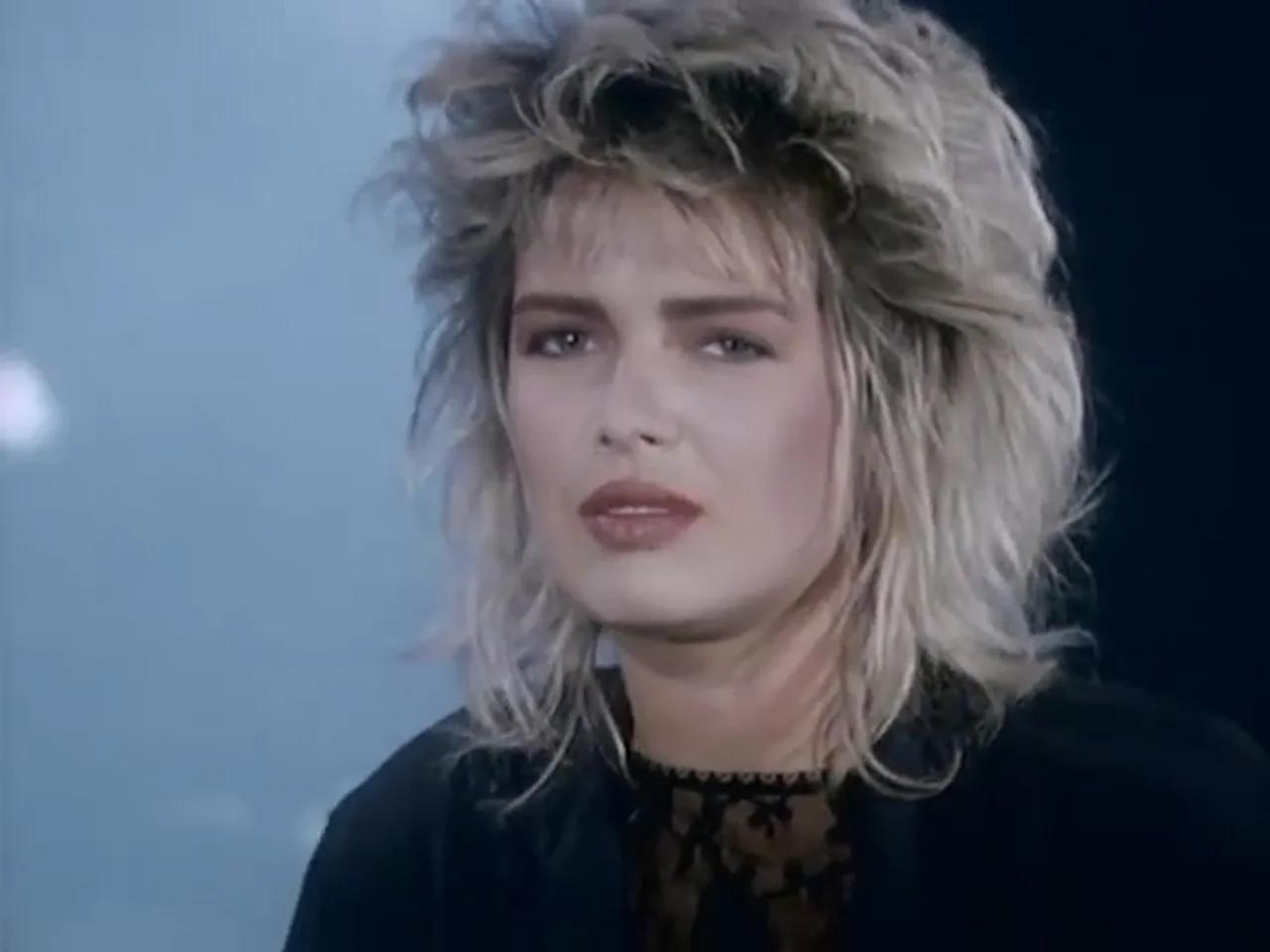
You can't talk about You Keep Me Hangin' On without mentioning the visuals. Directed by Greg Masuak, the video was a masterclass in 80s moody lighting and big hair. Kim appeared in a dark, stylized room, looking every bit the synth-pop queen.
It wasn't just about the music. It was the image.
The bleached-blonde hair, the oversized jewelry, and that specific "I don't care but I'm actually very intense" look defined the era. It helped transition her from the "girl next door" art student vibe of her early career into a global pop powerhouse.
What Most People Get Wrong About the Recording
There is a common misconception that Kim Wilde was trying to "pay homage" to the 60s. In reality, she and Ricky treated it like a brand-new song. They weren't looking back. They were looking at the equipment they had in the room—specifically the Fairlight CMI synthesizer—and seeing how much noise they could make with it.
"Our energy combined of not knowing the song terribly well... that's why I think it's such a fresh version." — Kim Wilde
The production by Ricky Wilde was surprisingly lean for the mid-80s. While other tracks were being buried under layers of unnecessary orchestration, this one stayed focused on the groove and Kim's vocal grit.
The Long-Term Impact on Kim Wilde's Career
Success like that is a double-edged sword. While it made her a household name in the US, it also led to some critics labeling her a "cover artist," which is incredibly unfair given the strength of her original catalog. Songs like "You Came" and "Never Trust a Stranger" proved she had the songwriting chops to back up the hype, even if they didn't hit #1 in America.
Today, the track remains a staple of 80s nostalgia tours. But calling it "nostalgia" feels a bit reductive. When you hear those opening synths in a club today, the energy is still there. It doesn't sound like a relic; it sounds like a blueprint for the dark-pop and electro-clash movements that followed decades later.
Take Action: How to Experience the Best of This Era
If you want to dive deeper into why this specific sound worked, don't just stop at the radio edit. Find the Extended W.C.H. Mix or the Ian Levine Club Version. These versions show the true Hi-NRG roots of the project and give the synths more room to breathe.
Also, compare the 1986 version with her 2006 remake from the album Never Say Never. The later version is heavier and more rock-oriented, showing how her voice matured while still keeping that signature "get out of my life" attitude.
The best way to appreciate the track is to listen to it back-to-back with the 1966 original. You’ll hear two completely different ways to handle a heartbreak—one with a soulful tear and one with a synthesizer-fueled middle finger.



