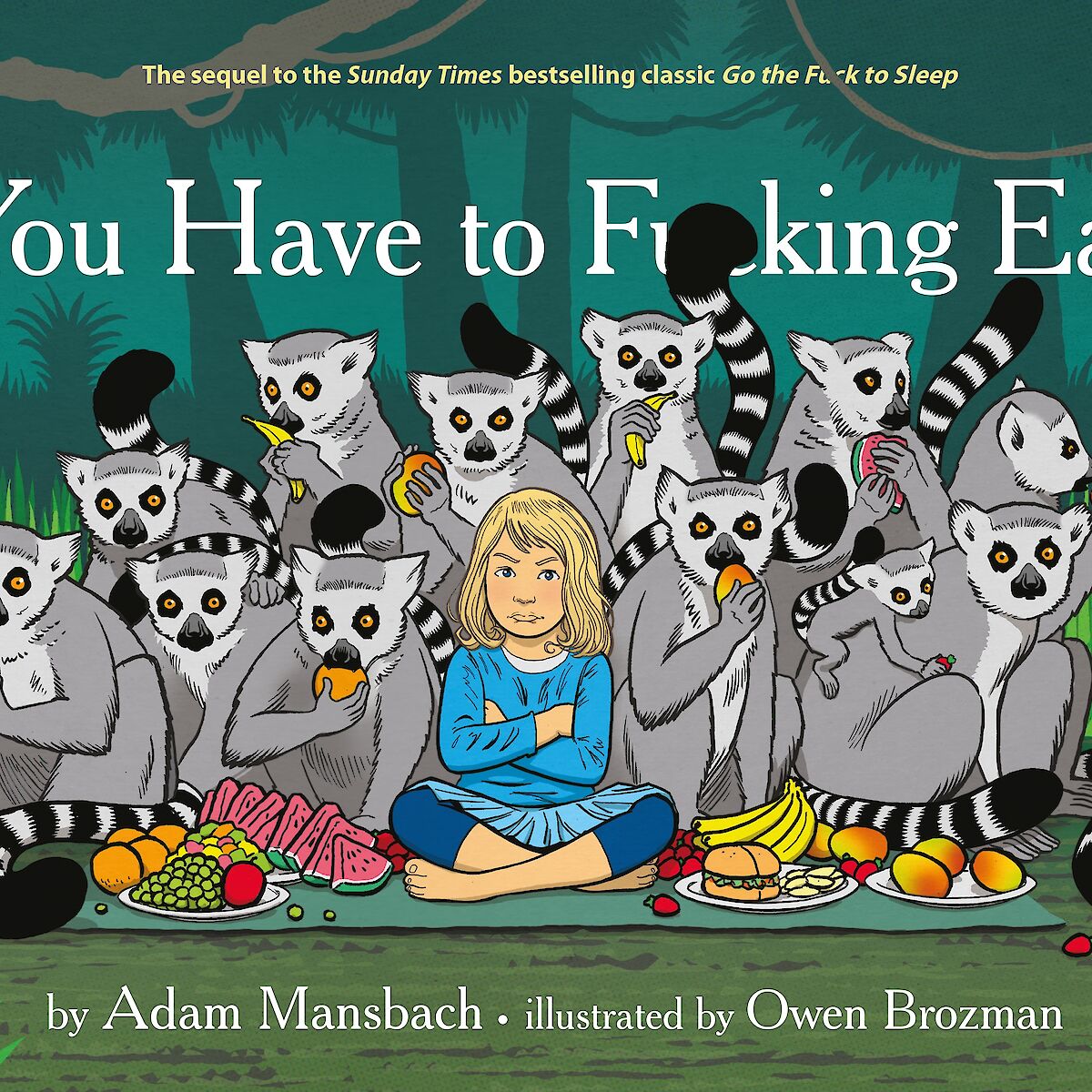
Energy is a finite resource, but we treat it like a credit card with no limit. We skip breakfast because we’re "fasting," then we power through a three-hour meeting on nothing but bean water and adrenaline. By 3 PM, the brain fog rolls in. You’re snapping at your coworkers. Your hands are a little shaky. You think it's stress. Honestly? It's usually just that you have to fucking eat.
Survival is noisy. Our bodies evolved to scream when the fuel tank hits empty, yet modern culture has turned ignoring hunger into a badge of honor. We call it discipline. We call it "grinding." But the biology of it doesn't care about your deadlines. When blood glucose drops below a certain threshold, your prefrontal cortex—the part of your brain responsible for not being a jerk and making complex decisions—basically goes on strike. You aren't "burnt out" yet. You're just starving.
The Biology of the "Hangry" Meltdown
It's not just a cute snickers commercial trope. "Hanger" is a real physiological phenomenon backed by science. When you haven't eaten, your blood glucose levels plummet. This triggers a cascade of hormones including cortisol and adrenaline. These are stress hormones. They are designed to make you edgy so you'll go find a mammoth to hunt.
In a 2014 study published in the Proceedings of the National Academy of Sciences (PNAS), researchers tracked married couples and found a direct correlation between low glucose levels and increased aggression. They literally gave the participants voodoo dolls to represent their spouses and told them to poke pins in them based on how angry they felt. The people with the lowest blood sugar? They went to town on those dolls.
Your brain uses about 20% of your body's total energy. If you’re trying to solve high-level problems on an empty stomach, you’re essentially trying to run a gaming laptop on a watch battery. It's not going to work. You’ll get the "spinning wheel of death" in your head, and eventually, the system will just crash.
You Have To Fucking Eat Because Your Metabolism Isn't a Calculator
There’s this persistent myth that the human body is a simple "calories in vs. calories out" machine. It’s more like a complex, moody ecosystem. If you stop putting fuel in, the body doesn't just keep burning fat at a steady rate while you feel great. It panics. It starts downregulating non-essential functions.
Your body temperature might drop. You get those weird chills in the middle of a June afternoon. Your thyroid function can slow down. According to Dr. Stacy Sims, a prominent exercise physiologist and nutrition scientist, chronic under-fueling—especially in active individuals—leads to a state called Low Energy Availability (LEA). This isn't just about feeling tired. LEA can lead to bone density loss, hormonal imbalances, and a weakened immune system.
You think you’re being efficient by skipping lunch to finish that report. In reality, you’re telling your nervous system that there’s a famine. When the nervous system thinks there’s a famine, it holds onto every ounce of fat it can find and starts breaking down muscle for quick energy. You’re literally eating your own gains because you couldn't spare fifteen minutes for a sandwich.
The Myth of Permanent Fasting
Intermittent fasting is the darling of the tech world. It’s been packaged as a "biological reset," and for some people, it works wonders. But there’s a dark side to the "One Meal A Day" (OMAD) trend. For many, it’s just a socially acceptable way to mask an eating disorder or chronic under-fueling.
Precision Nutrition, one of the world’s leading nutrition coaching organizations, often points out that while fasting can improve insulin sensitivity in some, it can absolutely wreck the stress response in others. Women, in particular, tend to be more sensitive to nutrient scarcity. The hormone kisspeptin, which is responsible for stimulating ovulation and maintaining regular cycles, is highly sensitive to energy balance. If you don't eat, your body decides that now is a terrible time to be fertile.
Even if you don't care about fertility, you probably care about your hair not falling out. Or your skin not looking like parchment paper. Or being able to sleep through the night. Chronic under-eating increases nocturnal cortisol. You wake up at 3 AM with your heart racing, thinking about that email you forgot to send. You aren't anxious about the email. You're anxious because your liver is out of glycogen and your brain thinks you're dying.
Why We Fight the Need to Fuel
We’ve been conditioned to view hunger as an enemy. We’ve been told that "hunger is just a feeling" or that we should drink a glass of water and wait twenty minutes. Sometimes, sure. But usually, hunger is a data point.
- The Productivity Trap: We live in a culture that rewards the "first in, last out" mentality. Eating feels like a distraction. It's something you do after the work is done.
- Diet Culture Residue: Even if you aren't "on a diet," the decade of "thin is in" messaging has left a mark. We feel "good" when we haven't eaten much and "bad" when we feel full.
- The Caffeine Crutch: We use stimulants to mask the signals. If you drink enough espresso, you won't feel the hunger pangs. But you'll still feel the irritability, the lack of focus, and the eventual "crash and burn" at the end of the week.
Honestly, the most productive thing you can do at 1 PM isn't another cup of coffee. It’s some protein and some complex carbs. It's fuel.
What Actually Happens When You Eat
When you finally sit down and have a real meal—not a protein bar you ate over the sink, but a meal—your body shifts from the sympathetic nervous system (fight or flight) to the parasympathetic nervous system (rest and digest).
Your heart rate variability (HRV) improves. Your brain gets a steady supply of glucose. You stop viewing your inbox as a series of personal attacks. You become a functional human again.
Actionable Steps to Stop Starving Yourself
You don't need a 500-page diet book. You need a better relationship with the "Off" switch on your computer.
- Set a Non-Negotiable Lunch Hour: It doesn't have to be an hour. Thirty minutes. But the laptop stays closed. If you eat while you work, your brain doesn't register the satiety cues properly, and you'll be hungry again in an hour anyway.
- Prioritize Protein Early: Stop starting your day with just sugar and caffeine. Get some eggs, Greek yogurt, or a protein shake. It stabilizes your blood sugar so you don't spend the rest of the day on a roller coaster.
- Listen to the "Quiet" Cues: Hunger isn't just a growling stomach. It's a headache. It's losing focus on a sentence you've read four times. It's feeling suddenly "done" with everyone's bullshit. Those are signs that you have to fucking eat.
- Keep "Emergency" Real Food: Forget the chalky bars. Keep some nuts, tinned fish, or fruit nearby. Something that actually grew in the ground or lived.
- Check Your Evening Mood: If you find yourself binging on cereal at 10 PM, it's not because you have "no willpower." It's because you didn't eat enough during the day. Your body is playing catch-up.
Stop Making It Complicated
The wellness industry wants to sell you supplements, powders, and complicated protocols. They want you to think that "optimal performance" is a secret code you have to crack. It’s not.
Most of the time, the "biohack" is just a sandwich.
If you are feeling overwhelmed, angry, tired, or just "blah," stop looking for a new productivity app. Go to the kitchen. Put some food on a plate. Sit down. Eat it. Your brain will thank you, your partner will thank you, and you'll actually get more done in the long run.
Your body is the only place you have to live. Stop trying to starve it into submission. It has more staying power than you do, and it will win the fight every single time. Fuel the machine.
Next Steps for Better Fueling:
- Identify your "Low Fuel" symptoms: Spend the next two days noticing when your mood shifts. Are you actually mad at your boss, or is it 4 PM and you've only had a bagel?
- The "One-Hand" Test: If your meal doesn't require a fork or at least two hands to hold, it’s probably a snack, not a meal. Eat real meals.
- Hydrate, but don't substitute: Water is great. It is not food. If you're hungry, eat.