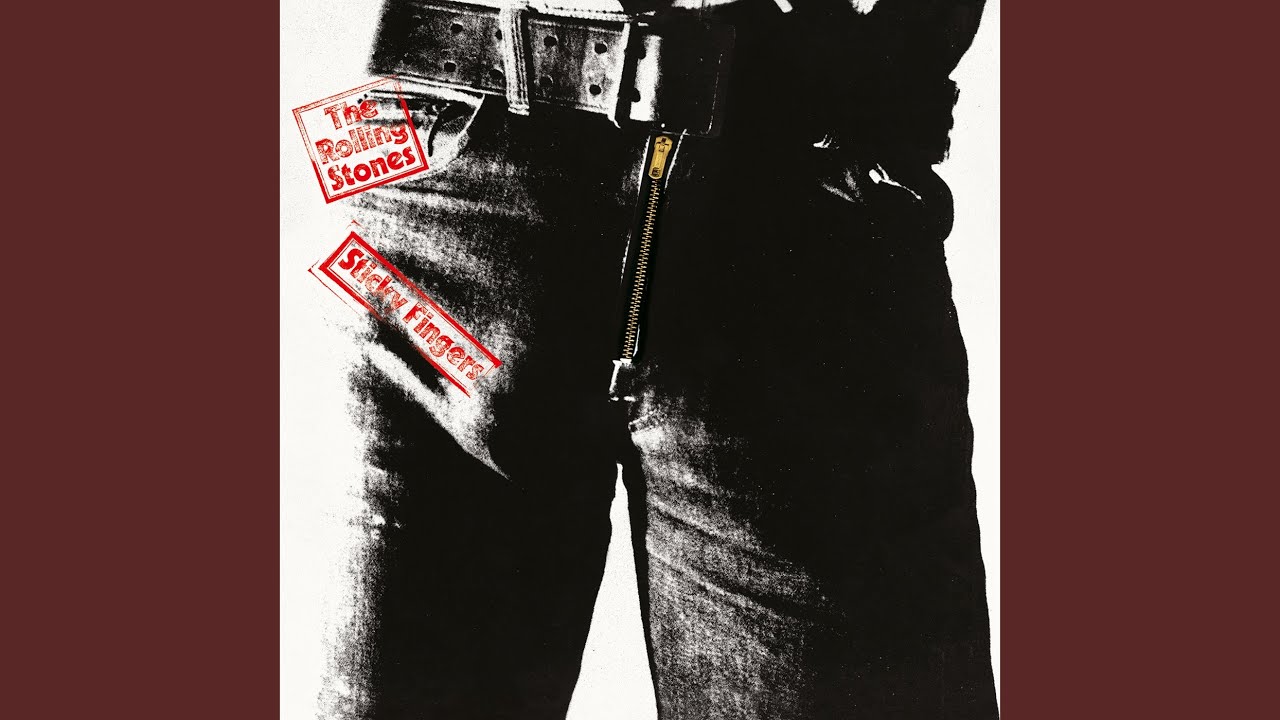
It is loud. It is gritty. It sounds like it was recorded in a basement filled with cigarette smoke and old guitar cases. When people talk about Sticky Fingers, they usually jump straight to the hit singles or the Warhol-designed zipper cover, but if you really want to understand the DNA of the band, you have to listen to You Gotta Move Rolling Stones.
The song isn't theirs. Not originally. It belongs to the Mississippi Delta, specifically to the legendary Fred McDowell. But when Mick Jagger and Keith Richards got their hands on it, something shifted.
The Raw Sound of 1969
The Stones didn't record this in a shiny London studio with top-tier acoustics. They tracked it at Muscle Shoals Sound Studio in Alabama. It was December 1969. The vibe was heavy.
Keith Richards was deep into his obsession with open tunings. You can hear it in the slide guitar. It’s biting. It’s sharp. It feels like a jagged piece of glass being dragged across a wire. Most bands try to polish blues covers until they sparkle for the radio. The Stones did the opposite. They let it stay dirty. Honestly, that’s why it works. If they had cleaned it up, it would have lost that spiritual, almost haunting desperation that makes the original "You Gotta Move" so powerful.
Mick Jagger’s vocals here are a choice. He isn't singing in his usual rock-star belted tone. Instead, he adopts a sort of nasal, rhythmic drawl that mimics the call-and-response style of old gospel and field hollers. Some critics at the time thought it was a bit much—maybe even bordering on caricature—but in the context of the album, it provides a necessary anchor to the roots of rock and roll.
Where You Gotta Move Rolling Stones Came From
You can’t talk about this track without talking about Mississippi Fred McDowell. He was the master of the "Hill Country Blues." This wasn't the sophisticated, jazz-adjacent blues of Chicago. It was rhythmic. It was hypnotic.
McDowell famously said, "I do not play no rock and roll." He was a purist. Yet, here were the biggest rock stars in the world, taking his spiritual message and putting it on an album that would sell millions. The song is essentially a sermon. The lyrics—You may be high / You may be low—are a reminder of mortality. It’s a leveling of the playing field. Whether you’re a rich man or a poor man, when the time comes, you gotta move.
The Stones first performed it live during their 1969 U.S. tour. If you’ve seen the documentary Gimme Shelter, you’ve seen the footage of them playing it at Madison Square Garden or huddled around a playback machine at Muscle Shoals. There’s a specific moment where you see the band listening back to the take, and you can see on their faces that they knew they caught something special.
The Gear and the Gritty Details
Keith played a 1930s National Steel guitar on the track. That’s why it has that metallic, percussive ring. It’s not an electric guitar through a fuzz pedal. It’s just old metal and wood vibrating.
Mick Taylor, who was still the "new guy" in the band at that point, played the electric slide parts that weave in and out of Keith's acoustic foundation. Charlie Watts kept it dead simple. There are no fancy fills here. Just a steady, thumping beat that feels like a march toward the inevitable. Bill Wyman’s bass is thick and low, filling in the gaps that the acoustic guitar leaves behind.
Why This Track Matters on Sticky Fingers
Sticky Fingers is a dark album. It’s obsessed with drugs, sex, and the ending of the 1960s dream. Putting a traditional blues spiritual right in the middle of it was a genius move.
It acts as a palate cleanser.
After the heavy groove of "Can't You Hear Me Knocking," the band brings everything back down to earth. It reminds the listener that before the private jets and the stadiums, these were just kids from England who were obsessed with American blues records.
Some fans skip it. They want the hits. But if you skip You Gotta Move Rolling Stones, you're missing the soul of the record. It’s the bridge between the 1930s American South and the 1970s British rock scene.
The Controversy of Appropriation
We have to be real about this: a group of wealthy white Englishmen recording a song written by a Black man from the Jim Crow South is a complex thing.
The Stones were always very vocal about their influences. They didn't try to hide where the music came from. In fact, they often insisted on having their heroes, like B.B. King or Howlin' Wolf, open for them on tour. They ensured McDowell got his royalties, which was a significant shift from how many other 60s bands handled blues covers.
Still, there’s an inherent tension in Jagger’s vocal delivery. He’s trying on a persona. Is it a tribute or an act? Most blues historians lean toward tribute, simply because the Stones’ reverence for the material is so obvious in the technical execution. They weren't trying to make it a pop song. They were trying to capture the dread.
Listening Guide: What to Notice
Next time you put on the vinyl or hit play on your streaming service, pay attention to these specific things:
- The Foot Stomps: You can hear the physical rhythm of the room. It’s not just a metronome; it’s the sound of feet hitting the floor.
- The Slide Vibrato: Listen to how the slide notes waver. It’s intentional. It creates a sense of unease.
- The Harmony: When the band joins in on the chorus, it’s not "pretty." It’s a rough, communal shout.
Moving Forward with the Blues
If this track resonates with you, don't stop at the Stones version. The best way to respect the music is to go back to the source.
Check out Mississippi Fred McDowell’s You Gotta Move from 1965. It’s even more haunting. It’s just him and a guitar. No drums. No bass. No superstar ego. Once you hear the original, you’ll realize that the Rolling Stones weren't trying to improve it—they were just trying to survive it.
The song remains a staple for a reason. It’s a reminder that no matter how famous you get, or how much gear you own, the blues is about the truth. And the truth is usually a little bit messy.
Actionable Insights for Music Fans:
- Explore Hill Country Blues: If you like the repetitive, hypnotic rhythm of this track, look up artists like R.L. Burnside and Junior Kimbrough.
- Study the Tuning: For guitarists, tune your guitar to Open G ($D-G-D-G-B-D$) to get that signature Keith Richards sound found on this and many other Stones tracks.
- Watch the Documentary: Find a copy of Gimme Shelter (1970) to see the raw, unedited footage of the band during the era this song was captured. It provides essential context for the "end of the sixties" vibe.
- Check the Credits: Always look at the songwriting credits on your favorite rock albums. Often, the best songs are covers that lead to a whole world of older, incredible music you’ve never heard.



