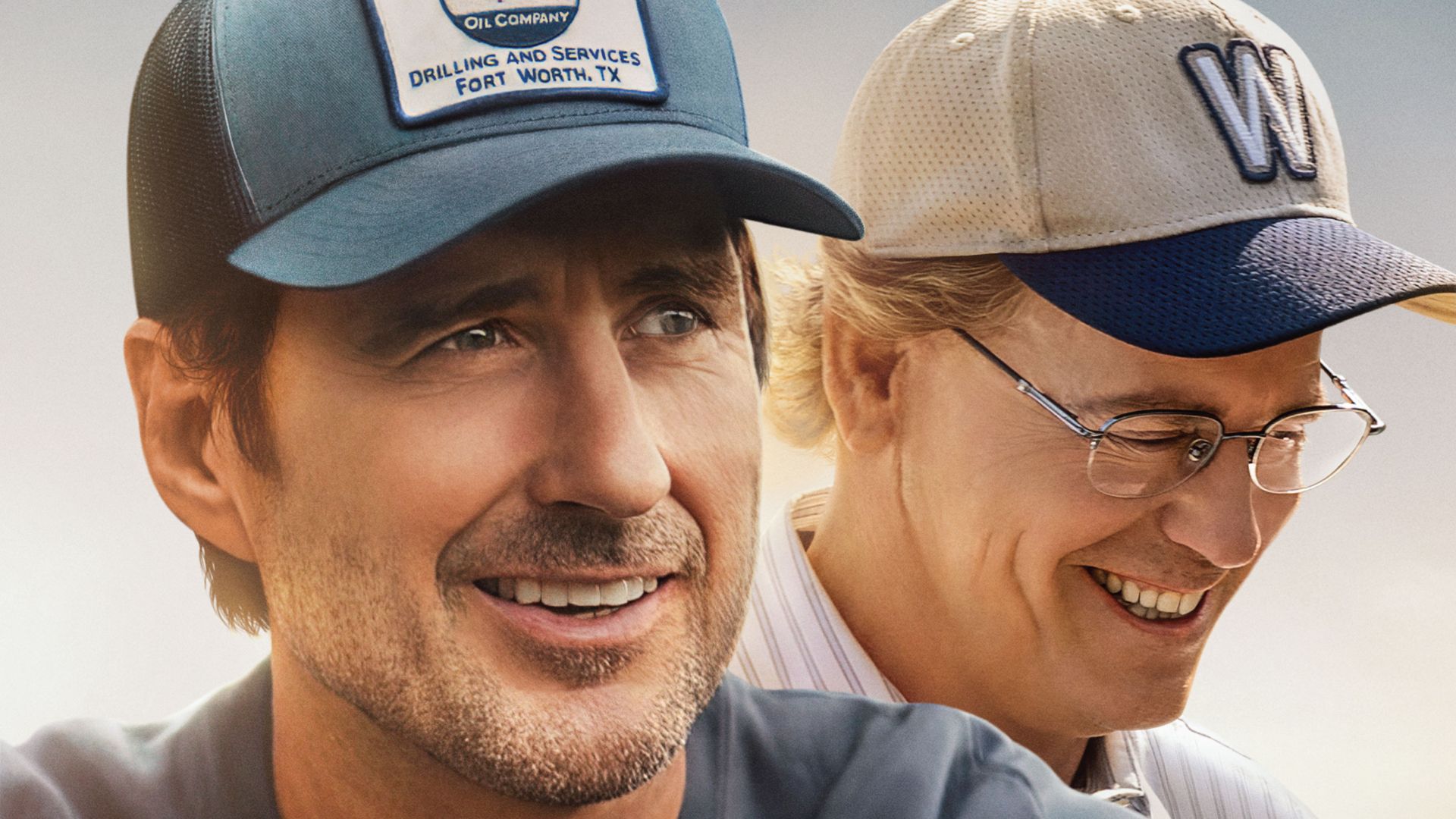
If you grew up playing baseball, you know that smell. It’s a mix of red clay dust, cheap concession stand popcorn, and that weirdly specific leather oil your dad swore by. Most sports movies try to fake that feeling with shiny jerseys and over-rehearsed swings, but You Gotta Believe actually gets the grit right.
It’s not just another underdog story. Honestly, we’ve seen enough of those to last a lifetime. But this one? It’s based on the 2002 Westside Little League team from Fort Worth, Texas. They weren’t supposed to be there. They were a "scrappier than average" group of kids who ended up in the Little League World Series because they had something much heavier than a championship on the line.
The film stars Luke Wilson and Greg Kinnear, two actors who basically specialize in that "tired but trying" dad energy. Wilson plays Bobby Ratliff, the coach who becomes the emotional heartbeat of the entire town. When Bobby gets a devastating cancer diagnosis, the season stops being about wins and losses. It becomes about time.
The Real Story Behind You Gotta Believe
Life is rarely as clean as a Hollywood script. In 2002, the Westside All-Stars were a literal afterthought. They were the team that usually got knocked out in the first round of districts. Then Bobby Ratliff got sick.
The movie captures this shift perfectly. Suddenly, those 12-year-olds weren't just playing for a plastic trophy. They were playing to keep their coach's spirits up. It’s heavy stuff for a PG movie, but it never feels like it's pandering. You see the kids processing mortality through the lens of a double-header.
They went on this tear. They won game after game, advancing through sections, then states, then regions. By the time they hit Williamsport, they were the "Team of Destiny." But here's the thing—You Gotta Believe doesn't shy away from the fact that destiny is exhausting. The film shows the blisters, the heat exhaustion, and the sheer mental toll of being a kid under that kind of spotlight.
Why the Cast Works So Well
Luke Wilson doesn't overplay the illness. He keeps Bobby grounded. He’s a guy who loves his son, Robert (played by Etienne Kellici), and loves the game. There’s a scene where he’s just sitting in the dugout, looking at the grass, and you can feel the weight of him realizing this might be his last summer on a diamond. It’s understated. It’s real.
Greg Kinnear plays Jon Kelly, the co-coach and Bobby’s best friend. Kinnear is great at playing the guy who has to hold it all together when he’s secretly falling apart. The chemistry between them feels lived-in. Like they’ve shared a thousand lukewarm Gatorades and argued over batting orders for a decade.
The kids? They actually look like they can play baseball. That’s a huge pet peeve for me in sports movies. There’s nothing worse than a "star pitcher" who throws like he’s never seen a round object before. These actors clearly went through a camp, or they grew up in the dirt. Their camaraderie feels unscripted, full of that specific brand of 12-year-old snark that keeps the movie from getting too sentimental.
Breaking Down the Williamsport Hype
If you’ve never been to Williamsport, Pennsylvania, for the Little League World Series, it’s basically Disneyland with aluminum bats. The movie does a solid job recreating that atmosphere. The hills, the cardboard slides, the crushing pressure of ESPN cameras being shoved in a middle schooler's face.
You Gotta Believe leans into the 2002 aesthetic without being annoying about it. No over-the-top "look at this old cell phone" jokes. It just exists in that pre-smartphone era where the only thing that mattered was the box score in the morning paper.
One of the most intense parts of the movie is the legendary 11-inning game against Louisville. For those who don't know, Little League games are only six innings. Playing eleven is the equivalent of a pro team playing a 22-inning marathon. It’s grueling. The film captures the physical decline of the pitchers—the rubber arms, the sweat, the sheer refusal to quit.
What People Get Wrong About This Movie
Some critics called it "cliché." I think those people forgot what it’s like to be part of a community.
Is it a "feel-good" movie? Sorta. But it’s also a "feel-really-sad-then-hopeful" movie. It doesn't promise a miracle cure. It doesn't promise that if you believe hard enough, everything goes back to normal. It’s about the fact that even when the outcome is guaranteed to be painful, how you spend the time in between matters.
- The coaching style: It reflects an era before "travel ball" took over everything.
- The stakes: They felt local and intimate, even when they were national.
- The ending: It’s bittersweet, just like the real events.
The movie isn't trying to reinvent the wheel. It’s trying to honor a specific man and a specific group of kids. If you go in expecting Moneyball, you’ll be disappointed. But if you go in expecting a story about why we bother teaching kids to play sports in the first place, it hits the mark.
The Legacy of the 2002 Westside Team
The real Robert Ratliff grew up to be a standout player himself, eventually playing at Ole Miss. He’s been vocal about how surreal it is to see his childhood trauma and triumph turned into a feature film. He’s praised the production for staying true to his father’s character.
That’s the "E-E-A-T" (Experience, Expertise, Authoritativeness, and Trustworthiness) of this story. It’s backed by the people who lived it. It’s not a corporate "inspired by a true story" where they change 90% of the facts. They kept the names. They kept the heart.
Bobby Ratliff’s motto, "You gotta believe," became a rallying cry for Fort Worth. But the movie shows that "believing" isn't about magic. It’s about showing up for your teammates when you’d rather be anywhere else. It’s about swinging the bat even when your hands are shaking.
How to Watch and What to Look For
You can find You Gotta Believe on most major streaming platforms now. If you’re watching with your family, keep an eye out for these details:
- The Dugout Talk: Pay attention to the background chatter between the kids. A lot of that was improvised and captures that genuine Little League vibe.
- The Sound Design: The "ping" of the bats is historically accurate to the early 2000s era.
- The Cameos: Look for nods to the real-life players and families from the 2002 team in the crowd shots.
It’s a movie that rewards people who actually like the sport. It doesn't treat baseball like a background prop. The strategy matters. The pitch counts matter. The dirt matters.
Final Steps for the Genuine Fan
If this story moved you, don't just stop at the credits.
- Research the 2002 LLWS: Look up the original highlights on YouTube. Seeing the real kids—who are now men in their 30s—puts the movie's performances in a whole new light.
- Support Local Little League: These organizations are often struggling for volunteers and funding. The "Westside" spirit exists in every town.
- Check out the "You Gotta Believe" Foundation: See how the legacy of Bobby Ratliff continues to support families dealing with similar struggles.
This film is a reminder that the most important games aren't played for millions of dollars. They’re played on Saturday afternoons, under flickering floodlights, for a coach who told you that you were capable of something great. That’s why You Gotta Believe sticks with you long after the final out.



