You know that feeling when a song starts and you just can't help but lean in? That’s exactly what happens the second that choppy, driving rhythm of You Don't Mess Around with Jim kicks in. It’s got this swagger. This grit. It’s the kind of track that makes you want to grow a mustache and buy a pool cue, even if you’ve never set foot in a billiards hall in your life.
But here’s the thing. Most people hear the chorus—that iconic "don’t tug on Superman’s cape" bit—and they think it’s just a fun, tough-guy anthem. They think Jim Croce was writing about himself.
He wasn’t.
Actually, the song is a cautionary tale with a twist ending that hits like a ton of bricks. It’s about a man who thought he was untouchable until he met someone who simply didn't care about his reputation.
The Real Story Behind the Pool Hall King
Jim Croce didn’t just pull Big Jim Walker out of thin air. The character was born from the "Character Development Period" of Croce's life. This was back when he was working regular blue-collar jobs in Pennsylvania and New York just to keep the lights on.
While selling airtime for a radio station in some of the rougher parts of South Philadelphia, Jim would hang out in pool halls. He wasn’t there to play; he was there to observe. He watched the hustlers. He listened to the talk. According to his wife, Ingrid Croce, he encountered a real-life pool shark named Jim Walker.
This guy was the prototype. Big. Intimidating. He had the "two-piece custom-made pool cue" mentioned in the lyrics. He was the king of 42nd Street.
Why the Song Almost Didn't Happen
It’s wild to think about now, but You Don't Mess Around with Jim was rejected by nearly 40 record labels. Croce had been at it for a decade with very little to show for it. He’d released albums in the 60s that went nowhere. He’d even served a stint in the Army National Guard and worked as a truck driver.
Everything changed in 1972. ABC Records finally took a gamble. They released the song as his debut single in June, and it didn't just chart—it exploded. It peaked at No. 8 on the Billboard Hot 100.
That Twist Ending: Jim vs. Slim
If you listen closely to the lyrics, the song follows a classic "hero's journey" structure, except Big Jim isn't the hero. He's the obstacle.
- The Setup: We meet Big Jim Walker. He’s the undisputed boss of the underground pool scene.
- The Inciting Incident: Willie "Slim" McCoy rolls in from south Alabama. He’s not there for a friendly game. He’s there to get his money back.
- The Confrontation: Everyone expects Jim to crush this "country boy."
- The Twist: Slim doesn't just beat him at pool. He destroys him in a fight.
The line "the only part that wasn't bloody was the soles of the big man's feet" is visceral. It’s dark. It reminds us that there is always someone tougher, or at least someone with more to lose. By the end of the song, the crowd isn't singing about Jim anymore. They’ve swapped the name in the chorus to Slim.
Basically, the song is about how quickly a reputation can evaporate.
Breaking Down the "Superman" Rules
The chorus is arguably one of the most famous in folk-rock history. Croce lists four things you just don't do:
- Don't tug on Superman's cape.
- Don't spit into the wind.
- Don't pull the mask off the old Lone Ranger.
- And you don't mess around with Jim.
It’s a masterclass in songwriting. He takes these legendary figures—Superman and the Lone Ranger—and puts a pool hall hustler on the same level. It builds Jim up to be this mythic figure, which makes his eventual defeat by "Slim" McCoy feel even more shocking.
Honestly, the rhythm guitar work by Maury Muehleisen is what really ties it all together. Muehleisen was a classically trained musician who became Croce’s musical soulmate. His intricate, melodic leads provided the perfect counterpoint to Croce’s grounded, storytelling style. Without Maury, the song wouldn't have that signature "bounce."
Why It Still Matters Today
It’s been over 50 years, but the song hasn't aged a day. You've probably heard it recently in Stranger Things. Jim Hopper listens to it because, well, his name is Jim. The showrunners used it as a bit of foreshadowing—Hopper, like the Jim in the song, often relies on his tough-guy persona until he hits a wall he can't push through.
The song has also been covered by everyone from Poison to Josh Turner. It has this universal appeal because everyone knows a "Big Jim." Everyone has seen someone get too cocky and eventually meet their match.
The Tragic Legacy
The success of You Don't Mess Around with Jim was the start of a meteoric rise that was cut devastatingly short. On September 20, 1973, Jim Croce died in a plane crash in Natchitoches, Louisiana. He was only 30. He was at the peak of his career, with "Bad, Bad Leroy Brown" having already hit No. 1 and his third album, I Got a Name, just days away from release.
After his death, the You Don't Mess Around with Jim album actually went to No. 1 on the Billboard 200 in early 1974. It stayed on the charts for 93 weeks. People weren't just buying it out of sympathy; they were buying it because the songs—"Operator," "Time in a Bottle," and the title track—were genuine masterpieces of the human experience.
Actionable Takeaways for Music Lovers
If you want to appreciate this track beyond just the radio play, here are a few things you should actually do:
- Listen to the "Early Rap": Pay attention to the spoken recitation after the third verse ("Yeah, Big Jim got his hat..."). Some music historians consider this one of the earliest examples of a "rap" or rhythmic spoken-word section in a mainstream pop-folk hit.
- Compare it to "Bad, Bad Leroy Brown": Croce used a similar formula for both songs—a mythic tough guy gets his comeuppance. Compare the two and see how he varies the storytelling. Leroy Brown is more "cartoonish," while Jim Walker feels a bit more grounded in reality.
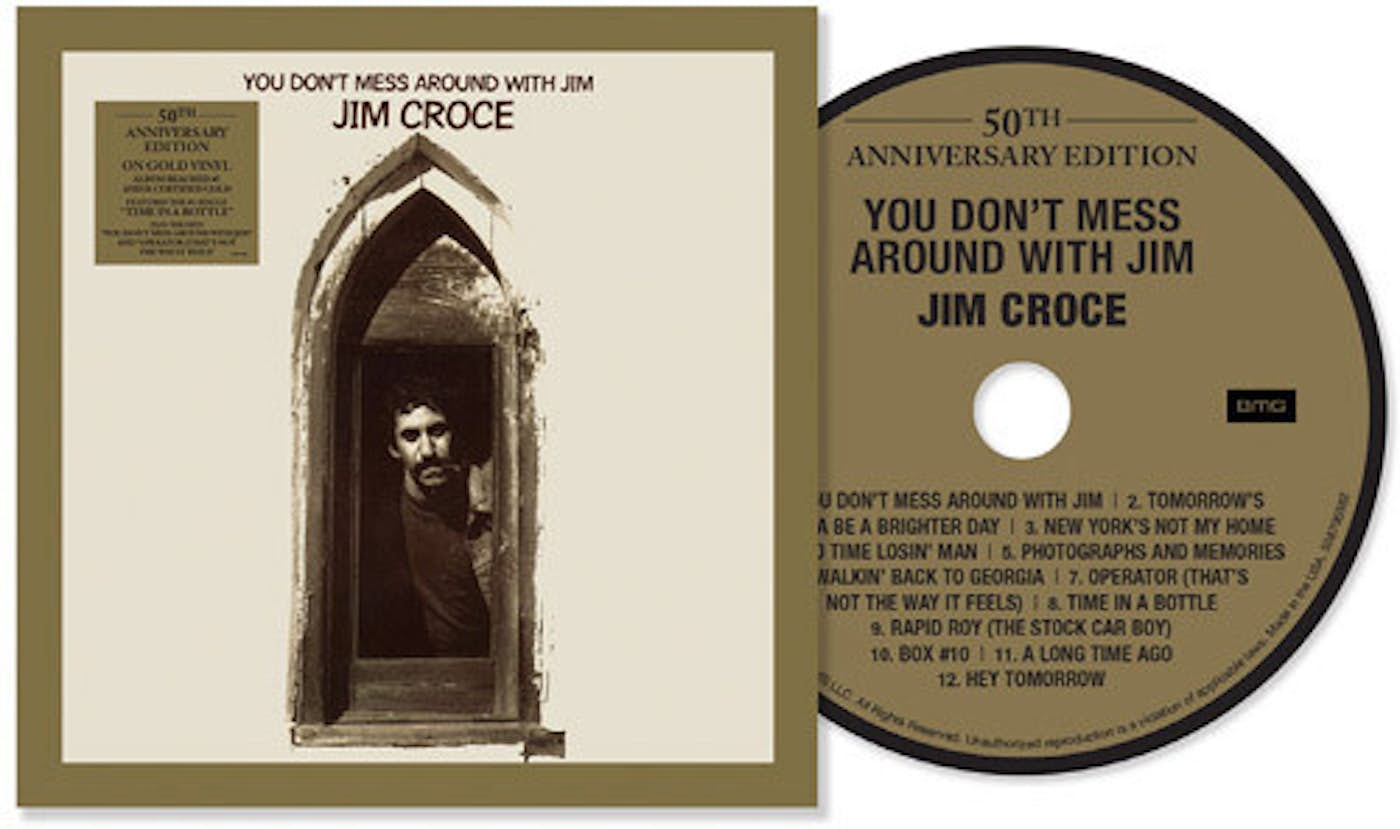
- Check out the 50th Anniversary Remaster: BMG released a 180g vinyl version fairly recently. If you have a decent setup, the separation between Jim’s rhythm guitar and Maury’s lead work is much clearer than on the old digital versions.
- Watch the American Bandstand Footage: You can find clips of Jim performing this on American Bandstand from August 1972. Seeing his "impish grin" and the way he interacts with the audience explains a lot about why he was so beloved.
The song isn't just a 3-minute story about a fight. It's a reminder that no matter how big you are, you've got to stay humble. Because somewhere out there, there's always a "Slim" McCoy looking for his money back.
Next Steps for Your Playlist: Go listen to the live version from The Final Tour. It's raw, faster, and shows just how much chemistry Croce and Muehleisen had on stage before that fateful night in Louisiana.



