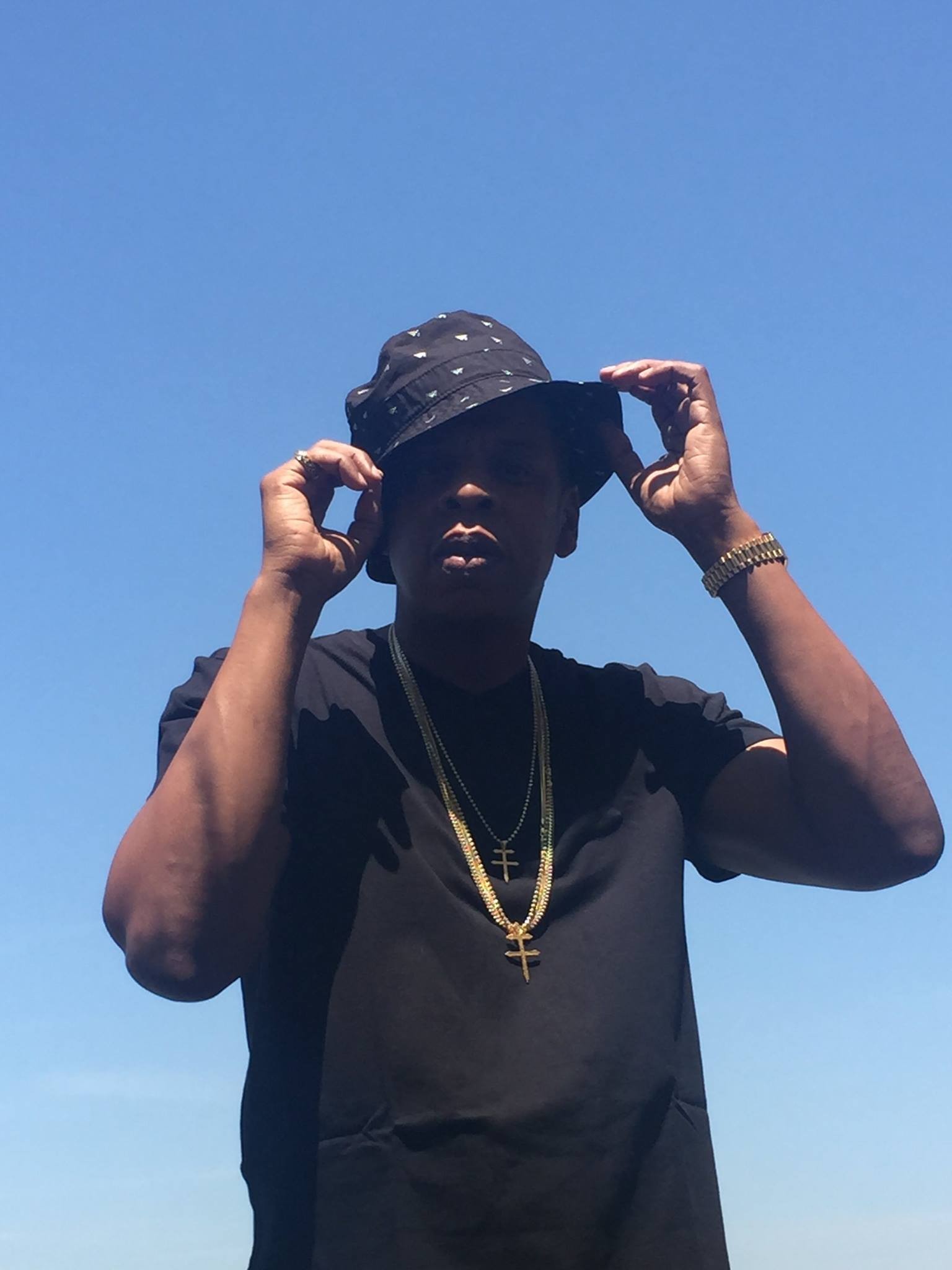
Shawn Carter is a ghost. Well, not literally, but the version of him that exists in the public imagination is a carefully curated hologram. You think you know him because you’ve listened to Reasonable Doubt or followed the headlines about his billion-dollar deals with LVMH and Bacardi. But the reality is that you don't know Jay Z if you're only looking at the surface level of his celebrity. Most people see the rapper who "got lucky" with a few business ventures, but that's a massive misunderstanding of how he fundamentally restructured the relationship between art and capital.
He’s not just a musician who owns a brand. He’s a tactician.
I’ve spent years analyzing the moves of the Marcy Projects graduate, and it’s clear that his trajectory isn't just about talent. It’s about a ruthless, almost cold-blooded understanding of leverage. Most stars want the check; Jay Z wants the ledger. While his peers were buying Ferraris with their first advances, Jay was figuring out how to own the masters of the songs that paid for those cars. It's a different level of thinking entirely.
Why the "Hustler" Narrative is Only Half True
We love a good rags-to-riches story. It’s a classic American trope. The drug dealer who turned his street smarts into corporate boardrooms is the version of Jay Z that everyone is comfortable with. But sticking strictly to that narrative is lazy. It ignores the intellectual heavy lifting he did in the late 90s and early 2000s.
When he couldn't get a record deal, he didn't just keep knocking on doors. He built the house. Roc-A-Fella Records wasn't born out of a desire for independence; it was born out of necessity. But here’s the kicker: he used that independence to create a blueprint for "lifestyle branding" before that term was a corporate buzzword. Think about Rocawear. It wasn't just clothes. It was an extension of a sonic universe. You weren't buying a jacket; you were buying a piece of the story he told on Vol. 2... Hard Knock Life.
Honestly, his most genius move wasn't even the music. It was the exit. Selling his stake in Rocawear for $204 million in 2007 was a masterclass in timing. He saw the shift in the fashion market before the "urban" clothing bubble fully burst. That’s not just "street smarts." That’s high-level market analysis.
The Tidal Gambit and the Power of Ownership
Remember when everyone clowned him for the Tidal launch? The press conference was awkward. The "Avengers of Music" vibe felt out of touch. Critics said it was just "rich people complaining about being slightly less rich."
They were wrong.
If you think Tidal was a failure, you don't know Jay Z. He bought a struggling Swedish tech company (Aspiro) for $56 million. A few years later, after building the brand's prestige and securing exclusive content, he sold a majority stake to Square (now Block, Inc.) for roughly $300 million. He didn't need to beat Spotify. He just needed to create a valuable asset that solved a problem for a bigger player. Jack Dorsey didn't buy a streaming service; he bought a gateway to culture.
Jay Z understands that in the modern economy, the person who controls the culture controls the commerce. He basically treated a tech startup like a piece of high-end real estate—buy low, renovate with "cool," and flip high.
The Nuance of the NFL Deal
This is where people get really heated. His partnership with the NFL through Roc Nation was polarizing, to say the least. Many felt it was a betrayal of the movement started by Colin Kaepernick.
But look at it from a structural perspective. Jay Z’s philosophy has always been "get inside the room." He has stated repeatedly that we've moved past "kneeling" and into "action," which is a debatable point, sure. But his presence changed how the Super Bowl Halftime show functions. By taking over the musical curation, he turned a corporate, often bland performance into a massive celebration of Black music history (think Dr. Dre’s 2022 show).
He’s playing a long game that involves institutional influence rather than just outside protest. Whether you agree with it or not, it's a specific, calculated strategy. It’s the "corporate takeover" he rapped about on The Black Album finally manifesting in real life.
The Liquid Assets: Champagne and Cognac
If you want to understand his wealth, look at his bottles. Armand de Brignac (Ace of Spades) and D'Ussé.
Most celebrities do "endorsement deals." They take a fee, show up at a club, and pose with a bottle. Jay Z doesn't do that. He builds or buys the brand. When he sold 50% of Armand de Brignac to Moët Hennessy (LVMH), it wasn't just a win for him—it was a validation of his entire business model. He took a brand that was virtually unknown in the mid-2000s and made it the gold standard of luxury in hip-hop.
Then there’s D'Ussé. The recent arbitration over the valuation of his stake in the brand showed just how much he’s willing to fight for his worth. He wasn't going to let Bacardi lowball him. The final multibillion-dollar valuation of that brand is staggering. It’s not just about selling booze; it’s about creating a "legacy asset" that can be passed down to his children. He’s obsessed with the idea of "generational wealth," a theme that dominates his later work like 4:44.
The Vulnerability of 4:44
We have to talk about the music, though. For a long time, Jay Z was the "coolest guy in the room." He never let you see him sweat. He was invincible.
Then 4:44 happened.
That album is the most important piece of the puzzle. If you haven't sat with those lyrics, you really don't know the man. He admitted to infidelity. He talked about his mother’s sexuality. He talked about his ego. For the first time, the "God MC" was human. This wasn't just good for his art; it was a brilliant brand pivot. As he aged, he couldn't keep rapping about selling drugs or being the toughest guy on the street. It wouldn't be authentic. By embracing vulnerability, he became the "elder statesman" of the culture. He gave himself permission to grow old in a genre that usually discards its veterans.
What Most People Get Wrong About His "Net Worth"
People see the "$2.5 billion" figure and think it’s just a pile of cash. It’s not. It’s a complex web of holdings.
- Art Collection: He owns Jean-Michel Basquiat’s Air Power and other works that have appreciated significantly.
- Venture Capital: Marcy Venture Partners. He’s investing in everything from electric vehicles to vegan food.
- Real Estate: High-end properties from Bel-Air to New York.
- Catalog: He owns his own masters, which is the ultimate "fuck you" to the traditional record label system.
His wealth is diversified because he knows how fragile fame is. He’s been preparing for "after the rap career" since the day he started the rap career. That level of foresight is rare in any industry, let alone entertainment.
The Actionable Lessons from the Carter Playbook
You don't need to be a billionaire to apply the logic Jay Z uses. His life is essentially a series of case studies in self-actualization.
First, own the infrastructure. If you're a creator, don't just focus on the content; focus on where the content lives. Whether it's a mailing list, a website, or a trademark, ownership is the only path to long-term stability. Jay Z taught us that being "signed" is a temporary state, but being a "partner" is a permanent one.
Second, leverage your "cool" for equity. If you have a following or a skill, don't trade it for a flat fee. Ask for a piece of the pie. Every time Jay Z entered a new industry—sports management with Roc Nation Sports, spirits, tech—he did so by bringing his cultural capital to the table and demanding a seat at the ownership level.
Third, admit your mistakes to move forward. 4:44 proved that honesty is a form of power. By addressing his personal failings, he took the ammunition away from his critics and deepened the bond with his audience. In business and life, trying to appear perfect is a weakness. Being transparent is a strength.
Lastly, think in decades, not days. The move for his masters took years of negotiation. The LVMH deal was the result of fifteen years of brand building. He is the king of the "slow burn."
The truth is, Shawn Carter is still writing his story. Every time we think we've figured him out, he pivots. He’s not just a rapper, and he’s not just a businessman. He’s a bridge between two worlds that used to be separate. If you want to really understand the modern landscape of celebrity and power, you have to look past the "Jay Z" persona and study the architect underneath. He's still playing chess while everyone else is trying to figure out the rules of checkers.
Stay observant. The next move is usually hidden in plain sight.
How to Apply the Jay Z Method to Your Career
- Audit Your Assets: What do you actually own? Not just your salary, but your intellectual property, your brand, and your network.
- Seek Equity Over Fees: Next time you have a major project, investigate if there is a way to take a percentage of the long-term value rather than just a one-time payment.
- Build Your "Room": If you aren't being invited to the tables where decisions are made, start your own table. Create a collective or a platform where you set the rules.
- Pivot with Purpose: Don't be afraid to change your public "vibe" as you gain more experience. Authenticity is more valuable than consistency.