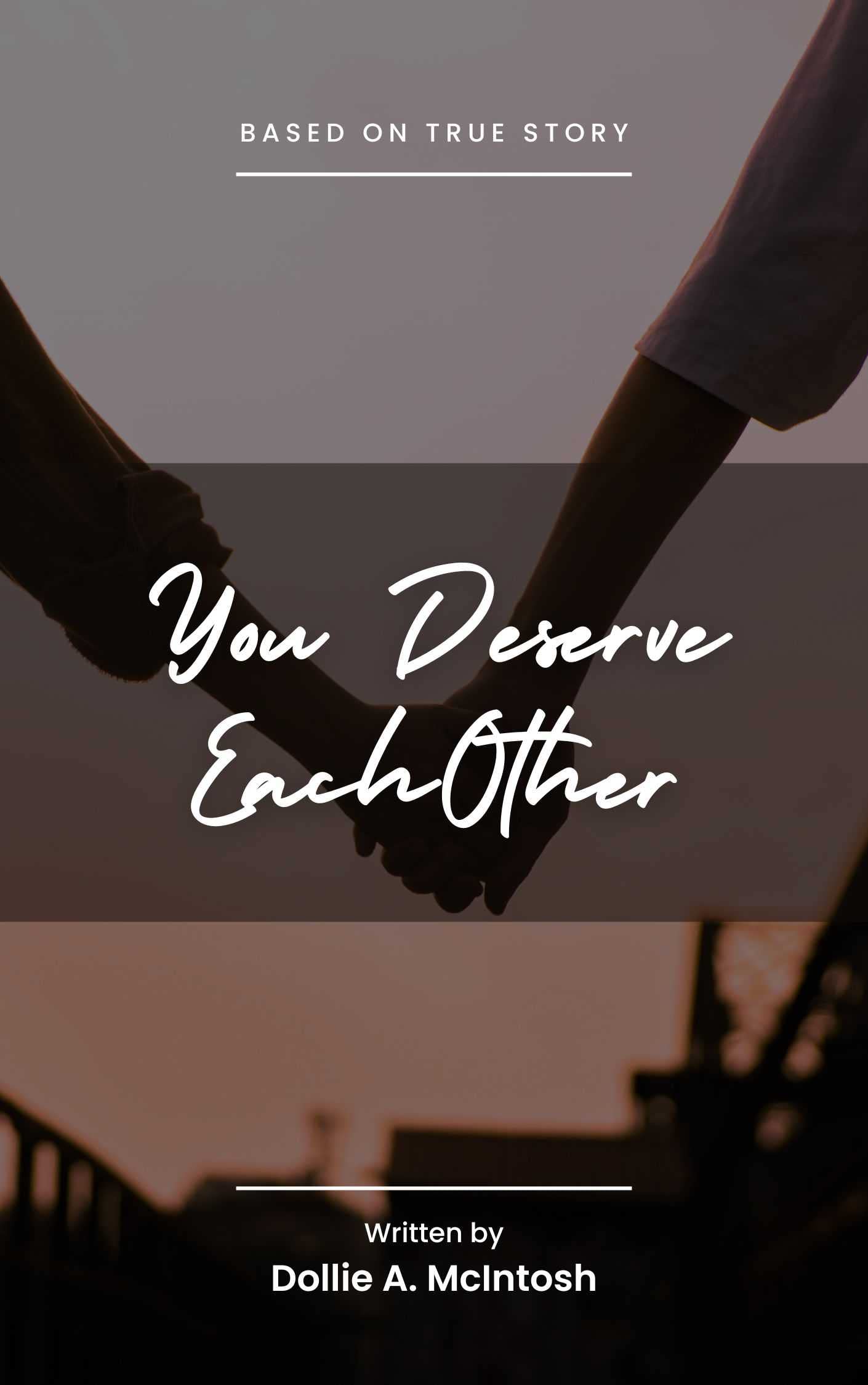
Romance novels usually follow a pretty strict script. Boy meets girl, they fall in love, a misunderstanding tears them apart for exactly ten pages, and then they live happily ever after. Sarah Hogle’s debut novel You Deserve Each Other basically takes that script, shreds it, and throws it out a moving car window. It is chaotic. It is petty. Honestly, it’s one of the most polarizing books in the contemporary romance genre because it starts where most stories end: the miserable "ever after."
We meet Naomi Witt and Nicholas Rose when they are deep in the trenches of a cold war. They are engaged. They are also incredibly unhappy. But here is the kicker—neither one wants to be the person who calls off the wedding because the person who initiates the breakup has to foot the non-refundable bill. So, they embark on a journey of mutual psychological warfare to force the other person to quit first. It’s "How to Lose a Guy in 10 Days" but with much higher stakes and a lot more property damage.
The Problem With "Perfect" Partners
Most people pick up a romance book looking for an escape. They want the billionaire with the golden heart or the grumpy lumberjack who secretly knits sweaters for kittens. You Deserve Each Other gives you Nicholas Rose, a man who, at the start of the book, feels like a cardboard cutout of a "perfect" fiancé. He’s a dentist. He’s polite. He’s wealthy. He’s also boring as hell and lets his overbearing mother, Deborah, run their entire lives.
Naomi is no saint either. She’s cynical, judgmental, and she’s spent months internalizing her resentment until it’s turned into a fine, sharp weapon. She works at a failing junk shop. She feels out of place in Nicholas's polished world. If you read the first fifty pages, you might actually hate both of them. That’s the point. Hogle isn't trying to sell you a fairytale; she’s showing you what happens when two people stop communicating and start performing.
Why the Pettiness Works
The humor in this book is incredibly specific. It’s the kind of humor that comes from being so frustrated you either have to laugh or scream. Naomi starts doing things like buying the most hideous home decor imaginable just to see if Nicholas will complain. He responds by being aggressively, annoyingly "nice."
It’s a game of chicken.
The brilliance of the writing lies in how the tone shifts. It starts as a slapstick comedy of errors. You have Naomi trying to sabotage Nicholas’s expensive hobbies, and Nicholas retaliating with subtle psychological jabs. But then, something weird happens. In the process of trying to annoy each other, they actually start noticing each other again. They stop the performance of being the "perfect couple" and start being their authentic, messy selves.
Breaking Down the Lovers-to-Enemies-to-Lovers Trope
We talk a lot about "Enemies to Lovers," but You Deserve Each Other is a rare example of "Fiancés to Enemies to Lovers." It sounds counterintuitive. How do you go back to loving someone after you’ve spent weeks trying to make them miserable?
The book argues that the "enemies" phase was actually the most honest part of their relationship. Before the prank war, they were polite strangers sharing a bed. During the war, they were finally honest about their dislikes, their fears, and their weird quirks. Nicholas finally stands up to his mother. Naomi finally admits she feels inadequate.
The Deborah Factor
You cannot talk about this book without talking about Deborah. She is the ultimate "monster-in-law" archetype, but Sarah Hogle writes her with such a specific brand of passive-aggression that she feels terrifyingly real. Deborah is the catalyst for a lot of the conflict. She represents the external pressure to maintain appearances.
When Nicholas finally starts choosing Naomi over Deborah’s expectations, the dynamic of the book shifts from petty comedy to a deeply emotional story about choosing your partner every single day, even when they’re being difficult. It’s about the "we" against the "world," even if the "world" is just your mother-in-law’s terrifying Christmas decorations.
Is It Actually Toxic?
This is the big debate in book clubs. Some readers find the behavior in You Deserve Each Other to be toxic. And, yeah, objectively, if your real-life fiancé is hiding your car keys or trying to trick you into a public meltdown, you should probably see a therapist or a lawyer.
But fiction doesn’t always have to be a manual for healthy living.
The book works because it’s an exaggeration of the "sunk cost fallacy." Many people stay in relationships long after the spark has died because they’ve already invested so much time. Naomi and Nicholas represent the extreme version of that. Their path back to each other is paved with pranks, but it’s ultimately built on the realization that they were both miserable for the same reason: they were lonely while standing right next to each other.
The Turning Point
There is a specific scene involving a "lovers' retreat" that changes everything. Without spoiling the specifics, it’s the moment where the pranks stop being mean-spirited and start becoming a way to connect. They find a shared language in their weirdness.
Hogle’s prose during these more tender moments is surprisingly lyrical. She can jump from a joke about a literal "cursed" rose bush to a heartbreakingly beautiful description of what it feels like to be seen for the first time in years. This tonal whiplash is what makes the book feel "human." Our own relationships aren't one-note; they’re a mix of annoyance, boredom, lust, and deep-seated affection.
Why This Book Ranks High for Romance Fans
If you look at Goodreads or BookTok, You Deserve Each Other is constantly recommended alongside titles by Emily Henry or Tessa Bailey. However, it has a sharper edge. It appeals to readers who are tired of the "Instalove" trope.
- Vulnerability through conflict: It shows that sometimes you have to break a relationship down to its studs before you can rebuild it.
- The setting: The small-town atmosphere feels lived-in and slightly surreal.
- The payoff: Because the first half is so fraught with tension, the eventual reconciliation feels earned. It isn't a cheap win.
Actionable Insights for Your Next Read
If you’re thinking about diving into this book, or if you’ve read it and want something similar, keep these things in mind.
- Check your expectations at the door. If you want a sweet, cozy romance from page one, this isn't it. You have to be willing to sit with the discomfort of two people being genuinely mean to each other for a while.
- Look for the subtext. Nicholas’s "perfection" is his own prison. Once you realize he’s just as trapped as Naomi, his actions become a lot more sympathetic.
- Read for the character growth. This isn't just about a wedding; it’s about two people learning how to be individuals within a partnership.
- Explore the "Second Chance" genre. If you enjoyed the rebuilding aspect, look for books that focus on established couples rather than just the "meet-cute." It’s a growing subgenre that offers a lot more emotional depth.
- Don't ignore the humor. The book is genuinely funny. If you find yourself laughing at the absurdity of their situation, you’re reading it exactly as Hogle intended.
The reality of long-term commitment is that sometimes you won't like your partner very much. You might even feel like you "deserve each other" in a negative sense. But as Naomi and Nicholas discover, "deserving each other" can also mean being the only two people in the world who truly understand each other’s brand of crazy. It’s a messy, loud, prank-filled version of love, and honestly, it’s a lot more interesting than a perfect fairytale.
To get the most out of this story, pay attention to the small shifts in Nicholas’s perspective that Naomi misses because she’s so blinded by her own anger. The moment he starts laughing with her instead of at her is the moment the book transforms from a comedy of spite into a genuine romance. It’s a reminder that even in the most stagnant relationships, there is usually a spark left—you just might have to burn everything else down to find it.



