It is a specific kind of gravity. You feel it the second you cross the state line, whether you’re heading north from Texas on I-35 or coming down through the Ozarks. It’s the way the light hits the blackjack oaks at 5:00 PM—that weird, golden-orange glow that makes everything look like an old Polaroid. People say you can't take the home out of Oklahoma, and honestly, it’s not just a cliché you see on a Hallmark card or a souvenir t-shirt at a Love’s Travel Stop. It’s a biological reality for anyone who grew up under that massive, terrifying, beautiful sky.
Oklahoma is a place of extremes. You’ve got the wind that never, ever stops. You’ve got the weather that wants to kill you three months out of the year. But you also have a sense of community that is so thick it’s almost claustrophobic in the best way possible. When people leave—and they do leave, heading for Austin or Denver or NYC—they carry this internal compass that always points back to red dirt. It’s a grit thing.
The Red Dirt Psychology
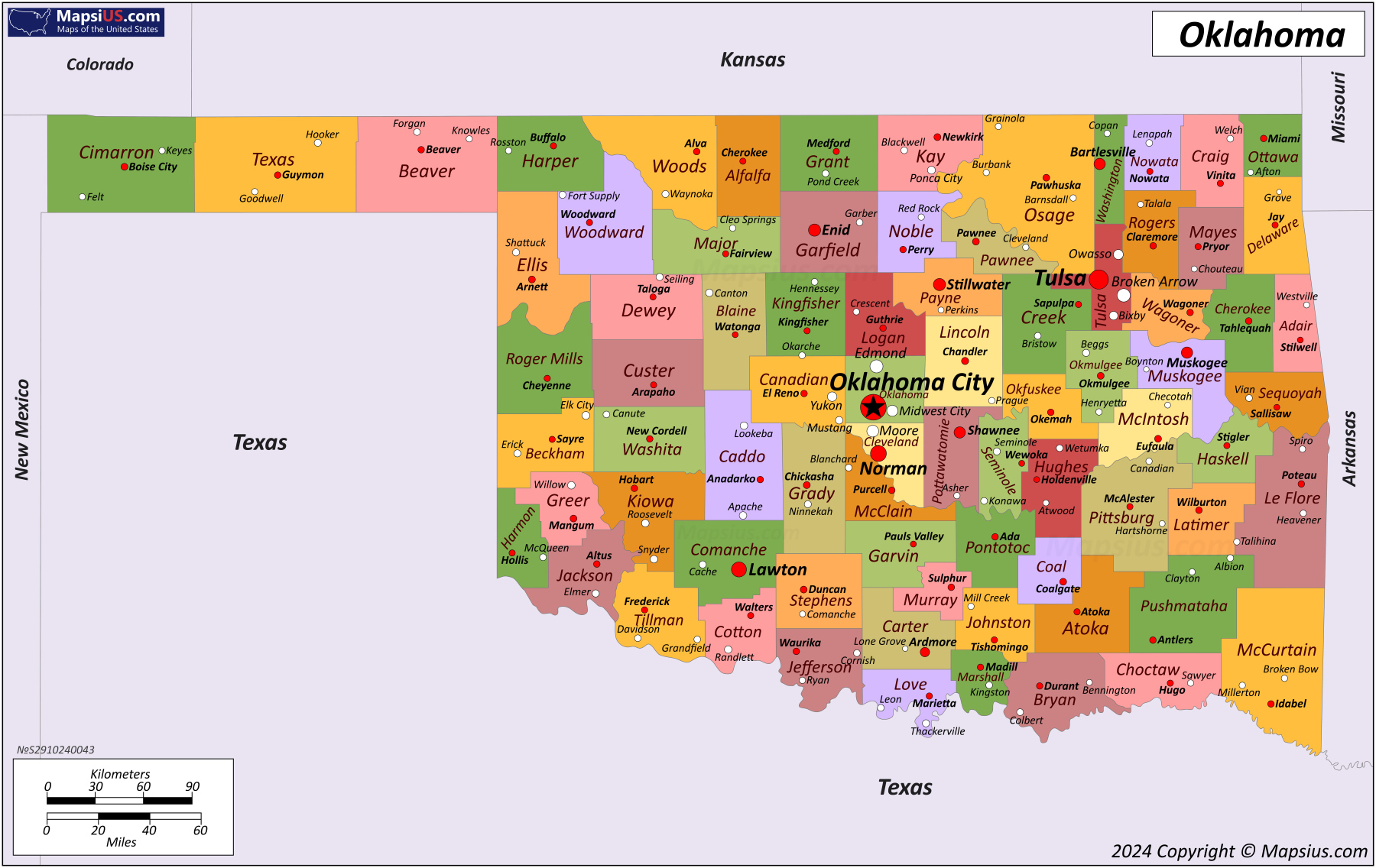
What is it about this specific patch of the Great Plains? Geologically, Oklahoma is a mess, and I mean that lovingly. You’ve got the mesas in the Panhandle, the ancient Wichita Mountains, and the swampy cypress forests in the southeast. But the heart of the "home" feeling is the red dirt. That Permian-age shale and sandstone isn't just dirt; it stains your shoes, your tires, and apparently, your soul.
When people talk about how you can't take the home out of Oklahoma, they’re usually talking about resilience. This is a state built on the Land Run—a chaotic, ethically complicated, and frantic grab for a future. It’s a state that survived the Dust Bowl. It’s a state that rebuilt after the 1995 bombing. That "Oklahoma Standard" isn't some PR slogan cooked up by a firm in OKC; it’s the guy who pulls over his truck in a blizzard to help a stranger change a tire without saying more than four words.
There’s a humility here that stays with you. You can move to a penthouse in Manhattan, but the second you see a thunderhead on the horizon, your brain still instinctively looks for the nearest interior room or storm cellar. You can't outrun that instinct.
That Sound You Hear? It's Home.
Music is probably the biggest export of the Oklahoma spirit. Think about Leon Russell, Woody Guthrie, Reba, or even someone like Zach Bryan today. There is a specific "Red Dirt" music genre that started in Stillwater—at a place called The Farm—that basically defines the idea that you can't take the home out of Oklahoma.
It’s messy music. It’s country mixed with rock, mixed with folk, mixed with a little bit of desperation. It sounds like a Friday night in a town with one stoplight.
- It's the honesty in the lyrics.
- The lack of polish.
- That weirdly specific Oklahoma accent that isn't quite Southern and isn't quite Midwestern—it's just "flat."
I remember talking to a musician who had moved to Nashville. He told me he couldn't write songs there. He said the air was too "soft." He needed the Oklahoma wind to actually feel something. He eventually moved back to a ranch outside of Tulsa because the songs stopped coming when he wasn't surrounded by the scenery that shaped him.
The Culinary Tether: Onion Burgers and Braum’s
Let’s be real. A huge part of why you can't take the home out of Oklahoma is the food. Specifically, the stuff you can't get anywhere else.
Have you ever tried to explain a legitimate El Reno-style onion burger to someone from California? You can’t. You have to experience the way the onions are smashed into the meat until they caramelize into a singular, greasy unit of perfection. Whether it's Sid's or Robert's, it's a religious experience.
And then there's Braum’s.
Braum’s is the ultimate litmus test for Oklahomans living abroad. Because they only open stores within a 300-mile radius of their farm in Tuttle to ensure "freshness," the second you leave that circle, you’re in a Braum’s desert. I know people who plan their entire holiday travel routes based on where the first Braum’s appears on the highway. It’s more than ice cream; it’s a checkpoint. It tells you that you’re safe. You’re back.
The Conflict of Leaving
Not everything is sunflowers and Scissortail flycatchers. A lot of people leave Oklahoma because they feel they have to. Maybe it’s politics, maybe it’s the lack of certain industries, or maybe they just hate the humidity. But there is a unique brand of "Oklahoma guilt" that follows them.
The state has a way of making you feel like a traitor for moving away, but also welcoming you back with zero questions asked the moment you return. It’s a weird paradox. You see it in the way expats congregate in "Oklahoma bars" in big cities to watch Sooner or Cowboy football. They might live in a different time zone, but on Saturdays, they are right back in Norman or Stillwater.
Breaking Down the "Oklahoma Standard"
We hear the term "The Oklahoma Standard" a lot. It usually comes up during disasters. When the Moore tornadoes hit—pick any year, 1999, 2013—the response isn't just "thoughts and prayers." It’s thousands of people with chainsaws and lifted trucks showing up before the sirens even stop.
This neighborliness is the core of why you can't take the home out of Oklahoma. Once you’ve lived in a place where your neighbors actually check on you when the sky turns green, you realize how rare that is. You take that expectation of kindness with you. You become the person in the big city who holds the door open a little too long or says "hi" to people in the elevator who would rather die than make eye contact. You're an Oklahoman. You can't help it.
Cultural Nuance and the Tribal Connection
You cannot talk about Oklahoma being "home" without acknowledging the 39 sovereign tribal nations that call this land home. This isn't just "Indian Territory" in a historical sense; it is a living, breathing part of the state's identity today.
From the Cherokee Nation in Tahlequah to the Choctaw in Durant and the Osage in Pawhuska, the indigenous influence is baked into the dirt. It affects the art, the law, the economy, and the very names of the towns we live in. For many, the reason you can't take the home out of Oklahoma is because their ancestors were forced here on the Trail of Tears, and they turned a place of exile into a place of power and endurance. That history creates a gravity that is incredibly hard to pull away from.
The Horizon Problem
When you live in Oklahoma, you get used to seeing 20 miles in every direction. There’s a psychological openness that comes with that.
People who move to the mountains or heavily forested areas often feel a sense of "enclosure anxiety." They miss the horizon. They miss seeing the storm coming from three counties away. That need for space, for a wide-open view of the world, is something that stays in your bones.
Why the Identity Sticks
Is it the cost of living? Maybe a little. It's nice to be able to buy a house without selling a kidney. But that’s a practical reason, not an emotional one.
The emotional reason is that Oklahoma is a "big small town." Everyone is separated by about two degrees. You know someone who knows someone. It creates a safety net of familiarity. Even in Oklahoma City or Tulsa, which are legitimate metropolitan hubs with world-class museums (like the Gathering Place or First Americans Museum), you still run into your third-grade teacher at the grocery store.
Living the Oklahoma Legacy
So, how do you actually live out the idea that you can't take the home out of Oklahoma if you aren't living there anymore? Or even if you are?
It’s about maintaining that specific brand of "unpolished excellence." It’s about being the person who works hard but doesn't feel the need to brag about it. It's about keeping a little bit of that red dirt grit in your personality, no matter where you end up.
Actionable Steps for the Oklahoma Expat (or Resident)
If you find yourself missing the 405 or the 918, or if you just want to deepen your connection to the state, here is how you keep that "home" feeling alive:
- Support Local Creators: Follow Oklahoma artists and writers. Read Rilla Askew or watch films by Sterlin Harjo. Their work captures the nuance of the state better than any travel brochure ever could.
- Keep the Traditions: Learn how to make a proper fry bread or an onion burger at home. The smell alone will transport you back to a state fair or a roadside diner in an instant.
- Stay Weather Aware: It sounds funny, but following Oklahoma meteorologists (the local celebrities of the state) during storm season is a ritual for many who have moved away. It keeps you connected to the rhythm of the land.
- Invest in the Community: If you've moved away, consider donating to Oklahoma-based non-profits like the Regional Food Bank of Oklahoma or local tribal initiatives. It keeps your roots nourished.
- Visit the "Other" Oklahoma: If you’re a lifer, get out of your bubble. If you’re from OKC, go spend a weekend in the Kiamichi Mountains. If you’re from Tulsa, go see the Salt Plains. Remind yourself why the "home" feeling is so diverse and vast.
Oklahoma isn't just a place you're from. It's a way of looking at the world—with a little bit of caution for the wind, a lot of respect for your neighbor, and a soul that's always just a little bit stained by the red dirt.