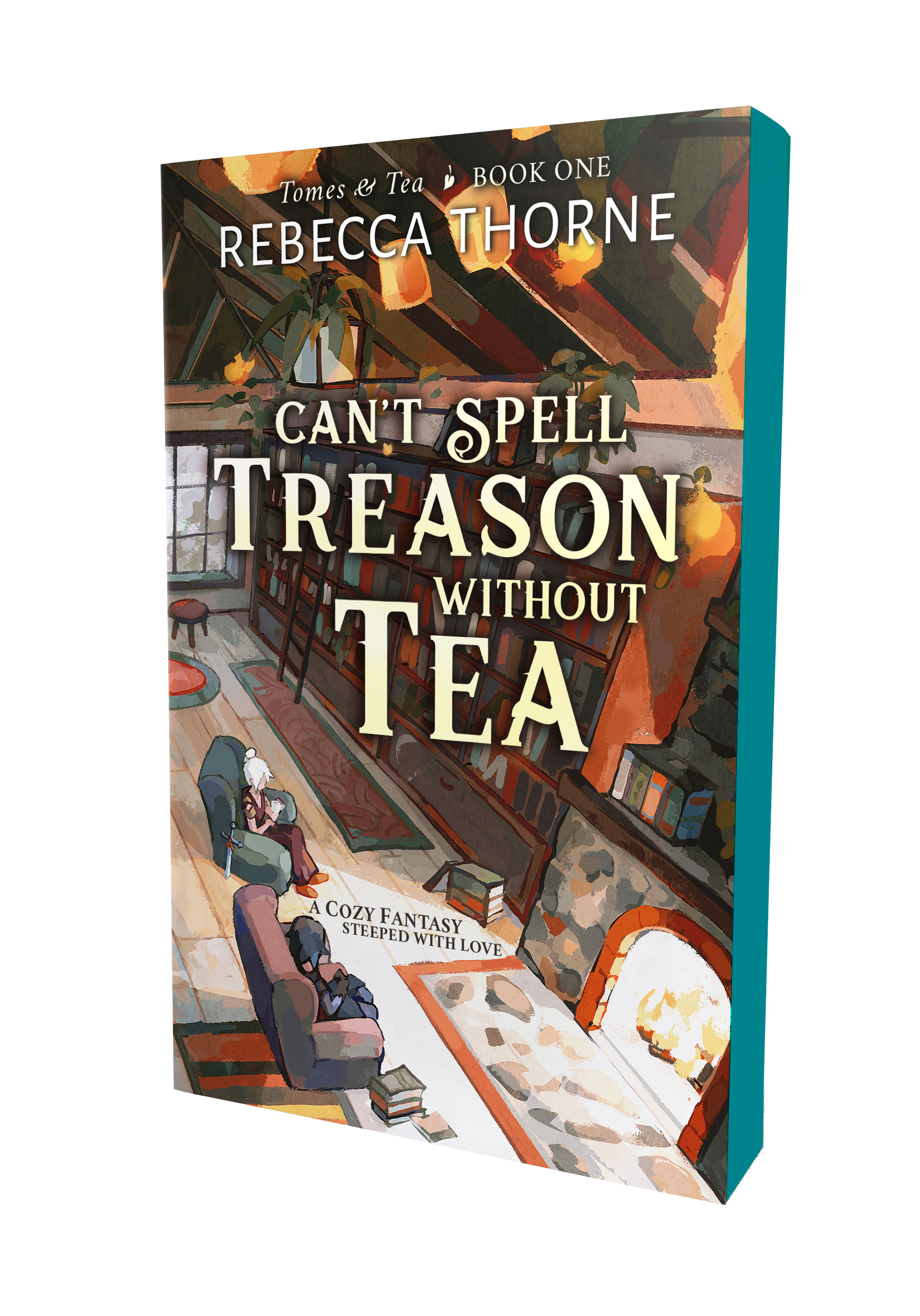
If you’ve spent more than five minutes scrolling through Etsy or wandering around a historical gift shop in Boston, you’ve seen it. It’s on the mugs. It's on the cross-stitch patterns. It’s plastered on t-shirts worn by people who really, really like Earl Grey and historical irony. The phrase you can’t spell treason without tea is basically the unofficial mascot of American Revolutionary humor. It’s a linguistic coincidence that feels almost too perfect to be an accident of the English language.
But why does this silly pun resonate so much? Honestly, it’s because it hits on the fundamental tension of the 1770s. For the British Crown, dumping crates of Bohea and Congou into the harbor wasn't just a protest; it was a violent destruction of private property and a direct affront to the King. It was, by every legal definition of the time, treason. For the colonists, it was just Tuesday. Well, a very cold Thursday in December, actually.
The Pun That Bridges Two Centuries
Let’s be real for a second. The phrase can't spell treason without tea is a relatively modern invention. You won’t find Samuel Adams or John Hancock scribbling this in their diaries. They were a bit too busy worrying about being hanged by the neck to make "dad jokes" about the spelling of their crimes. However, the sentiment is 100% authentic to the era.
The word "treason" carries a heavy weight. Under the Treason Act of 1351—which was very much still the law of the land during the American Revolution—levying war against the King or "adhering to the King's enemies" was a death sentence. To the British, the Boston Tea Party wasn't a quirky themed event. It was a felony.
Why Tea Was the Target
Tea wasn't just a drink in 1773. It was a symbol of global trade, British identity, and, most importantly, the East India Company’s monopoly. When the Tea Act was passed, it wasn't actually a new tax that made tea more expensive; it was a move to bail out a struggling company and undercut colonial smugglers. The colonists weren't just mad about the price. They were mad about the principle.
They saw the tax as a "badge of slavery." If Parliament could tax their tea without their consent, what was next? Their land? Their homes? Their very lives? By targeting the tea, they weren't just making a mess. They were striking at the heart of the British economy.
The Boston Tea Party: A "Treasonable" Act of Vandalism
On December 16, 1773, a group of men—some poorly disguised in blankets and soot—boarded the Dartmouth, the Eleanor, and the Beaver. They weren't there to steal. They were there to destroy. They smashed open 342 chests of tea. That’s roughly 92,000 pounds of the stuff. In today’s money, we’re talking about over a million dollars worth of product floating in the salty Atlantic.
You can't spell treason without tea, and the British government certainly agreed. King George III didn't see a "protest." He saw a rebellion. The response was the Coercive Acts, which we Americans know as the Intolerable Acts. They shut down the port of Boston. They moved trials to England. They essentially put Massachusetts under military rule.
This was the "find out" phase of the Revolution. The British thought that by crushing Boston, they would scare the other colonies into submission. Instead, they just proved that the "treason" was spreading.
The Linguistic Quirk
It is genuinely funny that the word treason (from the Old French traison) happens to contain the letters T-E-A in that exact order. Language is weird like that. If the colonists had dumped coffee, the pun would have died a silent death. "You can't spell treason without... fee?" Doesn't work. "Cof-treason?" Even worse. The tea was the perfect medium for both the crime and the 21st-century meme.
Why We Still Love the Joke
History is usually taught as a series of dry dates and dusty portraits. Puns like can't spell treason without tea humanize the past. They remind us that the Founding Fathers were, in many ways, the original "trolls." They knew how to provoke. They knew how to use symbolism to get a message across.
Today, the phrase has become a staple of "Dark Academia" aesthetics and history nerd culture. It’s a way of saying, "I know my history, but I’m not stuffy about it." It also taps into a weirdly specific American pride: the idea that our country was founded on a massive act of property damage and a refusal to pay for a drink we actually liked.
The Cultural Impact of the Pun
- Merchandise: It is the top-selling slogan for history-themed apparel on platforms like Redbubble and Amazon.
- Social Media: On July 4th, you can bet your bottom dollar this phrase trends on X (formerly Twitter) and Instagram.
- Education: Teachers often use the pun to help middle schoolers remember the specific catalyst for the Intolerable Acts.
The "Treason" That Built a Nation
Is it actually treason if you win? That’s the age-old question. Benjamin Franklin famously said, "We must all hang together, or most assuredly we shall all hang separately." He knew the stakes. He knew that the "tea" they were messing with was the fuse on a powder keg.
When we say you can’t spell treason without tea, we’re acknowledging that the birth of the United States was messy. It wasn't just polite debates in Philadelphia. It was riots. It was smuggling. It was a group of people deciding that their rights were worth more than their loyalty to the most powerful empire on Earth.
The Shift to Coffee
An interesting side effect of this "treason" was the American shift to coffee. After the Tea Party, drinking tea was seen as unpatriotic. John Adams famously wrote to his wife, Abigail, that he had to "wean" himself off tea and get used to coffee. The "treason" was so effective it literally changed the caffeine habits of an entire continent. To this day, the U.S. is a coffee-first nation, all because a few guys decided to make a giant pot of "saltwater tea" in 1773.
Actionable Insights for History Buffs and Pun Lovers
If you're looking to dive deeper into the history behind the pun or want to use the phrase in your own life, here is how to do it with a bit of "expert" flair.
Visit the Source Don't just read about it. Go to the Boston Tea Party Ships & Museum. You can actually throw "tea" into the harbor yourself. It’s cathartic. It’s touristy. But it’s also a great way to feel the scale of the event. Seeing how big those chests actually were makes you realize the physical labor involved in that night of treason.
Get the Nuance Right When someone uses the phrase can't spell treason without tea, remind them that the "treason" wasn't just about the tea itself. It was about the East India Company. Most people forget that the company was a "too big to fail" entity that the British government was desperately trying to save. The Revolution was as much a corporate protest as it was a political one.
Support Small History Instead of buying a mass-produced "treason" shirt from a giant retailer, look for museum gift shops or independent artists who specialize in historical accuracy. Many historical societies sell unique items that fund the preservation of actual Revolutionary sites.
Read the Primary Sources If you really want to understand the "treason," read the Boston Gazette reports from December 1773. The language is flowery, intense, and deeply passionate. You’ll see that they didn't need puns back then—their insults were way more sophisticated than ours.
Host a "Treasonable" Tea Party Host a tasting of the actual types of tea dumped in the harbor: Souchong, Hyson, and Bohea. It’s a great way to bring the history to life. Just... maybe don't dump it in your neighbor's pool. The local authorities might not appreciate the historical reenactment as much as your friends will.
Ultimately, the phrase you can’t spell treason without tea works because it’s a simple truth wrapped in a clever package. It reminds us that big changes often start with small, defiant acts. And sometimes, those acts involve a lot of caffeine and a very cold harbor.



