You’ve probably seen the name Stephen King plastered over a hundred different movie posters. Usually, it says "Based on the Novel by." But back in 2012, a low-budget indie flick turned that tradition on its head. It didn’t adapt a book. Instead, it turned the author himself into a sort of mythical, untouchable figure.
You Can't Kill Stephen King is a weird piece of cinema. It’s a meta-slasher.
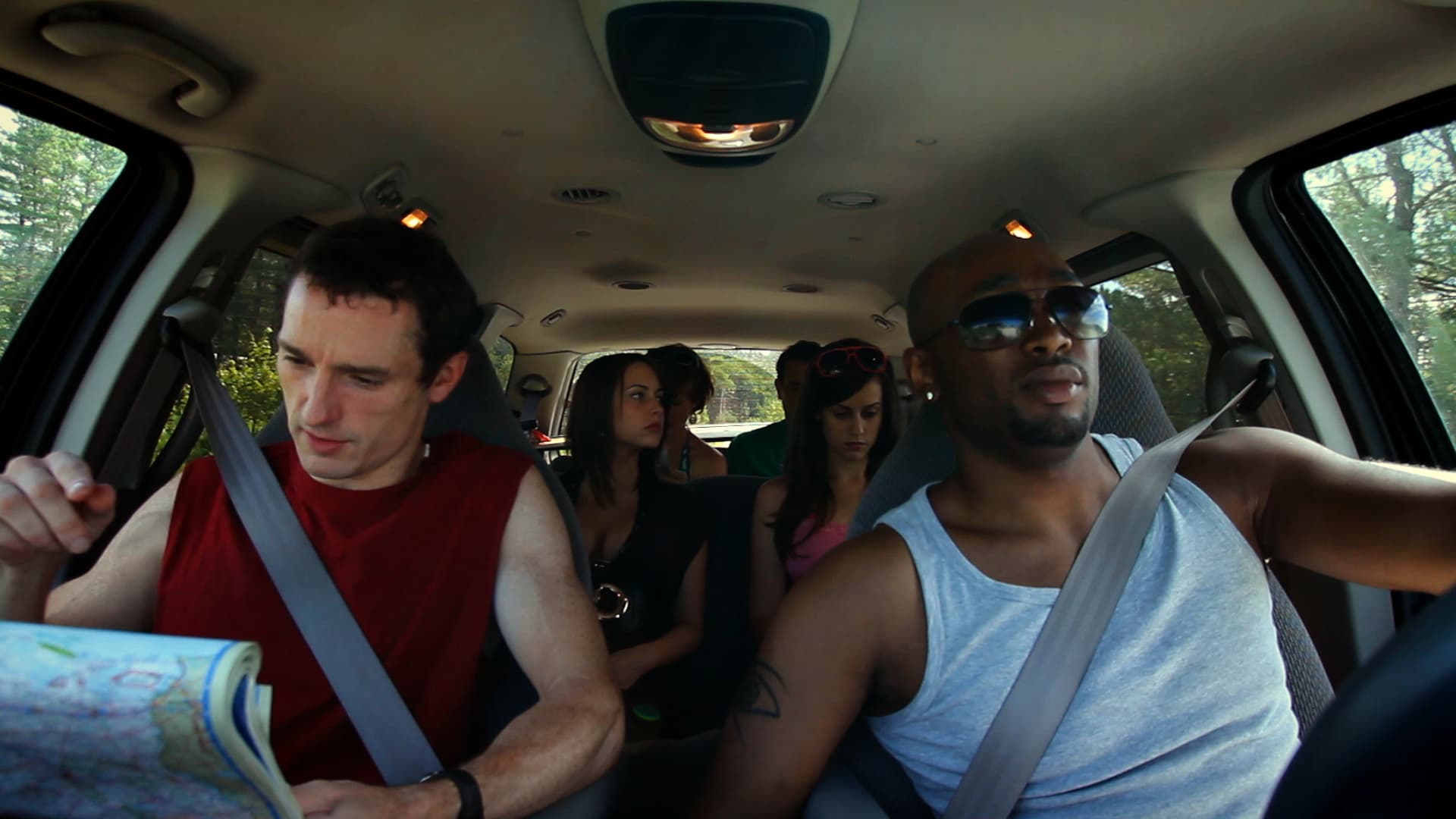
Imagine a group of friends—the standard horror archetypes—trekking out to a lake in Maine. They aren't there for a vacation, though. They are obsessed fans. They want to find the man, the myth, the legend: Stephen King. What follows is a bloodbath that plays with the tropes King made famous while trying to answer a very literal question posed by the title.
Honestly, the film feels like a fever dream born from a late-night Reddit thread. It’s campy. It’s DIY. It’s got that specific 2010s "we have a DSLR and a dream" energy. But for anyone who grew up reading IT or Cujo, there’s a layer of self-aware fun here that most polished Hollywood reboots completely miss.
What You Can't Kill Stephen King Is Actually About
The plot is deceptively simple. Six friends drive to a remote town in Maine. They’ve heard rumors that Stephen King lives nearby. They start poking around, asking locals questions that nobody wants to answer. It’s the classic "don't go into the woods" setup, but fueled by literary stalker-vibes.
Monroe Mann, who directed, co-wrote, and starred in the film, leans hard into the "Maine" of it all. The locals are hostile. The atmosphere is thick with dread. But the "villain" isn’t necessarily a supernatural entity or a clown in a sewer. The movie plays with the idea that the rules of horror movies—the very rules King helped define—are being used against the characters.
It’s meta. Very meta.
Think about Scream, but instead of being obsessed with movies, everyone is obsessed with paperbacks and Maine lore. The characters are named after King's own creations or inspirations. You see the nods everywhere. A girl named Carrie? Check. A guy named Ronnie (a nod to Ronald Stuffy/King's pseudonyms)? Sure. It’s a giant Easter egg hunt that eventually turns into a survival horror story.
Why This Movie Exists (And Why It’s Not a Biopic)
People often get confused when they see the title on a streaming service. They think it's a documentary. Or maybe a biography about King’s 1999 roadside accident where he almost died. It’s neither.
The film was shot on a shoestring budget. We’re talking independent filmmaking in its rawest form. Because of this, the production quality is... let's say "charming." It has that grainy, digital look of the early 2010s. But that works in its favor. It feels like a found-footage film that forgot to be found-footage. It feels like something you’d find on a dusty DVD shelf in a cabin in the woods.
The creators actually went to Maine to film this. That’s commitment. They used the actual geography of the region to sell the isolation. They didn't have the rights to King's actual image—obviously—so they had to be clever. The movie treats King like a ghost or a god. He’s always just out of reach. He’s a presence that looms over every scene without actually having to show up and ask for a royalty check.
The Reception: Cult Hit or Forgotten Flop?
Let’s be real. This isn't The Shawshank Redemption. When You Can't Kill Stephen King hit the festival circuit, critics were split. Some loved the audacity of the title and the meta-commentary. Others found the acting stiff and the pacing a bit wonky.
On Rotten Tomatoes or IMDb, the scores aren't exactly breaking records. But that’s missing the point of "outsider art." This is a movie made by fans, for fans. It’s a love letter written in corn syrup and red food coloring.
The film won some awards at smaller festivals, like the Lewiston Auburn Film Festival. Why? Because Maine loves Stephen King. And they love seeing their state portrayed as a place where anything—no matter how bizarre—can happen. It captured a specific moment in the "meta-horror" wave before everything became too polished and corporate.
Key Cast and Crew
- Monroe Mann: Director, Writer, Actor (played Lamont).
- Ronnie Khalil: Director, Writer, Actor (played Ronnie).
- Crystal Arnette: Played the character Kelli.
- Kayle Blogna: Played Nicole.
These aren't household names. But in the world of independent horror, they managed to do something most people only talk about: they finished a feature film and got it distributed. That’s a win.
The "King" Rules: How the Movie Uses Horror Tropes
One of the best parts of the movie is how it deconstructs the "Rules of Stephen King." In the film, characters literally discuss how to survive based on what they've read in his books.
- Don't trust the locals. In King's world, the small-town mechanic usually knows too much or is part of a cult. The movie leans into this heavily.
- Maine is a character. The setting isn't just a backdrop; it’s an antagonist.
- The "Everyman" protagonist. No one is a superhero here. They are just regular, slightly annoying people who find themselves in over their heads.
The kills are practical. No CGI monsters here. It’s all old-school practical effects, which gives it a visceral, "slasher" feel that modern horror sometimes lacks with its over-reliance on digital blood splatter.
Legal Hurdles and the Title Choice
You might wonder how they got away with using his name. In the U.S., you can’t really copyright a person’s name in a title if it’s a work of fiction and doesn't imply a false endorsement. The filmmakers were careful. They aren't claiming King wrote it. They aren't claiming he’s in it (mostly).
The title is a provocation. It’s a marketing masterstroke. It grabs your attention immediately. "Wait, someone tried to kill Stephen King?" No, but the idea of him is immortal. That’s the core philosophy of the movie. You can’t kill the King of Horror because his stories have already infected the culture. He lives in the Maine mist and the red balloons and the haunted hotels of our collective imagination.
Where Can You Watch It Now?
Finding this movie today can be a bit of a hunt. It pops up on ad-supported streaming services like Tubi or Freevee every now and then. Sometimes it’s on Amazon Prime Video for a few bucks.
It’s the kind of movie you watch with friends and a few pizzas. You don't watch it for high art. You watch it to see how many King references you can spot before the first character gets axed. Look for the "No Trespassing" signs. Look for the way the camera lingers on certain landmarks. It’s all there.
Is It Worth the Watch?
If you are a casual horror fan, maybe skip it. You might find the low budget distracting.
But if you are a King completist? You have to see it. It’s a fascinating artifact of fan culture. It represents a time when fans didn't just write fan fiction; they grabbed a camera and went to Maine to make a statement. It’s weird, it’s clunky, and it’s genuinely unique.
There are hundreds of movies based on King’s work. There is only one movie about the impossibility of "killing" his influence.
Your Next Steps for Exploring Meta-Horror
To get the most out of this niche subgenre, you should look beyond the mainstream blockbusters. Start by looking into other "meta" slashers that broke the fourth wall before it was cool.
- Check out 'Behind the Mask: The Rise of Leslie Vernon': This is the gold standard for meta-horror. It treats slasher villains like real-life professionals.
- Research the filming locations: If you’re ever in Maine, visiting the towns around Lewiston and Auburn gives you a real sense of the atmosphere the filmmakers were trying to capture.
- Read 'On Writing' by Stephen King: To understand why the fans in the movie are so obsessed, read King’s own take on his life and craft. It explains the "mythos" better than any documentary could.
- Watch 'The Last Broadcast': If you liked the low-budget, investigative feel of the first half of the King movie, this 1998 film is a must-see for early indie horror fans.



