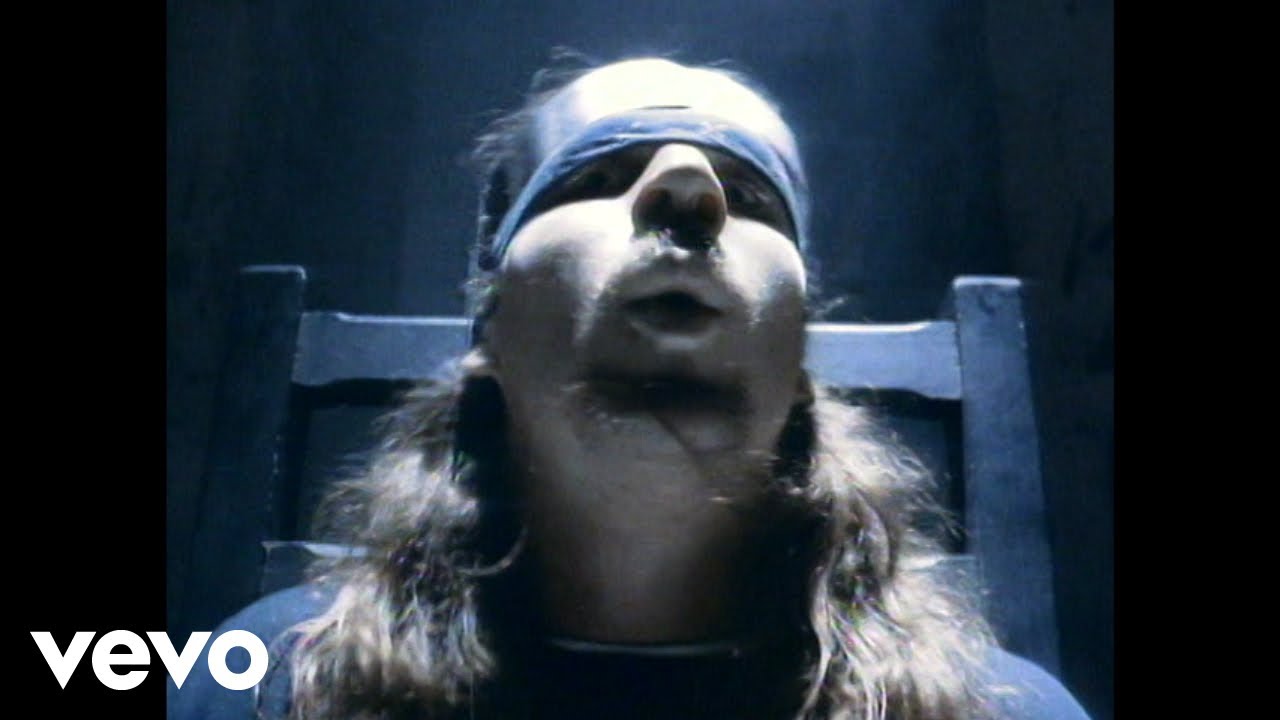
Music history is littered with songs about standing your ground. But honestly, most of them feel like posturing. Then you have Suicidal Tendencies. When Mike Muir snarled the opening lines of you can't bring me down back in 1990, it wasn't just a thrash metal track. It was a cultural pivot point.
It's raw. It's messy. It's exactly what happens when Venice Beach skate culture crashes head-first into a courtroom-level defense of personal expression.
If you grew up in the late 80s or early 90s, you remember the "Satanic Panic" and the PMRC (Parents Music Resource Center). Music wasn't just entertainment; it was a battlefield. This song was the frontline.
The Day the Mainstream Tried to Cancel Mike Muir
Context is everything. You have to understand that in 1990, Suicidal Tendencies was being looked at through a very narrow lens. People saw the bandanas and the "Suicidal" moniker and immediately thought "gangs" or "cults."
They were wrong.
The song you can't bring me down serves as a nearly six-minute middle finger to institutionalized labeling. It’s the lead track from Lights... Camera... Revolution!, and it changed the trajectory of crossover thrash.
Most people get this song wrong. They think it's just about being "tough." It's not. It’s actually a very articulate—if aggressive—critique of hypocrisy. Muir spends the first half of the song basically laughing at the people trying to categorize him.
He speaks. He doesn't just sing. That mid-track monologue? That’s where the magic is. He talks about how people call him "crazy" because they can't understand his reality. It’s a classic "us vs. them" narrative, but it’s grounded in the actual lived experience of a kid from Venice who saw the world differently than the suits in D.C.
Technical Brilliance Hiding Under the Chaos
Rocky George is a name that doesn't get mentioned enough in "Greatest Guitarist" conversations. That’s a mistake.
While the lyrics are the soul of the song, the composition is a masterclass in tension. The opening bass line from Robert Trujillo—yeah, the same Trujillo who’s been in Metallica for decades—is iconic. It’s sinister. It builds this sense of dread that eventually explodes into one of the most recognizable riffs in metal history.
Why the Structure Works
- It starts with a slow, brooding atmosphere.
- It shifts into a high-speed thrash rhythm.
- There’s a sudden breakdown for Muir’s spoken-word sections.
- The soloing is melodic yet chaotic, bridging the gap between jazz-inflected metal and pure punk energy.
The song is over five and a half minutes long. For a "punk" band, that’s an eternity. Usually, punk tracks are two minutes of noise. This was a symphony of frustration.
That Infamous Video and the MTV Era
You couldn't turn on Headbangers Ball without seeing the video. It was ubiquitous.
Filmed in a way that felt like a documentary, it showed the band in their element. Bandanas, flip-caps, and sheer intensity. It gave a face to a subculture that the mainstream media was actively trying to demonize.
The visual of Mike Muir pointing his finger at the camera while yelling "You can't bring me down!" became a shorthand for teenage rebellion. But it wasn't the "I'm gonna break my curfew" kind of rebellion. It was the "I am an individual and you cannot break my spirit" kind.
There's a reason this song resonated with skaters, metalheads, and even hip-hop fans. It was universal.
The Legacy of the "Suicidal" Sound
What most people miss about you can't bring me down is its influence on the genres that followed. You don't get the Nu-Metal explosion of the late 90s without Suicidal Tendencies. You don't get the genre-blending of bands like Body Count or even Limp Bizkit.
Muir proved you could be heavy, smart, and street-wise all at once.
The song also marked a shift in how bands handled controversy. Instead of apologizing or "toning it down," Muir doubled down. He invited the criticism and then mocked it. This "defiant transparency" is something we see today in how artists handle social media "cancellation."
In 2026, the song still sounds fresh. The production on Lights... Camera... Revolution! was handled by Mark Dodson, who had worked with Anthrax and Judas Priest. He gave the band a "big" sound without stripping away the grit.
Not Just a Song, But a Philosophy
Let’s be real. Life is harder now than it was in 1990 in a lot of ways. We’re constantly bombarded by opinions, "likes," and digital noise.
The core message of you can't bring me down—that your internal sense of self is more powerful than external labels—is more relevant now than it was thirty years ago.
It’s about resilience.
When Muir says, "You wouldn't know what crazy was if it bit you on the ass," he’s talking about the disconnect between the people who set the rules and the people who have to live by them. It’s a critique of the "safe" society that fears anything it doesn't understand.
How to Apply the "Suicidal" Mindset Today
It's easy to get bogged down by the negativity of the internet. Here is how you actually use the energy of this anthem to improve your own resilience:
- Own Your Narrative. Don't let others define your "why." If you know your intent is good, the labels don't matter.
- Channel the Aggression. Use frustration as fuel for creativity or physical movement. That’s what the band did.
- Ignore the "Normal" Yardstick. Muir was proud of being an outlier. Stop trying to fit into a mold that wasn't built for you.
- Build Your Crew. The band was a family. Surround yourself with people who understand your "crazy."
The song ends with a chaotic, driving finish. It doesn't fade out. It stops. It’s a definitive statement.
If you haven't listened to it in a while, go back and really pay attention to the lyrics. Don't just headbang. Listen to the argument Muir is making. It’s a sophisticated defense of the human spirit disguised as a thrash metal masterpiece.
Whether you’re dealing with a toxic workplace, a judgmental social circle, or just the general weight of the world, remember that the only person who can truly bring you down is you. Everyone else is just noise.
Keep your head up. Wear your bandana (metaphorical or literal) with pride. And most importantly, stay "Suicidal" in the sense that you are killing off the expectations of everyone else to live your own truth.
Actionable Insights for Navigating Criticism:
- Audit your critics: Determine if the person criticizing you actually understands your goals. If they don't, their opinion is functionally useless.
- Practice radical authenticity: Like the band, be vocal about your values before others have a chance to misinterpret them.
- Develop a "thick skin" through exposure: The more you stand by your unique traits, the less power external judgment has over your emotional state.
- Listen to the track: Seriously. Use it as a psychological reset when you feel the world closing in. It’s six minutes of pure mental fortification.



