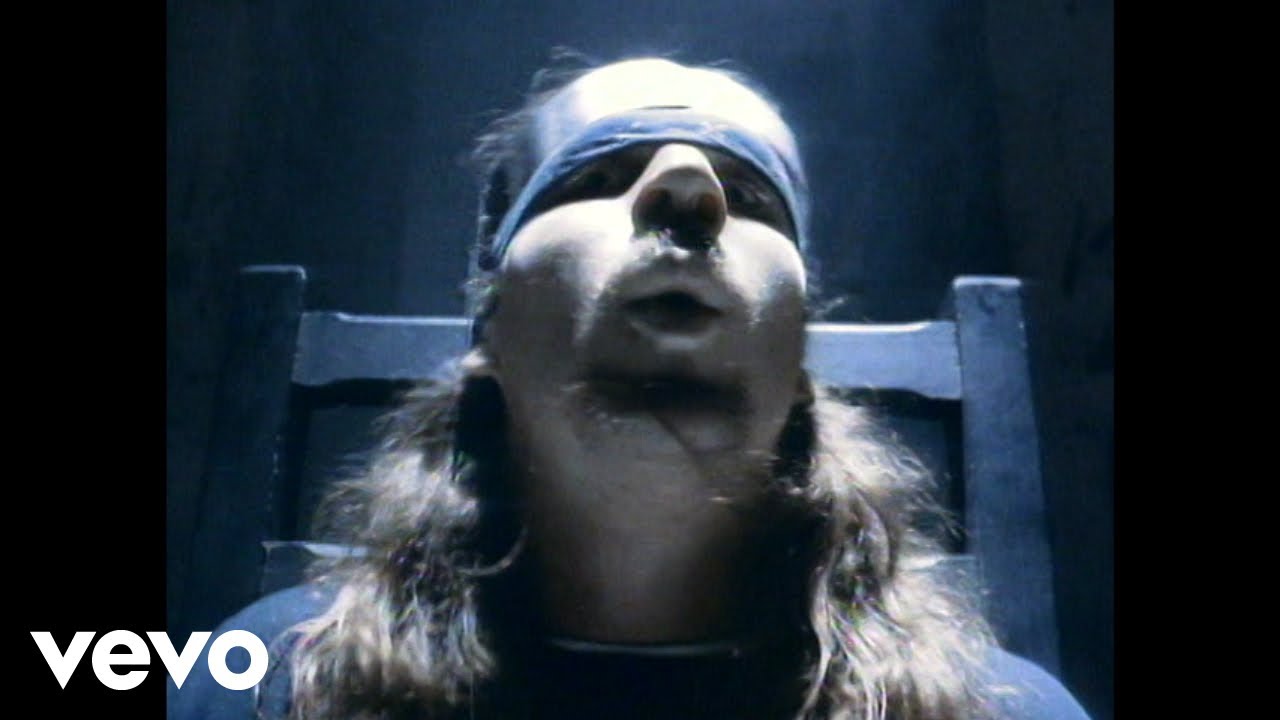
Ever feel like the world is just waiting for you to trip? It’s that heavy, suffocating pressure where every critic has a megaphone and every mistake feels like a permanent stain. Honestly, that’s exactly where Suicidal Tendencies was sitting in 1990. They weren't just a band; they were a target. When Mike Muir snarled the opening lines of You Can't Bring Me Down, he wasn't just recording a track for the Lights...Camera...Revolution! album. He was drawing a line in the sand.
It’s personal.
Most people hear the chugging thrash riffs and think it's just another skate-punk song about being tough. It isn't. It’s actually a incredibly specific response to the PMRC (Parents Music Resource Center) and the literal legal harassment the band faced during the late eighties. The Los Angeles Police Department used to shut down their shows because they feared "gang influence," which was basically a coded way of saying they didn't like how the fans looked.
Why You Can't Bring Me Down Still Hits Different
Music critics usually try to categorize this song as "crossover thrash," but that’s a bit too academic for what’s actually happening in the speakers. The song starts with that iconic, clean guitar intro from Rocky George—a melody that feels almost mournful—before it slams into a high-speed assault. This structural shift is the musical equivalent of a person being pushed until they finally snap.
Muir’s lyrics aren't poetic in the traditional sense. They’re a rant. A brilliant, rhythmic, aggressive rant. He tackles the concept of "institutionalized" thinking long before it became a buzzword in sociology classes. He’s calling out the people who try to dictate what is "right" or "moral" while ignoring their own hypocrisy.
The mid-song spoken word breakdown is where the heart of the message lives. You know the part. It's the moment where Muir drops the melody and just talks to you. He points out that you can’t blame your problems on everyone else forever. It’s a weirdly empowering message for a song that sounds like a riot.
The Rocky George Factor
We have to talk about the solo. Rocky George is one of the most underrated guitarists in metal history, period. His work on this track blends blues-influenced soul with absolute shredding speed. It shouldn't work. On paper, putting a jazz-adjacent technicality over a hardcore punk beat sounds like a mess. Instead, it creates a sense of frantic energy that mirrors the feeling of being trapped.
People often forget that Suicidal Tendencies was one of the first bands to really bridge the gap between the skate community, the metalheads, and the thrash kids. You Can't Bring Me Down became the bridge.
The Social Context of 1990 and Modern Resilience
Context matters. In 1990, the "Satanic Panic" was still lingering in the air. Heavy metal was being blamed for everything from bad grades to societal decay. The band was dealing with a "gang" label from the LAPD that made it nearly impossible for them to book venues in their own hometown.
When you hear Mike Muir yell "You can't bring me down," he's talking to the cops. He’s talking to the censors. He’s talking to the people who told him he’d be dead or in jail by twenty-five.
It’s funny.
Today, the song has shifted. It’s moved from a specific protest against 90s censorship to a universal anthem for anyone dealing with online bullying or toxic work environments. The "They" in the lyrics has changed, but the defiance remains the same.
Misunderstandings and Cultural Impact
A common misconception is that the song is purely about physical toughness. It’s actually about mental fortitude. Muir spends a lot of time talking about "the mind." He’s obsessed with the idea that the only person who can truly defeat you is yourself.
- The song was a staple on MTV’s Headbangers Ball.
- It marked the band's transition into a more "professional" sound without losing their Venice Beach edge.
- The music video, filmed in a stark, grainy style, emphasized the isolation of the individual against the crowd.
Robert Trujillo, who later joined Metallica, played bass on this record. You can hear his "slap" style influencing the groove, giving it a funkiness that most thrash bands lacked. This wasn't just noise; it was a highly sophisticated arrangement that forced the mainstream to take notice.
The Psychological Power of Defiance
There is actually some interesting psychological meat on these bones. "Defiance" as a coping mechanism is often viewed negatively, but in the context of You Can't Bring Me Down, it’s a survival strategy. It’s what psychologists sometimes call "resilience-based anger." It’s the refusal to accept a narrative that someone else is trying to write for you.
Mike Muir wasn't just being a "tough guy." He was practicing a form of radical self-ownership.
Think about the lyrics regarding the "picture" people paint of you. We do this every day on social media. We let people define us by a single post or a single mistake. This song rejects that entirely. It says that your internal reality is more valid than the external perception.
What You Can Learn From the ST Approach
- Directness is a superpower. Muir doesn't use metaphors. He says exactly what he means. In a world of PR-speak, that’s refreshing.
- Channel the noise. The band took the negativity of the LAPD bans and turned it into their biggest hit. They used the friction to create heat.
- Skill matters. You can be as angry as you want, but if Rocky George couldn't play that solo, the song wouldn't have survived thirty years.
How to Apply the "You Can't Bring Me Down" Mentality Today
Applying this isn't about getting a bandana and a skateboard (though that helps). It’s about a specific type of mental armor.
When you're facing a situation where you feel "brought down," whether it’s a performance review or a family dispute, the Mike Muir approach involves a few specific steps. First, identify if the criticism is factual or if it’s just someone trying to exert control. Second, remind yourself that their opinion isn't your reality.
It sounds simple. It’s actually incredibly hard to do when you’re in the middle of a storm.
Actionable Resilience Strategies
Stop waiting for the world to be fair. It won't be. The song acknowledges that people will try to bring you down. The victory isn't in stopping them from trying; the victory is in their failure to succeed.
Focus on your "crew." Suicidal Tendencies survived because they had a loyal, almost cult-like following that didn't care what the papers said. Find your people. Whether that’s a small group of friends or a specific community, having a support system makes you unshakeable.
Lastly, keep moving. The tempo of the song is relentless. It doesn't give you time to wallow. If you're going through a rough patch, the worst thing you can do is stand still and let the hits land. Keep the "tempo" of your life high.
Next Steps for Applying This Philosophy:
- Audit your critics: Spend ten minutes listing the people whose opinions actually matter to your long-term goals. If they aren't on that list, their "bringing you down" attempts are just background noise.
- Revisit the source: Listen to the track again, but focus specifically on the spoken word section at the 3:30 mark. Listen to the logic Muir uses to dismantle his detractors.
- Practice "The Mirror Test": Before responding to a critic, ask if your reaction is coming from a place of seeking their approval or defending your truth. If it's the former, stop.
- Build your "Lights...Camera...Revolution": Start a project that is a direct response to a challenge you're currently facing. Use the frustration as the primary fuel for the work.
The legacy of You Can't Bring Me Down isn't just in the mosh pits. It's in the way it gave a generation of outcasts the permission to be unapologetically themselves, regardless of the "gang" labels or the societal pressure to conform. You don't need permission to stay standing. You just need the will to refuse to fall.



