It’s the horn riff. That sleazy, slow-burn brass that starts up and immediately tells you exactly what’s about to happen. Honestly, if you play the first five seconds of You Can Leave Your Hat On in a crowded room, half the people will instinctively start looking for a stage or a velvet curtain. It’s a weirdly powerful piece of pop culture DNA.
Most people associate the track with Kim Basinger in 9 1/2 Weeks or a group of out-of-work steelworkers in The Full Monty. It has become the universal shorthand for "stripping." But the song’s history is actually way darker and more cynical than the neon-lit, steam-filled scenes it usually soundtracks. It wasn't written to be a "sexy" anthem. Not even close.
Randy Newman and the Art of the Creepy Narrator
To understand where this song came from, you have to look at Randy Newman. He’s the guy who wrote it back in 1972 for his album Sail Away. If you only know Newman from Toy Story and "You've Got a Friend in Me," his 70s output is going to be a massive shock to your system. He didn't write love songs; he wrote character studies of deeply flawed, often gross people.
You Can Leave Your Hat On is a prime example of his "unreliable narrator" style. In Newman’s original version, the song isn't an invitation to a fun, consensual romp. It’s told from the perspective of a man who is incredibly controlling and arguably a bit of a predator. He’s giving orders. "Take off your coat. No, keep the hat on." It’s claustrophobic. Newman’s piano playing is staccato and nervous, sounding more like a dirty secret than a chart-topping hit.
When Newman sings it, you don't feel empowered. You feel like you need a shower.
Joe Cocker, however, changed everything. When he covered it in 1986 for the 9 1/2 Weeks soundtrack, he smoothed out the edges. Or rather, he roughed them up with that gravel-pit voice of his, turning the creepiness into a sort of bluesy, hyper-masculine bravado. He turned a psychological profile into a strip-club staple.
The 1986 Turning Point
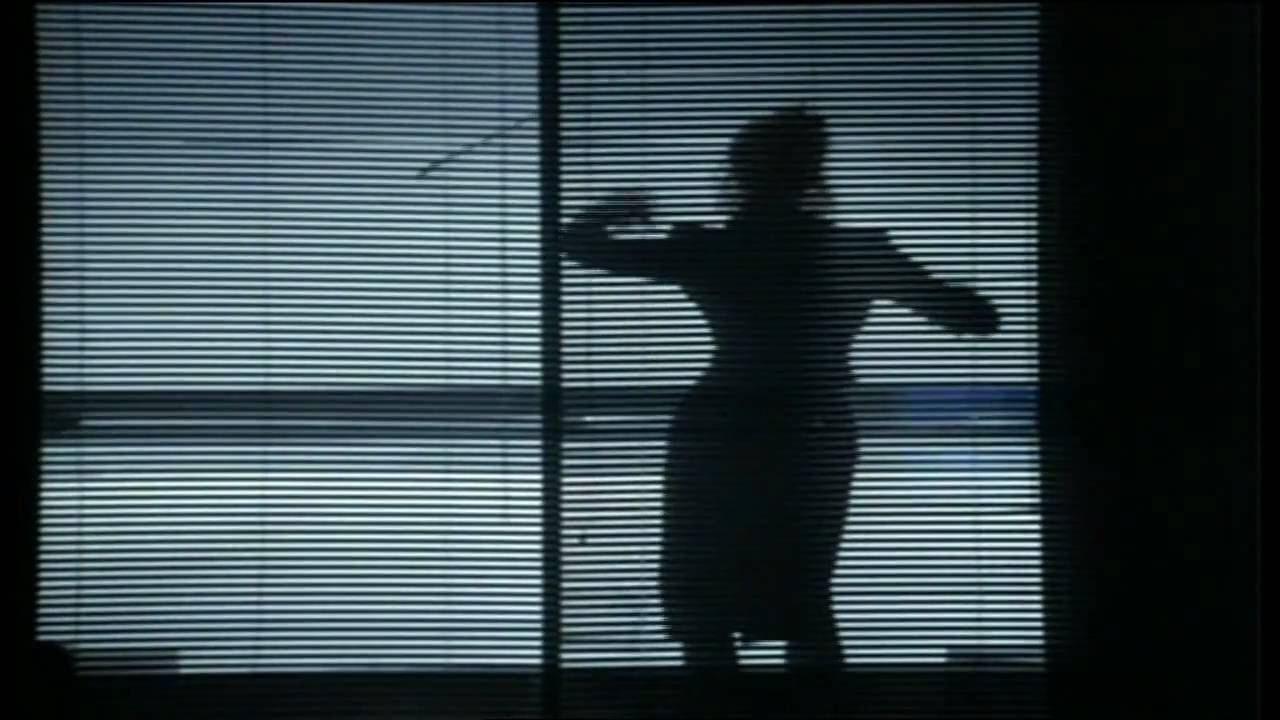
The movie 9 1/2 Weeks was basically a long music video. Directed by Adrian Lyne—who was the king of that slick, high-contrast aesthetic—it featured Kim Basinger dancing in front of a window while Mickey Rourke watched. It was scandalous for its time. But the scene only worked because of the music.
Producer John Kalodner was the one who pushed for the cover. He knew that Newman’s version wouldn't fly for a Hollywood sex scene. They needed something that sounded like it belonged in a high-end lounge. They got the horns, they got the heavy backbeat, and they got Cocker to growl through it.
Suddenly, the song wasn't about a weird guy in a dark room anymore. It was about the 80s obsession with "edgy" romance. It’s funny how a change in tempo and a different singer can completely flip the meaning of a lyric. When Cocker yells "Leave your hat on," it sounds like a command from a rock star. When Newman says it, it sounds like a threat from a guy in a trench coat.
Why The Full Monty Changed the Game Again
Fast forward to 1997. The song gets a second life, but this time it’s used for comedy. In The Full Monty, a group of unemployed men in Sheffield, England, decide to form a male striptease act to make some money.
The use of You Can Leave Your Hat On here is brilliant because it plays against the song’s "sexy" reputation. These aren't polished models. They are middle-aged guys with "beer bellies" and insecurities. The song becomes an anthem of vulnerability. When they perform to it, the audience isn't just cheering for the nudity; they’re cheering for the guts it takes to stand up there.
Tom Jones actually recorded a version for the film, and let’s be real, nobody does "theatrical machismo" better than Tom Jones. His version is even bigger, brassier, and more Vegas-style than Cocker’s. It solidified the song’s place in the "Stag and Hen Party" Hall of Fame.
The Song’s Secret Sauce
Why does it work so well for its specific purpose? It’s the tempo.
The song sits at about 85 to 90 beats per minute. That is the perfect walking pace. It’s slow enough to allow for "theatrical movement" (or just bad dancing) but has a heavy enough beat that you can’t lose the rhythm.
- The Horns: They provide the "punch" every few bars.
- The Lyrics: They are simple instructions. You don't have to think.
- The Space: There is a lot of "dead air" in the arrangement, which allows for audience reaction.
Musicians call this "the pocket." The song stays in the pocket from start to finish. It never speeds up. It never gets frantic. It just grinds away.
The Legacy of a Misunderstood Masterpiece
There is a certain irony in the fact that Randy Newman’s most famous song (monetarily, perhaps, alongside "Short People") is one that he intended as a biting satire of male dominance. He’s joked in interviews about how he sees people using it for romantic moments and just shakes his head.
"I don't think they know what it's about," he once remarked.
But that’s the beauty of pop music. Once a song is out there, the public decides what it means. We decided it was a song about stripping. We decided it was a song about confidence. We decided it was a song about laughing at ourselves in a Sheffield working men's club.
How to Actually Use This Track Today
If you’re a content creator, a DJ, or just someone putting together a playlist, you have to be careful with this one. It’s a trope. It’s a cliché. If you use it sincerely, people might roll their eyes.
But if you use it with a wink? It’s gold.
- Irony is your friend. Use it for a scene or a video where someone is doing something decidedly unsexy, like putting on winter gear or cleaning a garage.
- Respect the original. Go back and listen to the 1972 Randy Newman version. If you’re making a film or a project that needs a "creepy" vibe, the original is far more effective than the covers.
- The "Full Monty" Effect. Use it for "underdog" stories. It’s a great track for highlighting the contrast between expectations and reality.
The reality is that You Can Leave Your Hat On will probably be played at weddings and dive bars for the next fifty years. It’s one of those rare tracks that has successfully navigated three different decades and three different meanings without losing its punch.
Whether you see it as a dark character study, a gritty 80s rock anthem, or a British comedy staple, there is no denying the power of that opening riff. It invites you in. It tells a story. And yes, it usually results in someone losing a jacket.
Practical Next Steps for Music Fans and Creators
If you want to dive deeper into the history of this track, start by listening to Randy Newman's album Sail Away in its entirety to understand the context of his songwriting. Contrast it immediately with the Joe Cocker 9 1/2 Weeks version to see how production choices can flip a song's meaning. For those in video production, try sync-testing the track against different types of footage; you'll find its strict tempo makes it one of the easiest songs to edit to, which is likely why it remains a cinematic favorite decades later.



