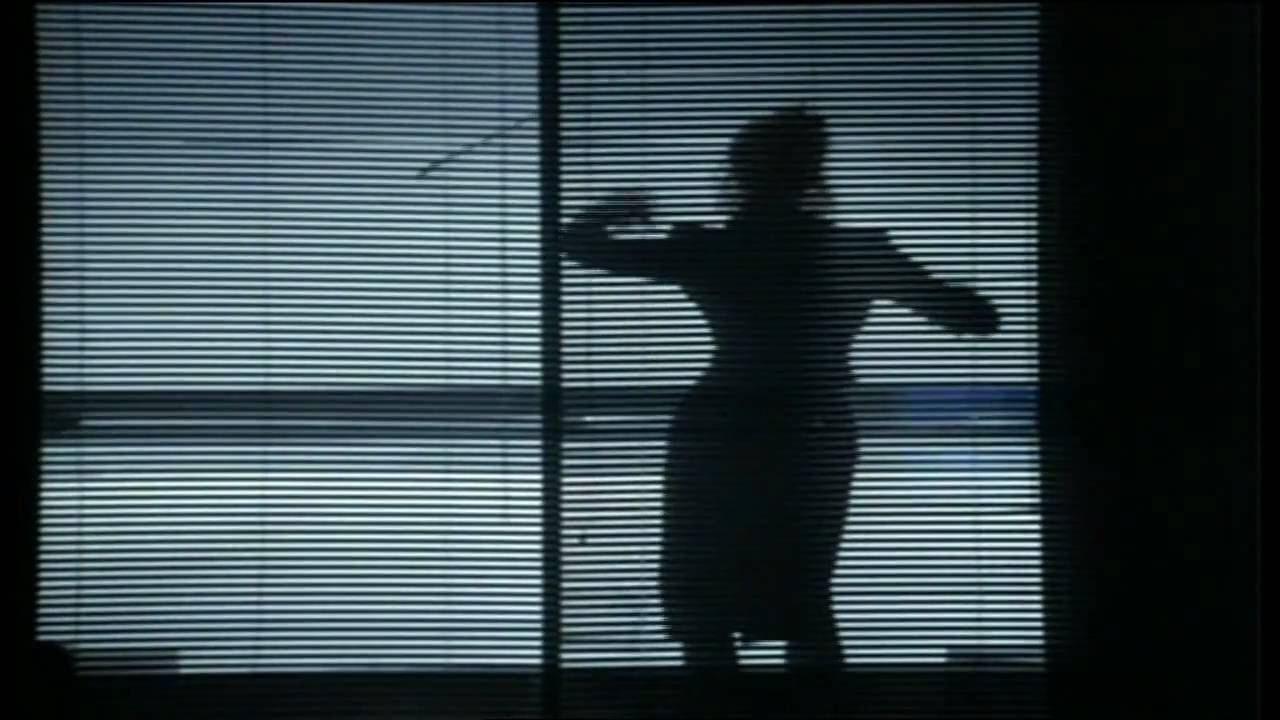
Everyone thinks they know the song. You hear that brassy, slow-burn horn section and immediately picture a smoky room, maybe a cinematic spotlight, and Joe Cocker’s gravelly voice telling someone to take off their coat. But honestly? The You Can Leave Your Hat On lyrics are way weirder—and much darker—than the "9 1/2 Weeks" version suggests.
It's one of those tracks that has been sanitized by pop culture. We’ve turned it into a bachelorette party joke, but if you actually listen to what Randy Newman wrote back in 1972, it’s not exactly a romantic ballad. It’s a song about power, isolation, and a very specific kind of voyeurism. Expanding on this idea, you can also read: The Oliver Tree Brazil Helicopter Crash Proves Aviation Media is Broken.
The Randy Newman Original vs. The Joe Cocker Shine
Most people associate the track with the 1986 film 9 1/2 Weeks. Joe Cocker’s cover is the definitive version for most of the world. It’s soulful. It’s bluesy. It feels like a consensual, albeit intense, moment of adult intimacy. Cocker sings it like a man who is genuinely enamored.
But Randy Newman? He’s the guy who wrote it. Observers at The Hollywood Reporter have also weighed in on this trend.
When Newman recorded it for his album Sail Away, it sounded different. It was sparse. It was almost creepy. Newman is famous for writing in "character," and the character in this song isn't necessarily a hero. He’s a guy giving orders. "Baby, take off your coat... real slow." He’s directing a performance. If you look at the You Can Leave Your Hat On lyrics through Newman's lens, the line "You give me a reason to live" sounds less like a compliment and more like a desperate, slightly unsettling confession from a man who has nothing else.
It’s a masterclass in how a performance can totally change the "vibe" of a written word. Cocker made it a stadium anthem; Newman made it a psychological character study.
Breaking Down the Lyrics: What’s Actually Happening?
The song starts with a series of commands. Take off the coat. Take off the shoes. I’ll take off your dress. Then comes the famous hook: "You can leave your hat on."
Why the hat?
There are a lot of theories. Some music historians suggest it’s a nod to old-school burlesque traditions. Others think it’s just Newman’s way of highlighting the absurdity of the situation. By keeping the hat on, the person isn't fully "exposed." There’s a lingering piece of their identity or their "outside" self still present, which makes the act of stripping down feel more performative and less about genuine connection.
The "Suspicious" Verse
There’s a part of the song that often gets overlooked in the radio edits.
"Suspicious minds are talkin' / Tryin' to tear us apart / They don't believe in this love of ours / They don't know what's in my heart."
On the surface, it sounds like a classic "us against the world" trope. But in the context of the rest of the You Can Leave Your Hat On lyrics, it feels defensive. The narrator is aware that people are judging this relationship—or this interaction. He’s doubling down. He’s telling his partner to ignore the "suspicious minds" and just focus on the lights and the commands. It’s a bit claustrophobic, isn't it?
Why the Song Became an Inescapable Pop Culture Trope
You can't talk about these lyrics without talking about Kim Basinger and Mickey Rourke.
Before 1986, the song was a cult favorite. After the movie, it became the universal audio shorthand for "striptease." If a sitcom character accidentally ends up behind a curtain, this song plays. If a movie wants to signal a seductive moment that's about to go wrong for comedic effect, this song plays.
It’s a bit of a tragedy for the song itself. The nuance of the lyrics got buried under the weight of the "sexy" association.
- Tom Jones covered it for The Full Monty.
- Etta James gave it a powerhouse blues treatment.
- Tyra Banks even used it during America’s Next Top Model segments.
Every time someone covers it, they have to decide: are they doing the Newman version (the creepy guy in the dark room) or the Cocker version (the soulful lover)? Most choose Cocker. It's safer. It sells more records. It doesn't make the audience feel like they need a shower afterward.
The Technical Brilliance of the Composition
Musically, the song relies on a very specific tension. It’s usually played in a mid-tempo shuffle. The horn arrangements—especially the ones created by the legendary Jim Price for Cocker—act as a second voice. They "answer" the lyrics.
When the singer says "leave your hat on," the trumpets flare up. It’s a call-and-response format that mimics a conversation, or perhaps a rhythmic movement. The simplicity of the chord progression is what makes it work. It doesn't need complex jazz changes. It needs a steady, heartbeat-like thump.
Misinterpretations and Common Mistakes
A lot of people mishear the lyrics or misinterpret the intent.
Some think the song is about a fashion choice. It's not. It's about fetishization. When the narrator says "You're a wildcat," he's projecting an image onto the woman. He's not seeing her; he's seeing what he wants her to be.
Also, a fun bit of trivia: Randy Newman once joked in an interview that he didn't even think the song was that good when he wrote it. He called it "too simple." Little did he know it would become his most lucrative "check in the mail" song thanks to its endless use in films and commercials.
Actionable Insights for Music Lovers and Creators
If you’re a songwriter or a cover artist looking at the You Can Leave Your Hat On lyrics, there is a lot to learn here about "The Unreliable Narrator."
- Experiment with Tone: Try reading the lyrics without any music. Notice how cold they feel. If you’re performing this, decide if you want to lean into the warmth (Cocker) or the grit (Newman).
- Study the Horn Section: If you’re a producer, analyze how the brass section creates "stabs" that emphasize specific lyrics. It’s a lesson in punctuation through instrumentation.
- Context Matters: Before you use this song for a playlist or a video, realize that it carries heavy baggage. It’s no longer just a song; it’s a cultural meme.
To truly appreciate the track, go back to the 1972 original. Put on some headphones. Listen to Newman's piano. It’s a much more interesting, albeit stranger, experience than the version you hear at the local karaoke bar.
Understanding the "why" behind the lyrics changes how you hear the "what." It’s not just about a hat. It’s about the masks we wear—and the ones we refuse to take off, even when everything else is gone. Check out the 1972 studio session notes if you can find them; they reveal just how much Newman struggled to find the right "sneer" for the vocal delivery. That sneer is the secret sauce.
Next Steps for Deep Listeners:
Search for the Etta James live version from 1989. It flips the gender dynamic of the lyrics entirely, giving the "commands" a completely different power structure. Then, compare the BPM (beats per minute) of the Cocker version to the original. You'll find that the slight slowdown in the cover is exactly what created the "sultry" feel that defined an entire decade of cinema.