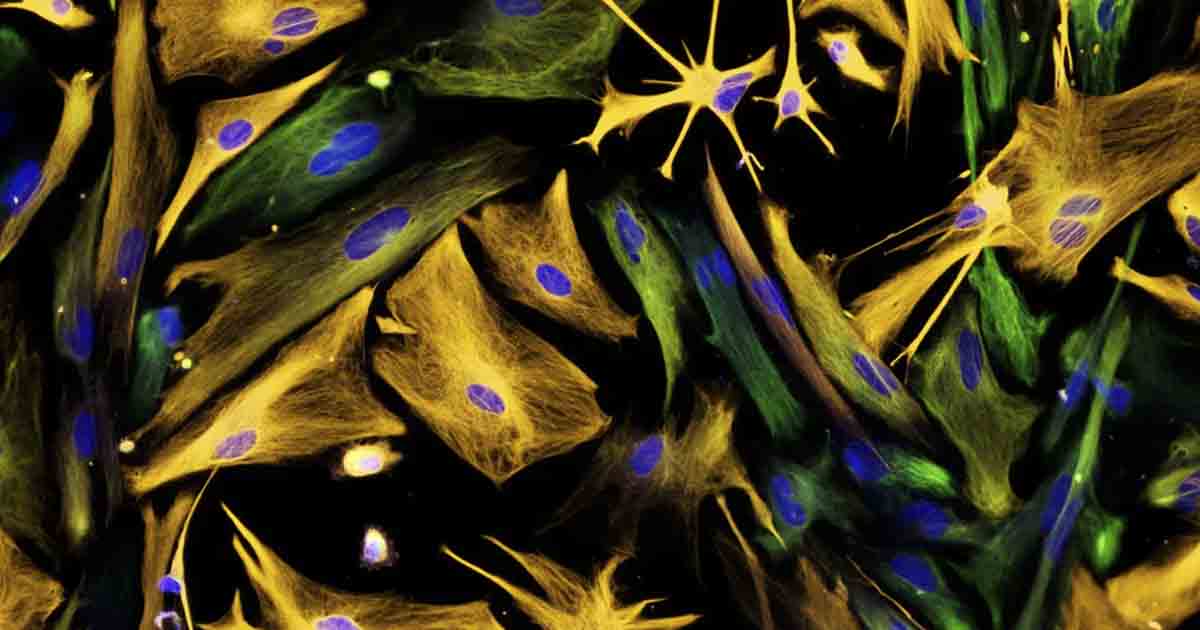
For decades, the scientific establishment held a pretty grim view of the human head. The consensus was simple: you were born with a set number of neurons, and as you aged—or perhaps enjoyed one too many beers in college—those cells died off, never to return. It was a one-way street toward cognitive decline. But honestly? They were wrong. We now know that you can grow new brain cells, a process technically called adult hippocampal neurogenesis.
It’s a massive shift in how we think about the "meat computer" between our ears.
While most of your brain is indeed set in its ways by adulthood, a tiny, shrimp-shaped region called the hippocampus refuses to follow the rules. This area is responsible for learning, memory, and emotional regulation. In a healthy adult, it’s pumping out hundreds of new neurons every single day.
The Shifting Science of the Hippocampus
Back in the 1960s, researcher Joseph Altman saw hints of new cell growth in rats, but the scientific community basically patted him on the head and ignored him. It wasn't until the late 90s, specifically a landmark 1998 study led by Peter Eriksson and Fred Gage, that we had proof this happened in humans too. They used a chemical marker in cancer patients that only shows up in dividing cells. When they looked at the brain tissue later, there it was: glowing proof of brand-new neurons in the human hippocampus.
Since then, the debate hasn't been about if it happens, but how much it matters. Some recent studies, like a controversial 2018 paper in Nature, suggested neurogenesis might drop off sharply as we leave childhood. But shortly after, a 2019 study in Nature Medicine by Maria Llorens-Martín countered that, showing new neurons in people up to their 90s.
The nuance is everything here. You aren't regrowing a whole frontal lobe. You’re supplementing a specific, vital hub.
Why Your Lifestyle Dictates Your Brain Growth
The coolest part? You aren't a passive observer. Your habits act like a "dimmer switch" for this process. If you’re stressed, sedentary, and eating junk, you’re essentially turning the lights down on your brain's ability to refresh itself.
Aerobic exercise is the undisputed heavyweight champion of neurogenesis. When you get your heart rate up—think jogging, swimming, or even a brisk walk—your body releases a protein called Brain-Derived Neurotrophic Factor (BDNF). Scientists often call this "Miracle-Gro for the brain." BDNF doesn't just help create new cells; it protects the ones you already have and helps them build connections.
But it's not just about hitting the gym.
Diet plays a weirdly specific role. Flavonoids, found in things like dark cocoa, blueberries, and green tea, have been shown to boost cell production. Then there’s intermittent fasting or calorie restriction. Some research suggests that the mild "stress" of being hungry triggers the brain to become more resilient and stimulate growth. It’s an evolutionary leftover; if you’re hungry, your brain needs to be sharper to find food.
The Survival of the Fittest (Cells)
Here is the catch most people miss: growing the cells is only half the battle.
Most of these newborn neurons die within weeks. They are like interns at a high-stakes law firm; if they don't find a job to do, they get fired. To keep them alive, you have to give them a purpose. This is where cognitive challenge comes in.
Learning a new language or picking up a complex instrument creates a "use it or lose it" environment. When you struggle through a difficult task, you’re creating the chemical signals that tell those new neurons to integrate into the existing neural circuitry. If you’re just doing the same crossword puzzle you’ve done for twenty years, you aren't challenging the brain. You need novelty. You need that "my brain hurts" feeling.
Stress: The Ultimate Neurogenesis Killer
If BDNF is Miracle-Gro, then cortisol—the primary stress hormone—is Roundup.
When you are chronically stressed, your body stays in a "fight or flight" state. This isn't just bad for your blood pressure; it's toxic to the hippocampus. High levels of cortisol actually inhibit the birth of new cells. This explains why people suffering from chronic depression or PTSD often show a physical shrinkage of the hippocampus in MRI scans.
It’s a vicious cycle. Less neurogenesis leads to poorer emotional regulation, which leads to more stress, which further stunts growth.
Fortunately, the reverse is also true. Activities that lower cortisol, like mindfulness meditation or even consistent social interaction, create a fertile environment for those new cells to thrive. It’s why a "lonely" brain often ages faster than a "social" one. We are wired for connection, and our biology rewards us for it at a cellular level.
Sleep and the Brain's "Janitorial" System
You can't talk about how you can grow new brain cells without mentioning sleep.
During deep sleep, the brain's glymphatic system washes away metabolic waste, including beta-amyloid plaques. But more importantly for neurogenesis, sleep deprivation is a massive disruptor. Even one night of poor sleep can significantly dampen the rate of cell division in the hippocampus. If you aren't hitting those REM and deep sleep cycles, you're essentially sabotaging your brain's construction site.
Real-World Strategies for a Sharper Brain
It's easy to get lost in the "why," but the "how" is where the magic happens. Improving your brain's regenerative capacity doesn't require a lab; it requires a shift in daily rhythm.
- Focus on Leg-Day (Seriously): Studies have shown a weirdly strong link between leg strength and brain health. Weight-bearing exercise sends signals from the large leg muscles to the brain that are vital for the production of healthy neural cells.
- Eat Omega-3s: Your brain is about 60% fat. Docosahexaenoic acid (DHA), found in fatty fish like salmon, is a primary structural component of the human brain. High levels of DHA are linked to increased BDNF.
- Seek Out "Enriched Environments": This is a term from lab studies where mice in cages with toys and social partners grew way more brain cells than mice in boring cages. For humans, this means traveling, meeting new people, and varying your routine.
- Texture Matters in Food: Interestingly, some research suggests that crunchy or "hard" foods might stimulate neurogenesis through a sensory pathway linked to the jaw, though this is still a developing area of study.
The reality is that neurogenesis isn't a silver bullet for intelligence, but it is a fundamental part of brain plasticity. It gives you the "hardware" updates you need to keep your "software" running smoothly. While you can't grow a brand-new brain, you can absolutely refine and refresh the one you have.
Next Steps for Better Brain Growth
- Prioritize 30 minutes of zone 2 cardio (where you can talk but feel slightly winded) at least four times a week to spike your BDNF levels.
- Audit your "learning curve." If you haven't felt like a "beginner" at something in the last year, start a hobby that requires fine motor skills or complex rules, like woodworking, salsa dancing, or learning a coding language.
- Manage the "Cortisol Spikes." Use a wearable to track your sleep quality and identify if your stress levels are flatlining your recovery.
- Incorporate "Brain Foods" such as walnuts, wild-caught salmon, and blueberries into your weekly meal prep to provide the raw materials for cell membranes.
By treating your brain as a dynamic, growing organ rather than a static machine, you're not just preventing decline—you're actively building a more resilient mind.