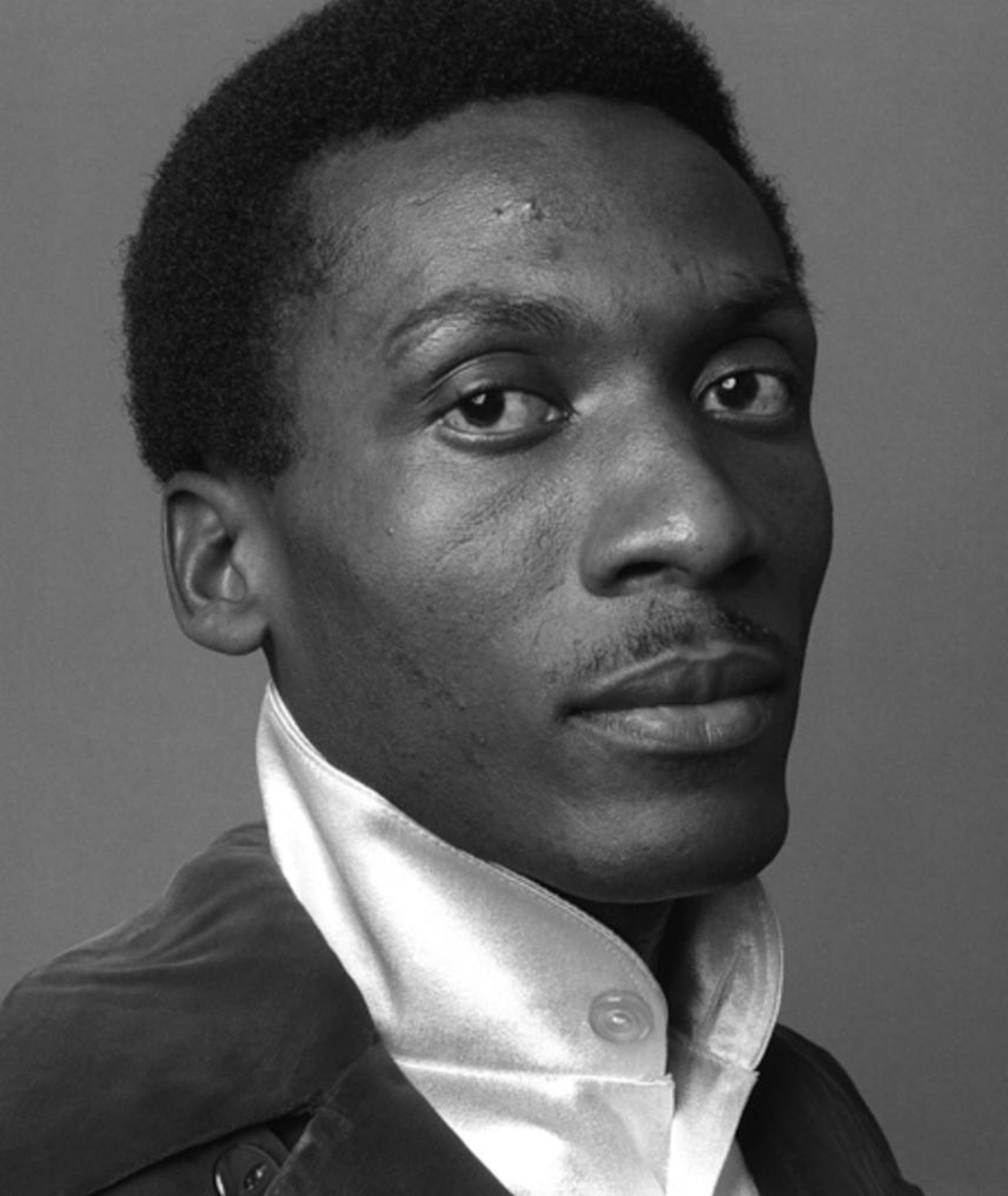
If you close your eyes and think of 1970s Jamaica, you probably hear a specific bassline. It’s bouncy. It’s defiant. And more often than not, it belongs to the song You Can Get It If You Really Want by Jimmy Cliff.
Honestly, the track is more than just a catchy tune. It's a manifesto. When Cliff recorded it, he wasn't just making a pop record; he was laying the groundwork for a cultural earthquake that would eventually bring the sounds of Kingston to the streets of London and New York. Most people think Bob Marley was the one who broke reggae to the world, but if we’re being real, Jimmy Cliff was the pioneer who kicked the door open first.
The song itself is deceptively simple. It has that classic rocksteady-to-reggae transition feel. But look closer at the lyrics. It’s about the grind. It’s about the "perseverance" that Cliff himself lived through as a young artist trying to make it in an industry that didn't always want him.
The Harder They Come: Why the Movie Changed Everything
You can't talk about You Can Get It If You Really Want without talking about the 1972 film The Harder They Come. Jimmy Cliff didn't just provide the soundtrack; he starred as Ivanhoe "Ivan" Martin.
The movie was raw. It showed a side of Jamaica that tourists never saw—the shantytowns, the corruption, and the desperate hustle for fame. When Cliff’s character sings that iconic hook, it’s not a sunshine-and-rainbows moment. It’s a battle cry for a man who is literally fighting for his life and his dignity.
Interestingly, the song was actually released a couple of years before the movie. Cliff recorded it in 1970. It did okay, but it didn't become a "thing" until the film turned it into an anthem for the oppressed. It’s funny how context works like that. A song can exist in a vacuum for years, and then the right visual comes along and suddenly it's the voice of a generation.
Breaking Down the Sound of Jimmy Cliff
What makes this track stand out from other reggae hits of the era?
For starters, it’s the production. Produced by Leslie Kong—a massive figure in early Jamaican music—the track has a polished, almost "pop" sensibility compared to the rougher dub sounds that would come later in the decade. Kong knew how to make a hit. He had worked with The Maytals and a young Bob Marley, but with Cliff, he found a voice that could cross over.
The instrumentation is tight. You’ve got:
- The driving organ shuffle (the "bubble") that defines the rhythm.
- A bright, punchy horn section that feels more like Stax soul than Kingston roots.
- That persistent, walking bassline that keeps the energy moving forward.
Cliff’s vocal performance is also worth noting. He has this incredible range. He can sound vulnerable in one breath and completely indomitable in the next. When he hits those high notes on "really want," you believe him. You feel the effort. It’s not just a studio take; it’s a guy pouring his soul into a microphone because he knows this might be his only shot.
The Desmond Dekker Connection
Here is a bit of trivia that usually trips people up: Jimmy Cliff isn't the only one who had a hit with this song.
Desmond Dekker, another legend of the era, also recorded a version. In fact, many people in the UK initially associated the song with Dekker. His version has a slightly different swing to it, a bit more of that traditional ska/rocksteady influence.
But Cliff’s version won the war of longevity. Why? Mostly because of the grit. Dekker’s version is great for a dancehall, but Cliff’s version feels like it belongs in a stadium. It has a weight to it that helped it transcend the "novelty" label that early reggae sometimes got stuck with in the international press.
Success and the "Sellout" Myth
As the song blew up, Cliff faced a bit of a backlash back home. It's the same old story. An artist gets global fame, and suddenly the "purists" start whispering that they’ve gone too "commercial."
Cliff was often compared to Bob Marley. While Marley became the face of the Rastafari movement and militant social justice, Cliff was seen as the more "accessible" entertainer. But that’s a superficial way to look at it. You Can Get It If You Really Want is deeply political in its own right. It’s about individual agency in a system designed to keep you down. It’s the "pull yourself up by your bootstraps" narrative, but with a Jamaican accent and a much better beat.
He wasn't selling out. He was infiltrating. By making a song that could play on BBC Radio 1 or American Top 40, he was bringing the Jamaican experience to people who wouldn't have listened to a raw dub track.
Why the Song Still Matters in 2026
It’s been over fifty years. Fifty. And yet, you still hear this song in commercials, at political rallies (sometimes without Cliff's permission, which he's been vocal about), and in movie trailers.
It has become a universal shorthand for "hope."
But there’s a darker underside to the song that people often miss. If you listen to the second verse, Cliff talks about "Rome" and the struggles of the journey. He mentions that you have to "try and try, you'll succeed at last." It’s an acknowledgment that the world is hard. It’s not an easy optimism. It’s a hard-won optimism.
In a world where everything feels instant—streaming, social media fame, overnight success—the message of You Can Get It If You Really Want feels almost counter-cultural. It’s about the long game. It’s about the fact that "the harder the battle, the sweeter the victory."
The Technical Influence on Future Artists
Musically, the track influenced everyone from The Clash to Rancid. The "Punkture" of reggae—mixing the raw energy of punk with the rhythmic complexity of Jamaican music—owes a massive debt to this era of Jimmy Cliff’s work.
When Joe Strummer was looking for a way to make The Clash sound more "international," he looked at the soundtrack of The Harder They Come. He saw that you could have a pop hook and a message at the same time. You didn't have to choose between being catchy and being meaningful.
The song's structure—the verse-chorus-verse-chorus-bridge-chorus—became the blueprint for "Radio Reggae." It proved that the genre wasn't just "foreign" music; it was a global language.
Common Misconceptions About Jimmy Cliff
A lot of casual listeners think Jimmy Cliff disappeared after the 70s. That’s just wrong.
While he might not have reached the same "icon" status as Marley in terms of T-shirt sales, Cliff has remained consistently active. He won a Grammy in 1986 for Cliff Hanger and another one in 2013 for Rebirth. He was inducted into the Rock and Roll Hall of Fame in 2010.
Another misconception: that he wrote the song about a specific person.
Honestly, Cliff has described the song as being about his own inner drive. He grew up in Somerton District, St. James, and moved to Kingston with nothing. He lived the lyrics. When he sings about people trying to "put you down," he’s talking about the producers who turned him away and the critics who didn't think a Jamaican kid could be a global star.
Impact on the Global Charts
In the UK, the song hit the Top 20. In the US, it was more of a "cult" hit initially, but it grew as the Harder They Come soundtrack became a staple in college dorm rooms across the country.
By the late 70s, it was impossible to ignore. The song helped create a market for artists like Peter Tosh and Toots and the Maytals. It proved there was money to be made in reggae, which, for better or worse, led to the major label signing spree that defined the genre's mid-70s expansion.
Lessons from the Legend
So, what can we actually learn from this track today?
First, don't let the simplicity of a message fool you. "You can get it if you really want" sounds like a Hallmark card, but in the context of post-colonial Jamaica, it was a radical statement of self-worth.
Second, the medium matters. The song is great, but the movie made it legendary. If you’re a creator, think about how your work fits into a larger story.
Third, stay true to the groove. Even when Cliff was reaching for the charts, he never lost that essential Jamaican "swing." He didn't try to sound like an American soul singer. He sounded like Jimmy Cliff.
Moving Forward with the Music
If you’ve only ever heard the song on a "70s Hits" playlist, do yourself a favor and watch the film The Harder They Come. It changes how you hear the music. You start to hear the desperation behind the melody.
Also, check out the live versions from the late 70s. The tempo is often faster, the horns are louder, and Cliff’s energy is infectious. It’s a masterclass in stage presence.
To truly appreciate the legacy of You Can Get It If You Really Want, you have to look past the "feel-good" vibes and see it for what it is: a blueprint for survival. Jimmy Cliff didn't just sing about getting what he wanted; he went out and took it. And in doing so, he gave the rest of the world a soundtrack for their own struggles.
How to Deepen Your Appreciation for Jimmy Cliff
- Listen to the full soundtrack: Don't just stop at the title track. "Many Rivers to Cross" and "Sitting in Limbo" show a completely different, more melancholic side of Cliff’s talent.
- Compare the versions: Track down the Desmond Dekker version and listen to it side-by-side with Cliff's. Notice the difference in the percussion and the vocal delivery.
- Research Leslie Kong: Look into the other artists Kong produced. Understanding his "Beverley’s" label is key to understanding why early reggae sounded the way it did.
- Watch the 2010 Hall of Fame Induction: See the respect Cliff commands from his peers. It’s a reminder that while Marley is the "King," Cliff is the "General."



