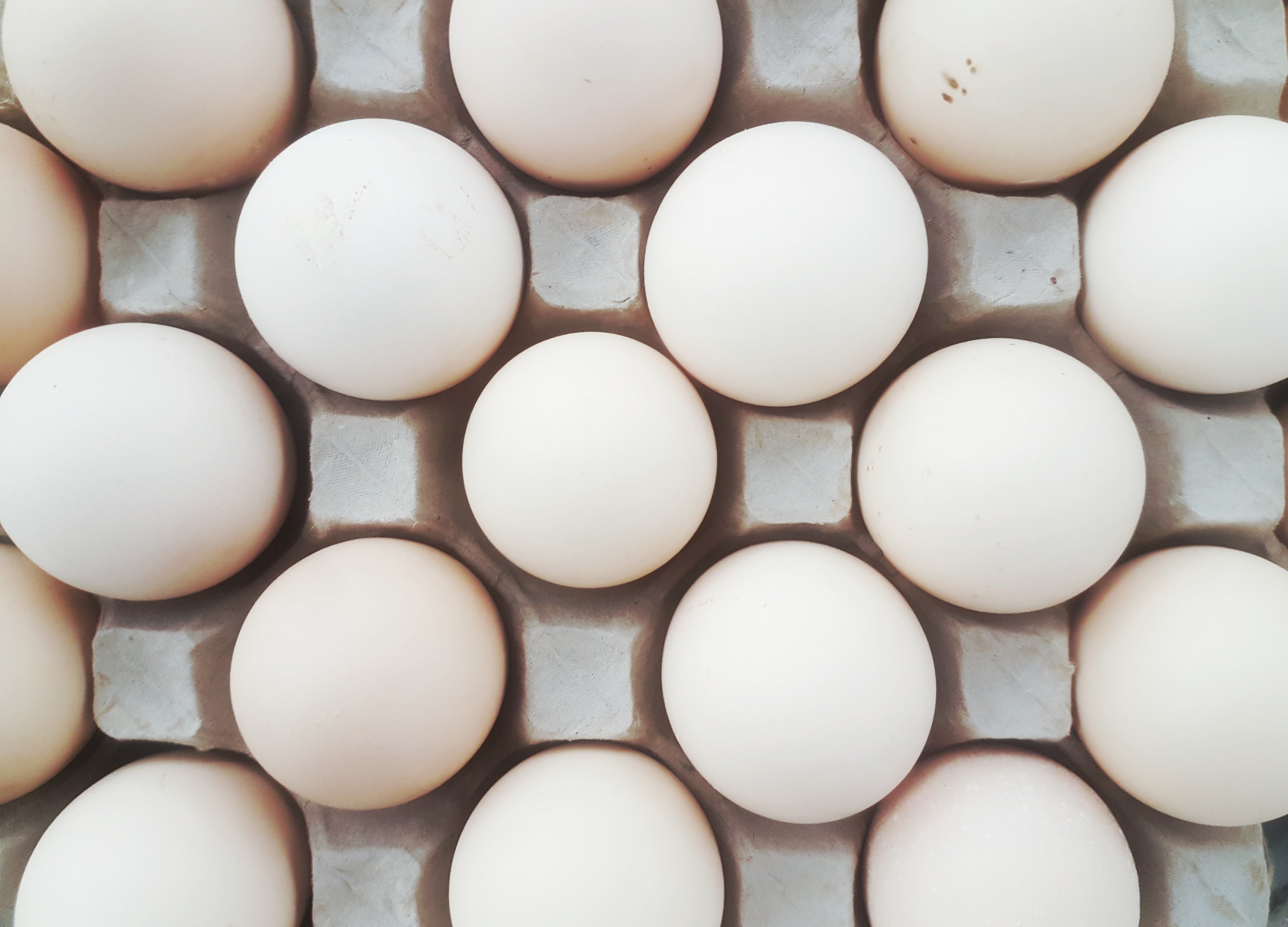
Let's be honest. Most of us have tried it. You’re running late, the stove feels like a chore, and you wonder if you can cook egg in microwave settings without the whole thing turning into a rubbery puck or, worse, a literal bomb. We’ve all seen the videos of eggs exploding like tiny grenades, spraying sulfur-smelling shrapnel across the ceiling. It’s a mess.
But it doesn't have to be.
Microwaves get a bad rap for being "lazy" or "low-quality," yet they are essentially high-frequency electromagnetic wave machines that excite water molecules. If you know how to manage that energy, you can actually get a decent breakfast in under 90 seconds. It won't have the crispy, lacy edges of a butter-basted cast iron fry, but for a Tuesday morning? It’s a lifesaver.
The Science of Why Eggs Explode
Steam is the enemy. Or the hero, depending on your perspective. When you heat an egg, the proteins denature and coagulate, but the moisture inside turns into steam. In a frying pan, that steam escapes into the air. In a microwave, if you leave the yolk intact or keep the shell on, that steam is trapped. Pressure builds. The protein structure holds it in until it simply can't anymore.
Boom.
This is why you should never, ever put a whole, unpeeled egg in the microwave to "hard boil" it. Even if it doesn't explode in the microwave, the internal pressure can remain high enough that it bursts the second your fork touches it. That’s how people end up with facial burns. According to researchers like Anthony S. S. Chen and Charles M. Garner, who have studied the thermodynamics of microwave heating, the localized "hot spots" in a microwave can cause internal temperatures to far exceed the boiling point of water before the phase change actually happens.
Scrambled: The Safest Way to Cook Egg in Microwave
If you’re a beginner, start here. It’s almost foolproof. You’ll need a microwave-safe mug or a small bowl. Grease it with a little butter or non-stick spray, otherwise, you'll be scrubbing dried egg off that ceramic for the rest of your natural life.
Crack two eggs in. Add a splash of milk or heavy cream—this is crucial because the fat helps keep the proteins from bonding too tightly, which is what causes that "rubbery" texture. Whisk it well.
Nuke it for 30 seconds. Take it out. Stir it.
This is the part people skip. You have to stir. Microwave energy is uneven; the edges cook faster than the center. By stirring, you’re redistributing the heat. Put it back in for another 30 to 45 seconds. Stop it while it still looks slightly "wet." Residual heat (carry-over cooking) will finish the job while you’re reaching for the salt.
The Secret to Poached Perfection
Yes, you can actually poach an egg in a microwave, and honestly, it’s sometimes better than the stovetop version because you don't have to deal with the "wispy white" mess.
- Fill a microwave-safe mug with about half a cup of water.
- Add a tiny splash of vinegar (classic poaching trick to help the whites set).
- Carefully crack the egg into the water.
- Crucial Step: Take a toothpick and gently prick the yolk once. This releases just enough tension to prevent an explosion without making the yolk run everywhere.
- Cover the mug with a saucer.
- Microwave on high for about 60 seconds.
Timing varies wildly depending on your microwave's wattage. A 1200-watt beast will kill an egg in 45 seconds, while an old 700-watt dorm unit might take nearly two minutes. Start low. You can always add time, but you can't un-cook a rubber ball.
What Most People Get Wrong About Texture
The biggest complaint about microwaved eggs is that they feel "spongy." This happens because of overcooking. Because microwaves cook so fast, the window between "perfectly set" and "overdone" is about five seconds.
Harold McGee, the legend of food science and author of On Food and Cooking, explains that egg proteins are like a bunch of tangled strings. As they heat up, they uncoil and then link together. If you heat them too much, they link so tightly that they squeeze out all the water. That’s why an overcooked microwaved egg sits in a puddle of weird yellow water. It’s literally been squeezed dry at a molecular level.
To avoid this, always aim for "slightly under" when the timer beeps. Let it sit for a full minute. The texture will smooth out as the temperature stabilizes.
Safety Warnings and Myths
Let's talk about the "Microwaved Eggs are Toxic" myth. You’ll see this occasionally on "wellness" blogs claiming that microwaves "change the molecular structure" of food into something carcinogenic.
That’s nonsense.
Microwaves use non-ionizing radiation. It has enough energy to jiggle water molecules but not enough to break chemical bonds or cause DNA damage. In fact, because microwave cooking is so fast, it can actually preserve more heat-sensitive vitamins (like B vitamins) than boiling them for ten minutes might.
The real danger is purely physical:
- Steam burns from trapped pockets of air.
- "Superheated" water that splashes when you move the cup.
- Using non-microwave-safe plastics that leach chemicals (stick to glass or ceramic).
The "Omelet" Hack
If you have a wide, flat-bottomed glass bowl, you can make a decent omelet. Pour your beaten eggs in so they form a thin layer. Cook for about a minute. While the top is still slightly tacky, throw in your cheese, pre-cooked ham, or spinach. Fold it over. The heat of the egg will melt the cheese in about 30 seconds of resting time.
Don't put raw veggies like onions or peppers in there and expect them to cook. They won't. They’ll stay raw and crunchy while your eggs turn into leather. Sauté them beforehand or use very finely minced versions.
Beyond the Basics: Flavor Tweaks
Because microwave cooking doesn't involve "browning" (the Maillard reaction), the flavor can be a bit one-dimensional. You have to compensate with mix-ins.
- Chives or Green Onions: Add them at the very end.
- Hot Sauce: Mix a dash of Cholula or Sriracha directly into the raw egg.
- Cheese: Sharp cheddar or feta works best because you don't need much to get a big flavor hit.
- Pesto: A swirl of pesto in a microwaved poached egg is high-level dining for very little effort.
Actionable Steps for Your Next Quick Breakfast
If you're ready to try this, don't just wing it. Follow these specific steps to ensure your kitchen stays clean and your breakfast stays edible.
Invest in a Silicone Egg Maker If you find yourself doing this often, those little silicone "pods" are worth the $10. They are designed to distribute heat more evenly than a standard coffee mug and they're naturally non-stick.
Master the Power Level Most people just hit "Start" and let it rip at 100% power. Try dropping your microwave to 50% or 70% power and doubling the time. This "low and slow" approach (relatively speaking) results in a much creamier, more tender egg that mimics stovetop cooking.
The Toothpick Rule Never cook a whole yolk in the microwave without a tiny prick. It’s the difference between a peaceful meal and a "why is there yellow goo in my hair" morning.
Cover Your Dish Always use a microwave-safe lid or a simple paper towel. Even if you do everything right, eggs can "pop" a little bit. A cover saves you ten minutes of cleaning later.
Wait One Minute This is the hardest part. Let the egg sit. The internal temperature will finish the cooking process gently. If you eat it immediately, it'll likely be unevenly cooked and scorched in the middle.
Microwaving eggs isn't a culinary sin; it's a tool. Use it right, and you've got a high-protein meal in the time it takes to toast a piece of bread. Forget the snobbery—embrace the efficiency.



