Paul Simon was in a bad spot. Honestly, he was bordering on "washed up" by the early 1980s. His solo movie, One-Trick Pony, had flopped. His marriage to Carrie Fisher was disintegrating. Even a massive Simon & Garfunkel reunion concert in Central Park couldn’t mask the fact that he was creatively stuck.
Then he heard a cassette tape of street music from Johannesburg.
That one tape changed everything. It led him to South Africa, it led him to an international controversy, and eventually, it led him to write You Can Call Me Al. This isn't just a quirky 80s pop song with a funny video. It’s a complex, bizarre, and rhythmically revolutionary track that basically resurrected a legend's career.
The Weird Party Story Behind "Al" and "Betty"
You’ve probably wondered who Al and Betty are. Are they metaphors? Are they real friends? Nope. It was actually a total accident.
Back in 1970, Paul Simon and his first wife, Peggy Harper, were hosting a party at their New York apartment. One of the guests brought along the famous French composer and conductor Pierre Boulez. As Boulez was leaving, he apparently got his wires crossed. He thanked Paul by calling him "Al" and referred to Peggy as "Betty."
Simon thought it was hilarious. He didn't use the names for sixteen years, but the memory stuck in his back pocket. When he finally sat down to write the lead single for Graceland, he pulled that "Al and Betty" mix-up out of his notes. It became the hook for a song about a man who feels totally out of place in his own life.
Why Paul Simon Call Me Al is Actually Kind of Depressing
If you ignore the upbeat horns and that bouncy bassline, the lyrics are pretty dark. It’s a song about a midlife crisis. A man is walking down the street, wondering why he’s "soft in the middle" and complaining that his "nights are so long."
He's literally asking, "What if I die here? Who’ll be my role model?"
The Structure of the Crisis
The song follows a very specific narrative arc that most people miss because they're too busy dancing.
- Verse One: A man lamenting his physical decline and lack of attention span.
- Verse Two: The fear of mortality and the realization that his heroes have let him down (the "role model" part).
- Verse Three: A total shift in scenery. The man is now a "foreign man" in a "strange world."
That third verse is autobiographical. It reflects Simon’s own experience of landing in Johannesburg during the height of Apartheid. He was surrounded by a language he didn't speak and a culture he didn't yet understand. He sees "cattle in the marketplace" and "angels in the architecture." It’s the moment the character stops looking inward at his own belly fat and starts looking outward at the world.
The Bass Solo No One Can Play (Because It's a Fake)
Let’s talk about that bass solo. You know the one—the high-speed, rubbery thumb-slap that happens right before the final chorus.
It was played by Bakithi Kumalo, a South African bassist who Simon recruited for the sessions. Kumalo is a genius, but even he couldn't play that solo exactly as you hear it on the record. That’s because it’s a studio trick.
Engineer Roy Halee took the first half of Kumalo's solo and simply mirrored it. The second half of the solo is the first half played backward. If you listen closely, you can hear the "sucking" sound of the notes being reversed. It gives the solo a symmetrical, superhuman quality that is physically impossible to recreate perfectly in one take on a standard bass. Kumalo eventually had to learn how to play his own reversed notes just so he could perform it live.
That Music Video with Chevy Chase
We have to talk about the video. It is probably the only reason the song hit the Top 25 in the US initially.
Originally, Simon performed the song on Saturday Night Live with a different video concept, but he hated it. He wanted something simpler. So, he called up his buddy Chevy Chase. They went into a plain room with a couple of chairs and a few instruments.
The gag is simple: Chevy Chase, who is much taller and more "Hollywood," lip-syncs all of Simon’s parts while the actual singer sits there looking bored and annoyed. It was a masterclass in deadpan comedy. It also made Paul Simon look incredibly likable and self-deprecating at a time when critics were calling him an "imperialist" for recording in South Africa.
The Controversy You Might Not Know About
While You Can Call Me Al was tearing up the charts, Paul Simon was in hot water. The United Nations had a cultural boycott against South Africa to protest Apartheid. By going there to record with Black musicians, Simon technically broke that boycott.
Artists like Jerry Dammers (of The Specials) and organizations like Artists United Against Apartheid were furious. They felt he was undermining the struggle for freedom. Simon countered by saying he wasn't there to support the government; he was there to highlight the incredible talent of the Black musicians who were being oppressed.
Looking back, most of the musicians involved—like the legendary Ladysmith Black Mambazo—credited Simon with giving them an international platform they never would have had otherwise. But at the time? It was a PR nightmare.
Actionable Takeaways for Music Nerds
If you want to truly appreciate the technical side of this track, try these three things:
- Isolate the Bass: Listen to the track with good headphones and focus solely on Bakithi Kumalo’s fretless bass. It’s a masterclass in "Mbaqanga" style, which uses the bass as a lead melodic instrument rather than just a rhythm keeper.
- Compare the Verses: Read the lyrics without the music. Notice how the first two verses feel like a Woody Allen movie, while the third verse feels like a National Geographic documentary. It’s a brilliant example of "perspective shifting" in songwriting.
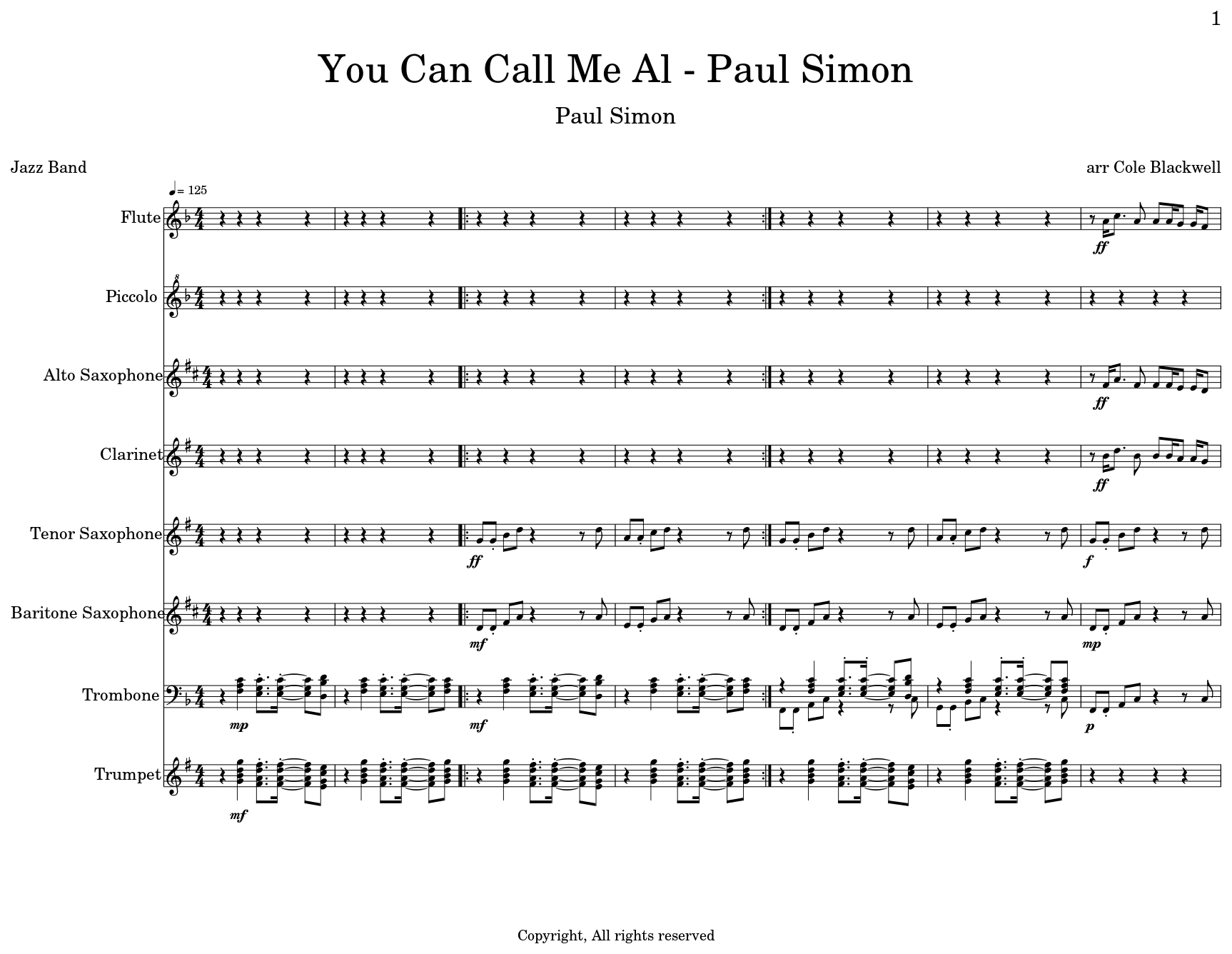
- Watch the Horns: The horn arrangement was done by Rob Mounsey. It’s incredibly syncopated. If you try to clap along to the horn stabs, you’ll realize how "off-beat" they actually are, which is what gives the song its kinetic energy.
There’s a reason this song is played at every wedding and Bar Mitzvah forty years later. It’s a perfect collision of New York neurosis and South African soul. It shouldn't work, but it does. Next time you hear those opening synths, remember it’s not just a "fun" song—it’s the sound of an artist finding his way out of the dark.
For your next deep dive into 80s production, check out the original session tapes for the Graceland album. You'll see how Simon built these songs from the rhythm up, rather than starting with a melody or a lyric, which was a complete reversal of how he had written music for the previous twenty years.



