Rock and roll survived the seventies, but barely. By 1981, The Who was a band in triage mode. Keith Moon, the literal engine of their chaotic sound, was gone. Pete Townshend was spiraling into various addictions. Roger Daltrey was trying to keep the ship upright while the floorboards were rotting. Then came You Better You Bet, a track that didn't just save their skins—it redefined what a "legacy act" could sound like in a new decade.
It's a weird song. Seriously.
If you listen to the lyrics, it's not some grand philosophical statement like Baba O'Riley. It’s a messy, sweaty, honest look at a guy who is basically begging for a reason to stay sober and stay in love. "I've got your body on my mind," Daltrey belts out, and suddenly, the band that defined mod culture in the sixties was somehow relevant in the era of neon and synthesizers.
The Sound of Survival
Most people don't realize how much pressure was on this specific track. Face Dances was the album, and the world was ready to write The Who off as dinosaurs. Kenny Jones had the impossible task of sitting in Moon’s drum throne. He didn't try to play like Keith—nobody can. Instead, he brought this steady, driving backbeat that gave You Better You Bet its distinctive, almost pop-rock polish.
It worked.
The song became a massive radio hit because it felt expensive. It felt clean. John Entwistle’s bass isn’t just a backing instrument here; it’s a lead melodic force. You can hear that "growl" he was famous for, but it’s tamed just enough to fit into a 1980s production booth. Honestly, if you strip away the vocals, the opening synth-pop pulse sounds like something that could have influenced a dozen New Wave bands.
Townshend wrote this for a woman named Beverly, a girlfriend he had during a particularly turbulent period of his life. It’s raw. When Roger sings about "drinking T-Bird" and "feeling low," he isn't acting. The band was actually living through that exhaustion. That’s probably why the song still resonates. It’s a "back against the wall" anthem.
Why the Music Video Mattered
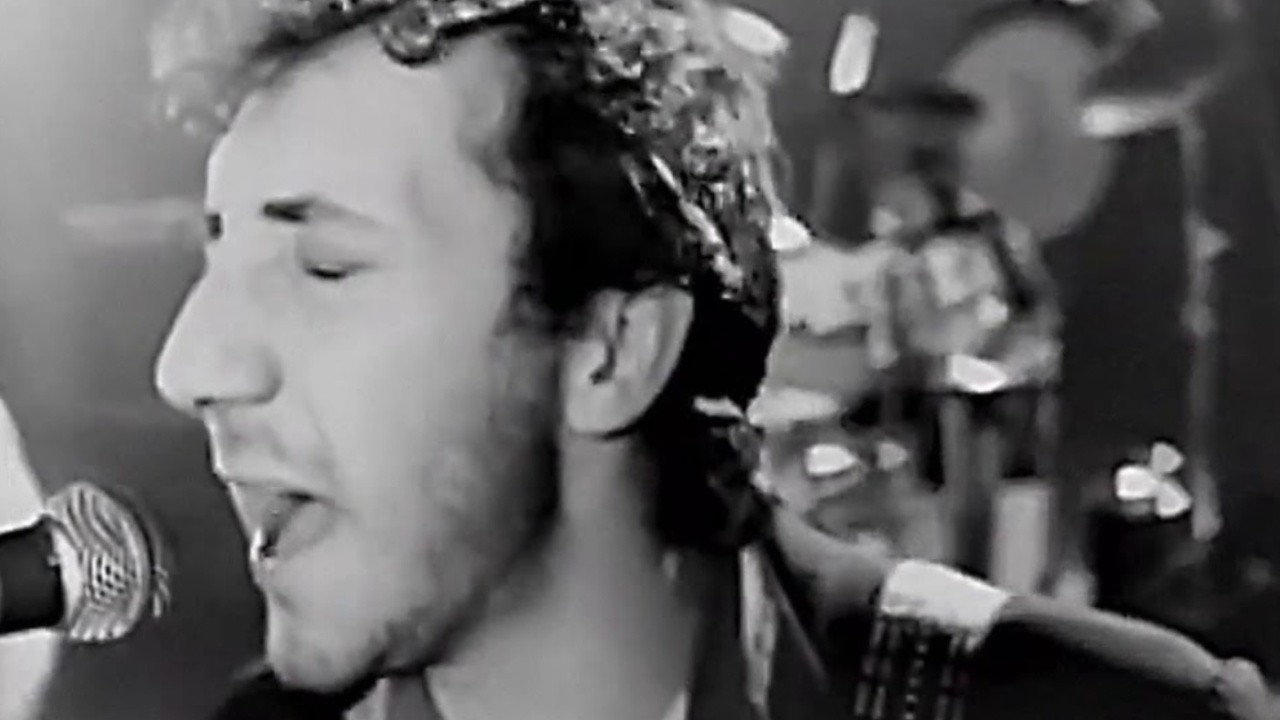
You’ve probably seen the video. It was one of the first ones played on MTV. Like, literally the fourth video ever aired on the channel. That's a huge deal. While other bands were wearing spandex and trying to look like space aliens, The Who just stood there in a black-and-white studio and played.
It was a masterclass in branding.
They looked like elder statesmen who could still kick your teeth in. Roger was still the ultimate frontman, swinging the mic, though with a bit more restraint than the Woodstock days. Pete was wearing that thin tie, looking like a nervous genius. This visual helped You Better You Bet bridge the gap between the boomers who grew up with Tommy and the Gen X kids who were just discovering music through a television screen.
Breaking Down the Lyrics
People get the meaning of this song wrong all the time. They think it's a straightforward love song. It’s not. It’s a song about being a "used-to-be."
"I'm not saying I'm sorry... I'm just saying I'm home."
That line is a gut punch. It’s the sound of a man who has burnt every bridge and is surprised there’s still someone on the other side waiting for him. Townshend has a knack for writing about vulnerability while making it sound like a stadium roar. The reference to Who's Next in the lyrics—"I've got a copy of Who's Next on my turntable"—is a bit meta, isn't it? It’s Pete acknowledging his own legacy while trying to move past it.
The Technical Magic
- The Piano: That bright, staccato piano riff is the song's heartbeat. It gives it a bouncy feel that masks the desperation in the lyrics.
- The Harmony: The backing vocals on the chorus are surprisingly complex. They create a wall of sound that makes the "You better, you better, you bet" hook impossible to get out of your head.
- The Ending: It doesn't fade out with a whimper. It ends with a definitive, punchy stop.
The Kenny Jones Debate
You can’t talk about You Better You Bet without the Kenny Jones conversation. Purists hated it. They wanted the sloppy, beautiful chaos of Keith Moon. But Keith couldn't have played this song. This track required a metronome-like precision. Kenny provided the "pocket" that allowed Pete to experiment with those early eighties synth textures.
Without Kenny’s discipline, the song would have fallen apart. It needed to be a hit. The band’s finances were a mess, their morale was lower than ever, and they needed a win. You Better You Bet gave them that win. It reached the Top 20 in the US and hit Number 9 in the UK. For a brief moment, The Who were the biggest band in the world again.
Impact on Modern Rock
If you listen to bands like The Killers or even some of the late-stage Foo Fighters stuff, you can hear the DNA of this era of The Who. It’s that blend of high-energy rock with a slight melodic "twinkle." It proved that rock bands could grow up without becoming boring.
It’s a song about the hangover after the party of the sixties.
When you hear it at a sporting event today—and you will, it’s a staple—most people just yell the chorus. They don’t think about Pete Townshend sitting in a room, struggling with his demons, trying to write his way back to sanity. But the grit is still there. You can feel it in Roger’s voice when he hits those high notes.
What to Do Next
If you want to really appreciate this track, stop listening to the radio edit.
Go find the live version from the 1982 tour. It’s faster, meaner, and you can hear the band trying to prove they still matter. Then, listen to the demo version Pete Townshend recorded. It’s much more fragile. It sounds like a secret.
- Listen to the bass track specifically. John Entwistle is doing things on a four-string that shouldn't be possible in a pop song.
- Watch the MTV video. Look at the eyes of the band members. They aren't just performing; they are surviving.
- Read the lyrics without the music. It reads like a poem about aging and the fear of being forgotten.
The Who didn't just give us a catchy hook. They gave us a roadmap for how to keep going when the world thinks you're done. That's the real legacy of You Better You Bet. It’s not just a song; it’s a pulse. It’s a reminder that even when you’re "moving with the fashion," you can still keep your soul.
Check out the Face Dances 40th Anniversary editions if you can find them. The remixed versions bring the drums forward and make the whole thing feel much more modern. It’s worth the deep dive just to hear the interplay between the guitar and the synthesizers. Don't let anyone tell you The Who ended in 1978. This track proves they had plenty of fire left in the tank.



