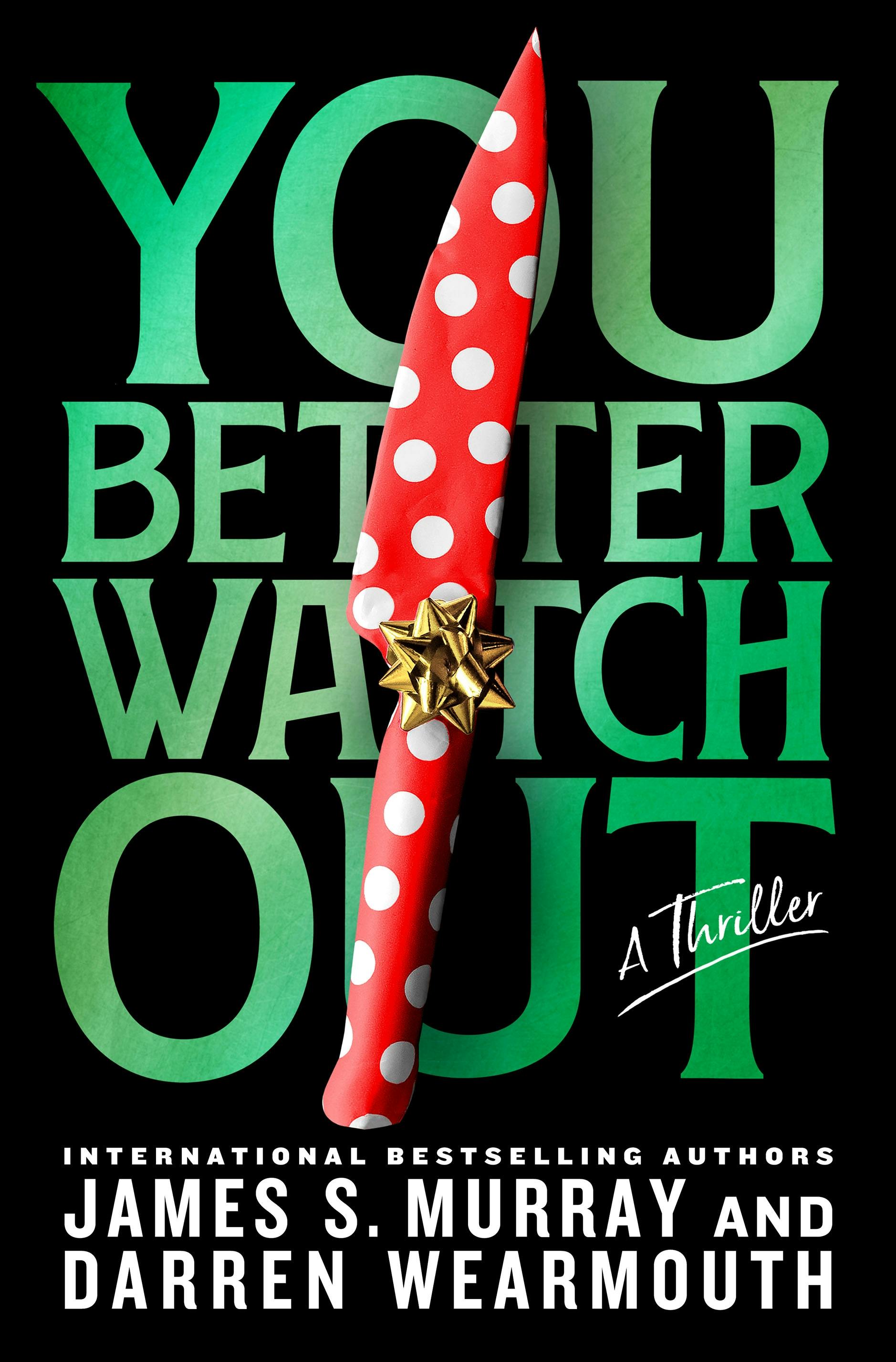
Holiday horror is a weirdly specific itch to scratch. Usually, you get a guy in a cheap Santa suit swinging an axe or some folklore demon like Krampus dragging kids into a sack. But then there’s You Better Watch Out, a thriller released in 2016 (though you might know it better by its more common title, Better Watch Out), that takes the "Home Alone" premise and turns it into a genuine nightmare. It’s mean. It’s clever. Honestly, it’s one of those movies that makes you feel a little bit greasy after the credits roll, but you can't stop thinking about it.
Most people went into this thinking it was a standard home invasion flick. You know the drill. A babysitter, a precocious kid, and some masked creeps outside in the snow. But about thirty minutes in, the movie pulls the rug out from under you so hard you might get whiplash. It stops being a "survival" movie and becomes a character study of a burgeoning sociopath.
The Subversion of the Home Alone Fantasy
We’ve all seen Kevin McCallister defend his house with micro-machines and paint cans. It’s whimsical. In You Better Watch Out, directed by Chris Peckover, that whimsicality is weaponized. The film stars Levi Miller as Luke, a twelve-year-old who is very clearly "not okay," and Olivia DeJonge as Ashley, the babysitter he’s obsessed with.
The brilliance of the script—co-written by Zack Kahn—is how it uses our nostalgia against us. We are conditioned to root for the kid. When the "intruders" show up, you expect the traps to be funny. Instead, they are lethal. They are cruel. This isn't a game of slapstick; it's a calculated series of crimes. The film forces the audience to confront the reality of what a "trap-filled house" would actually look like if the person setting them didn't have a moral compass.
It’s a dark reflection of toxic masculinity in its most embryonic, terrifying form. Luke isn't a monster from a lagoon or a slasher in a mask. He’s a middle-class kid with a sweater vest and a massive sense of entitlement. He believes he is owed Ashley’s affection, and when he doesn't get it, he decides to "script" a reality where he can be the hero. Or the villain. It doesn't matter to him, as long as he's the lead.
Why the Twist Works So Well
You can't talk about You Better Watch Out without talking about that pivot. Spoilers are usually a bummer, but for a movie that’s been out for nearly a decade, the mechanics of its "reveal" are worth studying.
Most thrillers tip their hand too early. You see the killer's eyes or hear a familiar voice. Peckover keeps the camera tight on Luke’s face, playing up the "scared kid" trope until the exact moment Ashley figures it out. The shift in Levi Miller’s performance is chilling. He goes from a stuttering, lovestruck pre-teen to a cold, calculating manipulator in a single heartbeat. It’s a performance that carries the entire second half of the film.
There's this one specific scene involving a swinging paint can—a direct homage to Home Alone—that serves as the definitive "point of no return." In the 1990 classic, the burglars get a bump on the head. In this movie? Well, physics actually works. It's brutal. It's messy. It's the moment the movie stops being a fun holiday romp and becomes a high-stakes hostage situation.
A Masterclass in Single-Location Tension
The entire movie takes place almost exclusively within the confines of a suburban home. This is a budget-saver, sure, but it also creates an incredible sense of claustrophobia. The house, which starts as a cozy sanctuary filled with Christmas lights and warm tones, slowly transforms into a prison.
- The lighting shifts from warm ambers to cold, harsh blues and greys as the night progresses.
- The geography of the house is established early, so when characters are running for their lives, you know exactly where they are headed.
- Sound design is minimal. No overbearing jump-scare violins. Just the creak of floorboards and the terrifyingly calm voice of a child who knows exactly where the spare keys are.
Comparing You Better Watch Out to Modern Slashers
When you look at the landscape of horror in the late 2010s, we were seeing a lot of "elevated horror" like Hereditary or The Bitch. You Better Watch Out doesn't really fit that mold. It’s more of a throwback to the "nasty" thrillers of the 70s, like The Last House on the Left, but dressed up in suburban drag.
It’s often compared to The Babysitter (2017), which came out around the same time on Netflix. While The Babysitter is a campy, gore-filled comedy, Better Watch Out is significantly darker. It doesn't want you to laugh. It wants you to be uncomfortable. It wants you to look at the "nice kid next door" and wonder what he’s searching for on his iPad when his parents aren't looking.
The film also predates the massive wave of "incel-themed" thrillers that would follow. It captures that specific brand of "nice guy" entitlement perfectly. Luke doesn't see himself as a villain; he sees himself as a protagonist who has been wronged by a girl who won't love him back. It’s a terrifyingly grounded motivation that feels much more real than a supernatural curse or an escaped mental patient.
The Technical Execution: Making a Small Movie Feel Big
The cinematography by Carl Robertson is surprisingly lush for what is essentially a small-scale indie thriller. He uses a lot of wide-angle shots to show the emptiness of the house, emphasizing how alone Ashley really is. There are no neighbors coming to save her. The snow-covered streets outside look like a postcard, but they might as well be an ocean.
The pacing is also incredibly tight. At roughly 89 minutes, there is zero fat on this movie.
- The Setup: 20 minutes of character building and fake-out tension.
- The Reveal: The 10-minute sequence where the "intruders" are revealed and the power dynamic shifts.
- The Siege: The final hour of psychological warfare and escape attempts.
It follows a traditional three-act structure but fills those acts with subversions that keep even seasoned horror fans guessing. You think she's going to get out the window? Think again. You think the best friend is going to be the hero? Not a chance.
Critical Reception and Cult Status
When it first hit the festival circuit—playing at Fantastic Fest and Fantasia—the buzz was electric. Critics praised it for its audacity. It currently sits with an 89% on Rotten Tomatoes, which is exceptionally high for a holiday horror-thriller. However, it didn't blow up the box office. It was a "word of mouth" hit that found its real audience on streaming services and Blu-ray.
Part of why it hasn't become a household name like Halloween or Scream is probably because it’s so mean-spirited. It’s a tough watch. It doesn't give the audience many "wins." But for those who like their thrillers with a side of pitch-black nihilism, it has become an annual December staple. It’s the perfect antidote to the saccharine sweetness of the Hallmark channel.
Practical Takeaways for Your Next Rewatch
If you’re planning on diving into You Better Watch Out this weekend, or if you’re a fan looking to catch things you missed, keep these details in mind. They change the way you see the characters.
Pay attention to the background props. Early in the film, the camera lingers on things that seem like typical "kid stuff"—video games, walkie-talkies, school projects. Once the twist happens, you realize these weren't just props; they were the tools Luke used to plan the evening. The "intruders" weren't random; every move was choreographed.
Watch Luke's eyes, not his mouth. Levi Miller plays the "innocent kid" role so well that you might actually believe him the first time. On a second watch, look at his eyes when he thinks Ashley isn't looking. The mask slips constantly. It’s a nuanced bit of acting that is easy to miss when you're caught up in the plot.
Don't expect a "happy" ending. Without giving the final frames away, this isn't a movie where the hero walks off into the sunset while the police arrive. It’s a movie that understands that sometimes, the most dangerous people are the ones who know how to play the system.
How to Stream and What to Watch Next
As of 2026, the film is widely available on most major VOD platforms like Amazon Prime, Apple TV, and Shudder. If you enjoy this specific brand of "home invasion with a twist," there are a few other films you should add to your queue:
- Funny Games (1997 or 2007): If you want something even more nihilistic and meta, Michael Haneke’s masterpiece is the gold standard.
- The Visit (2015): Also starring Olivia DeJonge and Ed Oxenbould (who plays Garrett in Better Watch Out), it deals with similar themes of "kids in peril" with a massive twist.
- Don't Breathe (2016): Another "subverted" home invasion where the person being robbed is actually the most dangerous person in the room.
To get the most out of your viewing experience, try to go in as blind as possible. Don't watch the trailers if you haven't seen them yet—they give away way too much of the mid-movie shift. Just turn off the lights, ignore the Christmas carols outside, and prepare to be deeply, deeply uncomfortable.
The best way to appreciate this thriller is to view it as a cautionary tale about the stories we tell ourselves. It’s a reminder that the monsters aren't under the bed; sometimes, they’re just waiting for their parents to go to a holiday party so they can finally "be themselves."
Actionable Next Steps: Check your local streaming listings for Better Watch Out. If you’ve already seen it, watch it again specifically focusing on the "Garrett" character (played by Ed Oxenbould) to see how much he was in on the plan from the start. Compare the "traps" in this film to the ones in the 1990 classic to see the direct visual parallels Chris Peckover used to critique the genre.



