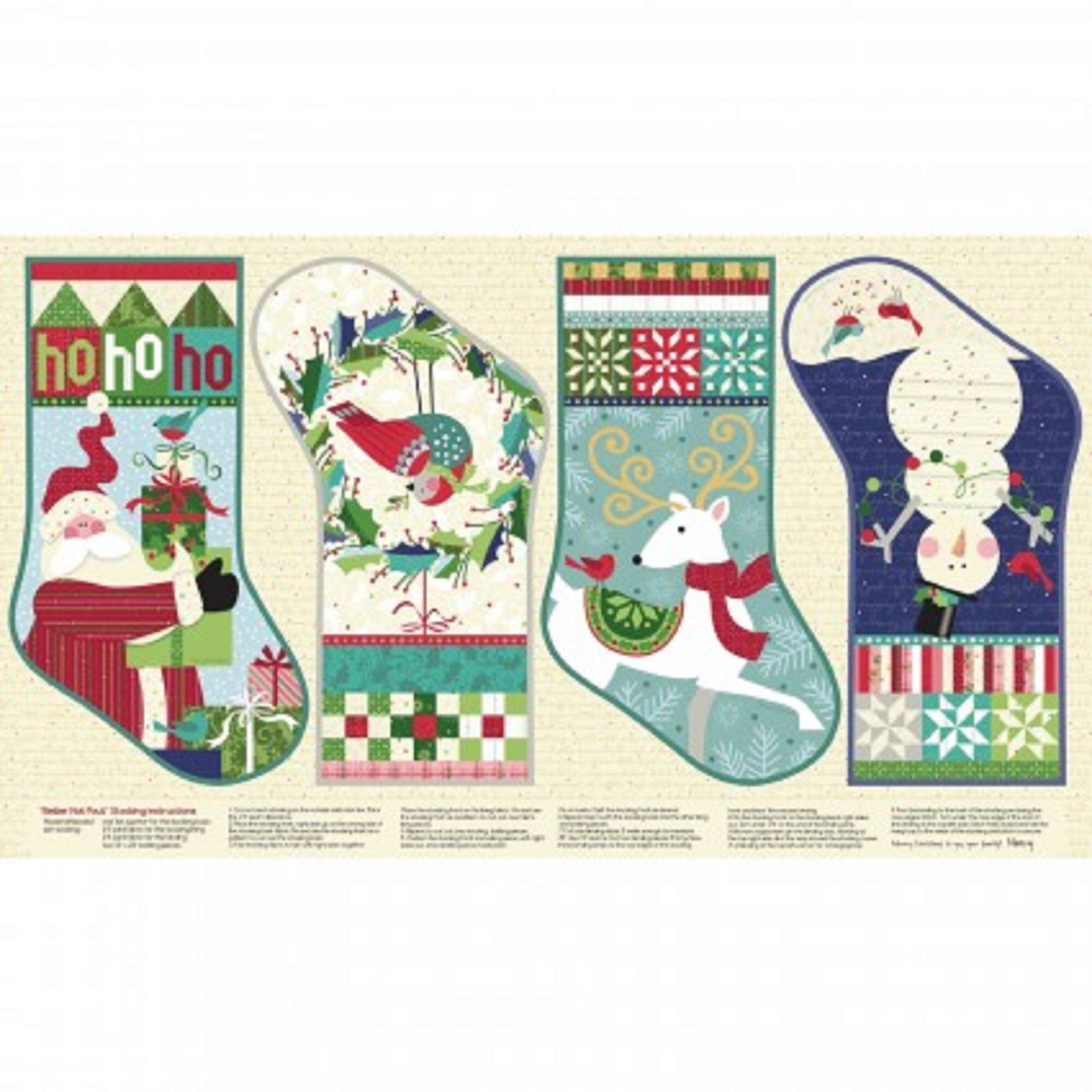
We all know the lyrics. They’re baked into our collective holiday DNA by the time we’re old enough to hold a gingerbread man. But if you actually stop and listen to the words "you better not pout" during the Christmas rush, it hits a bit differently when you’re an adult trying to navigate the chaos of December. It isn't just a catchy line from a 1934 hit; it’s a cultural directive that has shaped how we handle—or mask—our emotions for nearly a century.
The song Santa Claus Is Comin' to Town, written by Haven Gillespie and J. Fred Coots, was an instant smash. It debuted on Eddie Cantor's radio show during the height of the Great Depression. Think about that context. People were struggling. Life was objectively hard. And yet, the airwaves were blasting a cheerful warning that "you better not pout" because a judgmental figure was headed your way with a list.
The Psychology of the Pout
What is a pout, really? It’s a silent protest. It's what happens when a person—usually a child, but let's be real, adults do it too—feels a sense of injustice but lacks the agency to change the situation. When we tell someone you better not pout, we’re essentially telling them to "perform" happiness.
Psychologists often talk about "toxic positivity" during the holidays. This is that internal pressure to feel merry and bright even if you’re burnt out, grieving, or just plain tired. Dr. Susan David, a psychologist at Harvard Medical School and author of Emotional Agility, often argues that forcing ourselves to be happy can actually make us more miserable. By suppressing the "pout," we aren't getting rid of the frustration. We're just burying it under a layer of tinsel.
It’s kinda fascinating how a simple song lyric became a primary tool for behavioral management in households across the globe. You’ve probably seen the Elf on the Shelf—that felt-bodied spy who watches for any sign of a frown. It’s the modern evolution of the same sentiment. "He sees you when you're sleeping." It's a bit creepy when you actually think about the surveillance aspect of it all.
The 1934 Origin Story
The history of the song is actually a bit more somber than the melody suggests. Haven Gillespie was reportedly riding the subway in New York, feeling deeply depressed after the death of his brother. His publisher wanted a Christmas song. Gillespie wasn't in the mood. He was, quite literally, pouting at the world.
He started reminiscing about his mother and the things she used to tell him to keep him in line. She was the one who used to say, "You better watch out, you better not cry." He scribbled the lyrics on the back of an envelope in about fifteen minutes. He wasn't trying to write a philosophical treatise on emotional regulation. He was just trying to get a job done while feeling low.
When the song took off, it changed everything. It sold 400,000 copies of sheet music in just a few weeks. That’s wild for 1934. It tapped into a desperate need for order and hope. But it also reinforced this idea that "goodness" is tied to a cheerful exterior.
Why the "Better Not Pout" Mantra Backfires
If you've ever tried to force a kid to stop pouting at a mall Santa photo op, you know it never works. The eyes get redder. The lip sticks out further. The tension in the room goes through the roof.
The Cost of Emotional Suppression
- Increased Stress: Research shows that masking emotions causes a spike in the sympathetic nervous system. Basically, your heart rate goes up because you're fighting yourself.
- Reduced Connection: When we can't be honest about being stressed or sad, we can't actually connect with the people around us.
- Holiday Burnout: The effort required to keep up the "no pouting" facade is exhausting. By December 26th, most of us are ready to collapse.
Honestly, the holidays are a high-stakes emotional environment. There’s the financial pressure of gift-giving. There’s the social pressure of seeing family members who might still treat you like you’re twelve. Expecting someone to "not pout" under those conditions is a tall order.
We’ve turned a song lyric into a social contract. You show up, you smile, you eat the dry turkey, and you don’t complain. But maybe the pouting is trying to tell us something. Maybe it’s a signal that we’ve overextended ourselves or that our boundaries are being crossed.
Reframing the Warning
What if we looked at you better not pout as a reminder to check in rather than a command to shut down? Instead of telling a child (or ourselves) to stop pouting, we could ask why the pout is there.
Social worker and researcher Brené Brown often talks about the importance of "staying in the messy middle." The holidays are peak messy middle. You can be grateful for your family and still be annoyed that your uncle is talking politics. You can love the lights and still feel the weight of someone who isn't there this year to see them. Both things are true.
It’s okay to cry. It’s okay to pout. Santa—if we’re going with the lore—is supposed to be a figure of grace, not just a cosmic auditor.
Breaking the Cycle of Performative Joy
If you want to survive the season without losing your mind, you have to ditch the "no pouting" rule. Here’s how that actually looks in real life:
- Acknowledge the Suck: If a tradition is making everyone miserable, say it. "Hey, this three-hour drive to see a light display is actually making us all cranky. Let's stay home and order pizza instead."
- The Five-Minute Pout: Give yourself or your kids five minutes to be absolutely miserable. Set a timer. Lean into it. Usually, once the emotion is validated, it dissipates on its own.
- Lower the Bar: Most of the pouting comes from unmet expectations. If you expect a Hallmark movie and get a Chevy Chase comedy, you're going to be disappointed. Aim for "fine." "Fine" is a great holiday goal.
The Cultural Longevity of the Lyric
Why does this specific phrase stick? It’s the rhythm. "You better watch out / You better not cry / Better not pout / I'm telling you why." It’s an infectious, bouncy melody that masks a pretty stern warning. It’s the ultimate "sugar-coated" directive.
Across different versions—from Bing Crosby’s smooth crooning to Bruce Springsteen’s gravelly, high-energy rock take—the message remains the same. Springsteen’s version is particularly interesting because he laughs through it. He makes the "he sees you when you're sleeping" part sound like a joke between friends. That’s probably the healthiest way to take it. It’s a bit of folklore, a bit of fun, and shouldn't be a lifestyle manual.
We live in a world that is increasingly obsessed with "vibe-checking." We want everything to be "good vibes only." But life isn't a curated Instagram feed. Life is messy. December is messy. If we can't pout when we're stressed, when can we?
Actionable Steps for a Pout-Free (or Pout-Friendly) Season
Instead of repressing your feelings to fit the lyrics of a 90-year-old song, try these practical shifts. They might actually make you feel better than a fake smile ever could.
- Establish a "Safe Word" for Overstimulation: When the party gets too loud or the family dinner gets too tense, have a word that means "I need ten minutes of quiet in the bathroom." No questions asked.
- Prioritize Sleep Over Perfection: Most holiday pouting (especially in adults) is just chronic sleep deprivation. Skip the midnight gift wrapping and go to bed. The kids won't care if the paper is slightly wonky.
- Stop the Comparison Game: You aren't pouting because your life is bad; you're pouting because it doesn't look like the "perfect" version you see on TikTok. Delete the app for 48 hours.
- Validate the Kids: If your child is pouting because they didn't get the exact toy they wanted, don't shame them with "you better not pout." Say, "It's tough when you really hoped for one thing and got another. Let's take a minute." It diffuses the bomb way faster.
The real magic of the season isn't in the absence of negative emotions. It’s in the presence of real ones. If you're feeling the urge to pout, let it happen, figure out why, and then move on. You don't owe anyone a performance. Not even a guy in a red suit who’s supposedly checking a list twice.
Take the pressure off. Breathe. If you need to pout for a second, go ahead. Just don't let it ruin the eggnog.
Next Steps for a Stress-Free Holiday:
- Identify your primary holiday stressor: Is it money, time, or a specific person?
- Set one firm boundary: Decide now that you will leave the party by 9:00 PM or that you won't discuss work during dinner.
- Audit your traditions: If there is something you do every year "for the kids" that actually makes everyone miserable, cut it. Replace it with something low-effort and high-connection.
- Embrace the "B-minus" Christmas: Let go of the need for everything to be spectacular. A "pretty good" holiday is a massive win.



