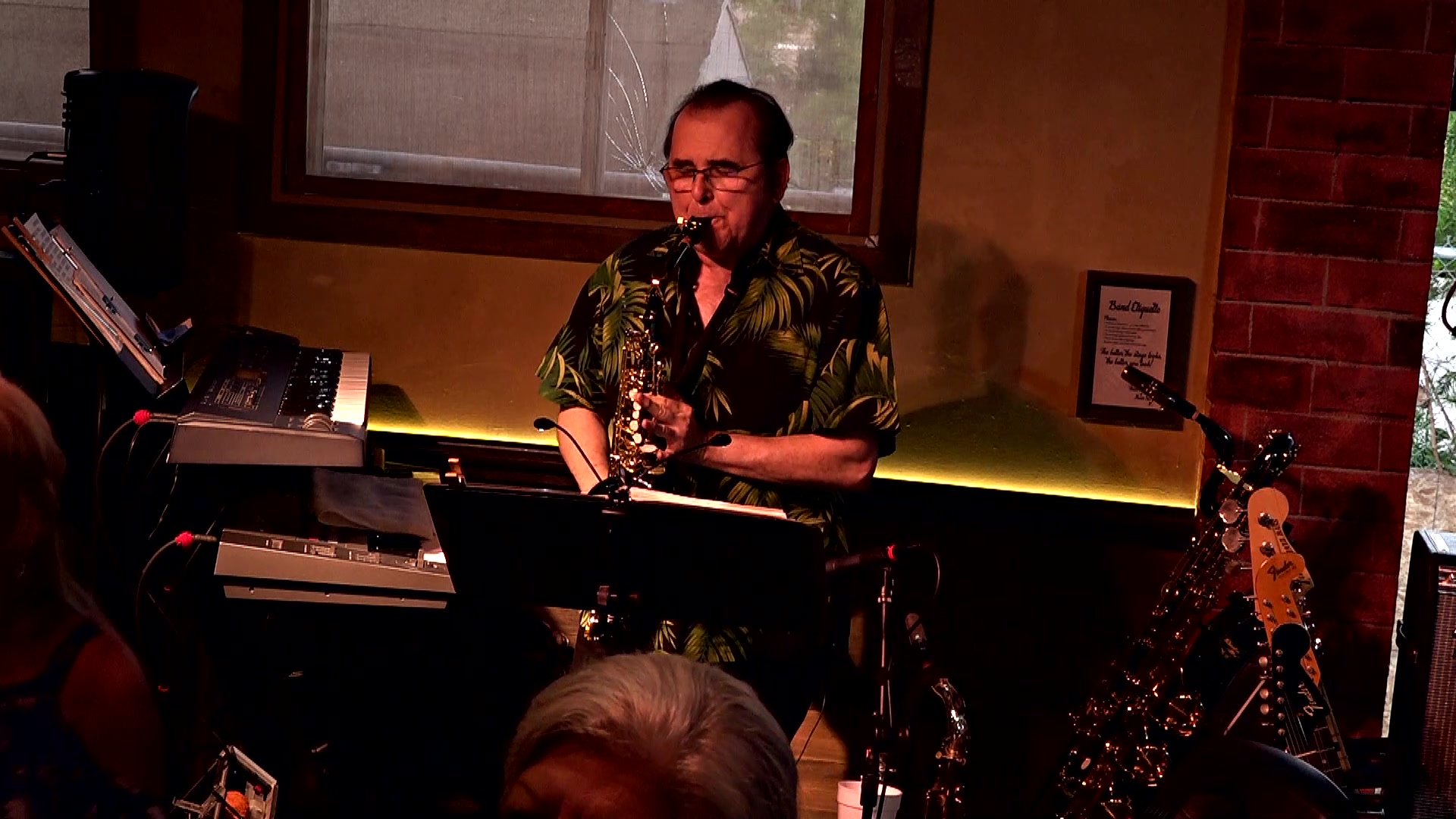
The saxophone wails. It isn't just a note; it's a mood. Within five seconds of hearing that sultry, echoing alto sax, you aren't just listening to a song anymore. You’re in a 1985 Chrysler LeBaron, driving through a rain-slicked Manhattan at 2 AM, watching the neon reflect off the puddles. You belong to the city you belong to the night. It’s more than a lyric; it’s a lifestyle choice captured in four minutes and forty-eight seconds of synth-pop perfection.
Glenn Frey was already a titan when he wrote this. The Eagles were his legacy, but the mid-80s were his playground. While "The Heat Is On" was the high-energy chart-topper for Beverly Hills Cop, "You Belong to the City" was the soul of Miami Vice. It reached number two on the Billboard Hot 100 in late 1985. It didn't just climb the charts; it defined the "cool" of an entire decade.
The Saxophone That Defined an Era
Let’s talk about that horn. Bill Bergman is the man behind the most recognizable saxophone riff in television history. Interestingly, Frey didn't want a generic solo. He wanted something that felt like a heartbeat. The city's heartbeat.
The song captures a very specific type of urban loneliness. It’s not the "I’m sad and alone" kind of vibe. It’s more of an "I am a part of this concrete machine" feeling. You’ve felt it. That moment when you’re walking home through a crowded street and realize that despite being surrounded by millions, you are an island. Frey’s delivery is detached but knowing. He isn't judging the city; he's acknowledging that it owns him.
Most people don't realize that Frey played almost everything on the track. He played the synthesizers and the drum programming. He was leaning hard into the technology of the time. This wasn't the country-rock harmony of the Eagles. This was cold, calculated, and sleek. It was the sound of a man reinventing himself for a digital age.
Why Miami Vice Needed This Track
Michael Mann, the executive producer of Miami Vice, had a vision for television that didn't exist before 1984. He wanted "MTV with a plot." Music wasn't background noise; it was a character.
In the episode "Prodigal Son," which kicked off Season 2, "You Belong to the City" wasn't just played—it was showcased. The visuals of New York City, gritty and dark, contrasted with the pastel-soaked Miami we were used to. The song acted as the bridge. It told the audience that the darkness of the city follows you, no matter the zip code. Honestly, the song did more for the show’s "no-socks" aesthetic than any suit ever could.
The lyrics hit on a universal truth about urban survival. When Frey sings about "the streets you used to know," he’s talking about displacement. He’s talking about the way a city changes but the night stays the same. The night is the great equalizer. In the dark, the skyscrapers look like gods, and the people underneath look like shadows.
The Gear and the Sound
If you’re a gearhead, the mid-80s are a goldmine of specific sounds. This track is a masterclass in using the Yamaha DX7. It’s that digital, crystalline sound that defined the decade. Compare it to the warm, fuzzy analog sounds of the 70s, and it’s like moving from a cozy fireplace to a fluorescent-lit office building. It’s sterile, yet somehow, Frey makes it soulful.
The drum machine—likely a LinnDrum or a Roland TR-808 derivative—provides a steady, unyielding pulse. It’s the sound of a ticking clock. It’s the sound of the subway. It reminds you that the city never actually sleeps; it just cycles.
What People Get Wrong About the 80s Sound
Many critics dismiss 80s pop as "overproduced." That’s a lazy take. In the case of this track, the production is the point. The "bigness" of the reverb and the sharpness of the percussion reflect the architecture of the 1980s. Huge buildings. Huge egos. Huge hair. The song is a sonic reflection of the environment it describes.
Frey and co-writer Jack Tempchin (the same genius who wrote "Peaceful Easy Feeling") knew what they were doing. They weren't trying to be deep poets; they were trying to be photographers. They were taking a picture of a feeling. That feeling of belonging to something that doesn't care if you exist.
The Cultural Longevity of the "Night" Aesthetic
Why do we still listen to this? Why does a song from 1985 still feel relevant in 2026?
It’s because the "Synthwave" movement and "Lo-fi beats to study to" culture owe everything to tracks like this. There is a whole generation of listeners who weren't even born when Frey died in 2016, yet they find solace in this noir atmosphere. We are still obsessed with the "aesthetic" of the urban night.
Think about movies like Drive or shows like Stranger Things. They are chasing the ghost of this song. They want that mixture of cool detachment and underlying tension.
The Lyrics: A Breakdown of the "City Soul"
- "The colors are changing / In the blink of an eye" - This isn't just about traffic lights. It's about how quickly fortunes change in a metropolitan environment.
- "You can feel the heat / Even in the rain" - This is pure Michael Mann. The idea that the city is a living, breathing, steaming organism.
- "You belong to the city" - This is the central hook. It’s a statement of ownership. You don’t live in the city; the city lives in you.
The Music Video: A Time Capsule
The video is basically a short film. Frey, looking sharp in a long coat, wanders through New York. It’s grainy. It’s moody. It features a young woman who seems to be his counterpart in this urban odyssey.
What’s striking is how much it emphasizes the "belonging." They don't have a big dramatic meeting. They just exist in the same space. They are both parts of the machinery. If you watch it today, it’s a fascinating look at a New York that no longer exists—pre-gentrification, rough around the edges, and genuinely dangerous-looking.
Actionable Insights for the Modern Listener
If you want to truly experience the vibe that Glenn Frey was going for, you can't just play it on your phone speakers while doing the dishes. It requires a specific set of circumstances to fully "get" it.
- The Drive Test: Wait until after midnight. Find a route with a lot of streetlights or a skyline view. Put this track on. The tempo is designed for a steady 40 MPH cruise.
- Pair it with Cinema: Watch the Miami Vice pilot or the "Prodigal Son" episode. See how the music dictates the camera movement.
- Explore the Tempchin Catalog: If you like the songwriting, look into Jack Tempchin’s other works. He is the secret weapon of the Eagles' era.
- Listen to the B-Side: Check out "The Heat Is On" immediately afterward to see the duality of Glenn Frey's 80s persona—the high-octane rocker versus the smooth urban philosopher.
The reality is that you belong to the city you belong to the night isn't just a catchy phrase. It’s an anthem for the nocturnal among us. It’s for the people who find their energy after the sun goes down and find their peace in the middle of a crowd. Frey might be gone, but the city he described is still right outside your window, waiting for the sun to drop so it can claim you again.
Next Steps to Deepen the Experience:
- Audit your playlist: Look for the "Sax-Noir" subgenre. Artists like The Midnight or Gunship are modern torchbearers of this specific 1985 sound.
- Analyze the Gear: Look up the history of the Yamaha DX7 to understand why that "icy" keyboard sound was so revolutionary for artists transitioning from the 70s to the 80s.
- Revisit the Miami Vice Soundtrack: It was the first TV soundtrack to reach number one on the Billboard charts. It changed the business of music in television forever.



