The sun goes down, the humidity clings to the pavement, and that saxophone starts to wail. You know the sound. Even if you weren't alive in 1985, you've felt the mood of You Belong to the City. It’s more than just a song; it’s a specific kind of atmospheric architecture.
It’s the sound of steam rising from a New York manhole cover or the neon reflection in a puddle on Ocean Drive. Glenn Frey, fresh off the massive success of the Eagles and looking to carve out a solo identity, didn't just write a pop song for a TV show. He captured the psychological relationship we have with concrete jungles.
Most people associate it strictly with Miami Vice. That’s fair. The show basically acted as a weekly hour-long music video for the coolest tracks of the mid-80s. But You Belong to the City actually outlived the pastel suits and the Testarossas. It hit number two on the Billboard Hot 100 for a reason. It spoke to the loneliness of being surrounded by eight million people.
The Saxophone Hook That Ate the Eighties
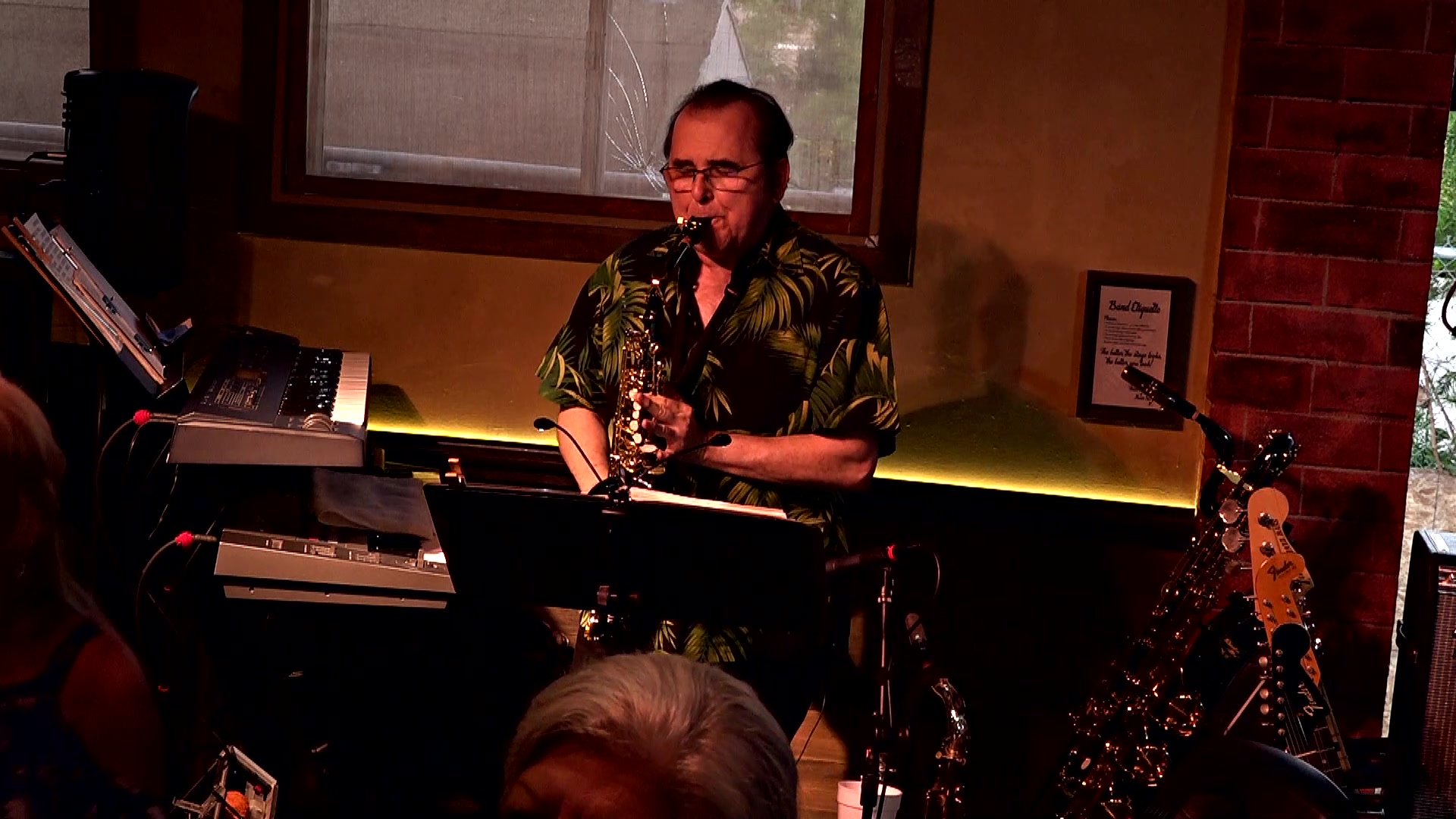
Let’s talk about that opening. It is arguably the most recognizable saxophone riff in pop history, right up there with Careless Whisper and Baker Street. Played by Bill Bergman, that alto sax line feels like a siren song. It’s gritty. It’s lonely. It’s sharp enough to cut through the heavy Yamaha DX7 synthesizer layers that define the track’s production.
Frey and his longtime collaborator Jack Tempchin weren't trying to write a happy tune. They were trying to capture "noir." Think about the lyrics. You're looking at the "shadows in the alley" and the "restless eyes." It’s an observation of survival.
People often forget how high the stakes were for Frey at this moment. Don Henley was winning Grammys for The Boys of Summer. Frey needed a win that proved he wasn't just "the guy from the Eagles." He needed to be the sound of the modern era. When Michael Mann, the executive producer of Miami Vice, asked for a song for the episode "The Prodigal Son," Frey delivered something that felt like a movie script in four minutes.
Why the Song Actually Works (Technically Speaking)
Musically, the song is a masterclass in tension. It stays on a driving, repetitive beat—a LinnDrum pattern that feels like a heartbeat after too much coffee.
- The Tempo: It’s mid-tempo, which is dangerous for a hit. Too fast and it’s a dance track; too slow and it’s a ballad. It sits right in that "driving through the city at 2 AM" pocket.
- The Arrangement: Everything is layered. You have the mechanical drums, the lush synth pads, and then Frey’s vocal, which is surprisingly understated. He’s not screaming. He’s telling you a secret.
Frey played almost everything on the track except the saxophone. He was an early adopter of the "one-man studio" approach that technology was making possible. This gave the song a cohesive, almost claustrophobic feel. It fits the theme. You’re alone in your car, alone in your head, even when You Belong to the City.
Interestingly, the music video was filmed in New York City, not Miami. This was a deliberate choice. While the song debuted on a show set in Florida, the vibe was universal urban decay and rebirth. You see Frey wandering the streets of Greenwich Village and Times Square before it was "Disneyfied." It’s a time capsule of a grittier, more dangerous Manhattan.
The Miami Vice Connection and Cultural Impact
You can't separate the song from the show, and you shouldn't. Michael Mann used music differently than anyone else on television. He didn't want background noise; he wanted the music to tell the story. In "The Prodigal Son," the song plays as Crockett and Tubbs head to New York. It bridges the gap between the tropical neon of Miami and the grey steel of the North.
Critics at the time were sometimes dismissive. They called it "yuppie rock" or "corporate synth-pop." But that ignores the genuine soul in the performance. There’s a weariness in Frey’s voice.
By the time the Miami Vice soundtrack hit the shelves, it stayed at number one on the Billboard charts for 11 weeks. Think about that. An album of TV show music dominated the industry. You Belong to the City was the anchor of that success. It proved that the "Eagles sound" could evolve into something sleeker and more cynical.
Misconceptions: It’s Not Just About Partying
A big mistake people make is thinking this is a "party" anthem. It’s actually pretty dark. "You can feel it in the streets, you can feel it in the air." That’s paranoia. It’s about the fact that once the city gets its teeth into you, you can't leave. You’re part of the machinery.
Frey was tapping into a very specific 1980s anxiety. The world was getting faster. Cities were getting more crowded, yet people were reporting higher levels of isolation. The song captures that "crowded solitude."
Living With the Legacy
When Glenn Frey passed away in 2016, this was one of the songs that fans played on loop. It wasn't just Hotel California or Take It Easy. It was the city song.
Why? Because it’s timeless. Every generation has its version of the "big city dream" that turns into a "big city reality." Whether you're an intern in London, a coder in San Francisco, or a bartender in Tokyo, the sentiment remains the same. The lights are bright, but they don't always keep you warm.
The song has been sampled and referenced countless times. Jay-Z’s The City Is Mine famously flipped the hook. It’s a testament to the song's DNA—it’s built on a groove that doesn't age. The production might scream 1985, but the feeling is eternal.
How to Experience the Song Today
If you want to really "get" the track, don't listen to it on your laptop speakers while doing chores. That’s a waste.
Wait until the sun is down. Get in a car. If you don't have a car, put on some decent headphones and go for a walk in a downtown area. Look at the office buildings with only a few lights left on. Look at the people waiting for the bus.
That’s when the lyrics start to make sense. "The city's a jungle, you better take care." It’s advice as much as it is a description.
Actionable Steps for Music Lovers and Creators
If you are a musician or a fan of 80s culture, there are a few things you can do to dive deeper into this specific era of "urban noir":
- Analyze the LinnDrum Programming: If you’re a producer, look at how Frey used the LM-2. It’s not just a beat; it’s the backbone. Notice the lack of swing. It’s rigid, which creates that mechanical, "industrial" city feel.
- Watch the "Prodigal Son" Episode: To see the song in its intended habitat, watch the Miami Vice Season 2 premiere. See how the editing matches the saxophone swells. It’s a lesson in visual storytelling through audio.
- Explore the Jack Tempchin Catalog: If you like the songwriting, look up Jack Tempchin’s other work. He wrote Peaceful Easy Feeling and Already Gone. Seeing the bridge between those folk-rock hits and the synth-heavy You Belong to the City shows how versatile a great songwriter can be.
- Visit the Locations: Next time you’re in New York, walk around the 5th Avenue and 57th Street area near where the video was shot. It’s changed, but the "canyons of steel" Frey sang about are still there, looming over everyone.
Ultimately, the song serves as a reminder that we don't just live in cities; we belong to them. They shape our habits, our music, and our loneliness. Glenn Frey caught lightning in a bottle with this one, and forty years later, the lightning hasn't faded. It’s still flashing in the neon.



