Glenn Frey didn't just write a song when he put together You Belong the City. He basically bottled the entire aesthetic of 1985 and sprayed it across the airwaves. You know the vibe. Neon lights reflecting off a wet windshield. A lone saxophone wailing over a programmed drum beat. It’s peak urban isolation.
Honestly, it’s a bit of a miracle the song even exists. Frey was already a massive star from his days with the Eagles, but the solo transition is always a gamble. Then comes Miami Vice. The show wasn't just TV; it was a cultural reset for fashion and music. Michael Mann needed a sound that felt like heat, cocaine, and expensive linen suits. Frey delivered exactly that.
The Story Behind You Belong the City
The song was written specifically for the Miami Vice episode "Prodigal Son." Frey collaborated with Jack Tempchin, the same guy who co-wrote "Peaceful Easy Feeling." They weren't trying to make a country-rock hit this time. They were chasing something darker. Something synthesized.
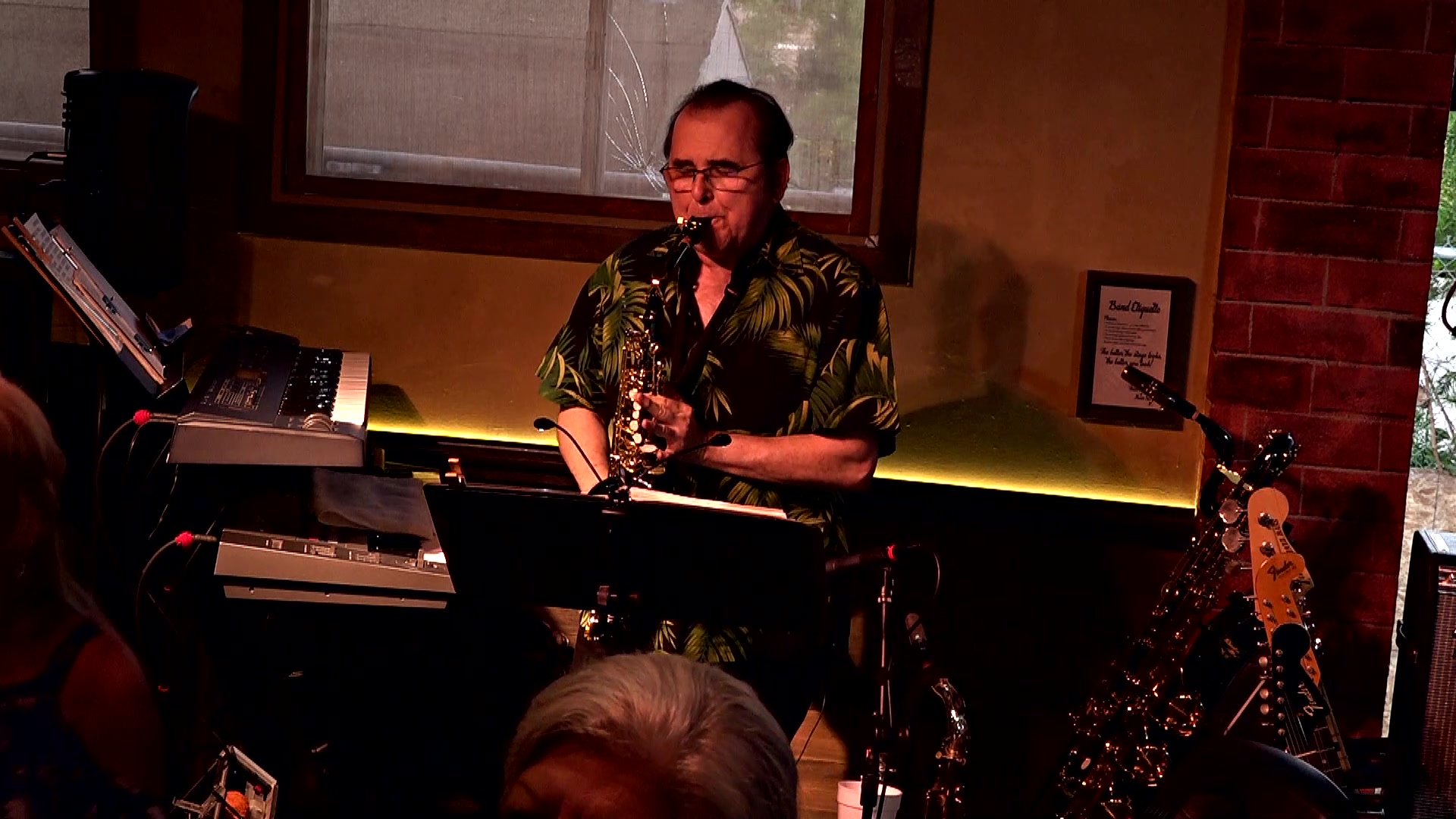
Recording happened at Fool on the Hill studios in New York. If you listen closely, there’s no real "band" on the track in the traditional sense. It’s mostly Frey. He played the keyboards. He did the vocals. He handled the guitar. That heavy, atmospheric saxophone? That was Bill Bergman. That sax line is arguably the most recognizable part of the whole production. It captures that feeling of being surrounded by millions of people but feeling completely, utterly alone.
It reached number two on the Billboard Hot 100. It stayed there for weeks. It couldn't quite nudge Starship’s "We Built This City" out of the top spot, which is a bit of a historical travesty if you ask me.
Why the Sound Still Works
Music in the mid-80s was often thin. Tinny. But You Belong the City has this thick, humid weight to it. The Yamaha DX7 synthesizer—the instrument that defined the decade—is all over this track. It creates that shimmering, slightly eerie backdrop.
The lyrics are sparse. They’re not trying to be poetry. "You can feel it in the streets, on a hot summer night." It’s evocative. It places you in a specific geography. Frey’s voice has this weathered, cynical edge that works perfectly for a song about the grit beneath the glamour of the city.
People call it "Yacht Rock" sometimes, but that’s wrong. This isn't sipping mimosas on a boat in Malibu. This is driving a black Ferrari through a neon-lit downtown at 3:00 AM. It’s "Noir Pop."
The Miami Vice Connection
You can’t talk about this song without the show. Miami Vice was the first television series to really treat music as a character. Before this, TV music was mostly incidental background noise. With You Belong the City, the music drove the narrative.
When the song plays in "Prodigal Son," it accompanies Crockett and Tubbs as they move through New York City. It wasn't just a soundtrack; it was an anthem for the urban wanderer. It solidified the idea that the city itself is an entity that claims you. You don't just live in the city; you belong to it.
The Gear and the Tech
For the gear nerds, this song is a masterclass in 80s production. The drum machine is likely a LinnDrum or a Roland TR-808, heavily processed to give it that "thwack" that cuts through the synth pads.
- Synthesizers: Primarily the Yamaha DX7 and likely some Roland Juno-60 for the warmer textures.
- The Sax: Bill Bergman’s solo wasn't over-rehearsed. It feels improvisational, which provides a necessary human contrast to the mechanical precision of the synthesizers.
- The Mix: Everything is drenched in gated reverb. It’s that expansive, "big room" sound that defined the era's professional recordings.
Misconceptions About the Song
A lot of people think this was an Eagles song. It wasn't. While Frey was the heart of the Eagles' smoother side, this was his solo peak. Another common mistake? Thinking the song is celebratory. It’s actually pretty bleak. It’s about the loss of identity. It’s about being swallowed by the machine of urban life.
"You see it in the people, you see it in the eyes / You see it in the way they look at you, it's no surprise." That’s paranoia, not a party invitation.
How to Listen Today
If you want to actually "get" the song, don't listen to it on tinny laptop speakers. Put on some decent headphones. Go for a drive after the sun goes down.
The low-end frequencies in the synth bass are designed to vibrate. It’s a physical experience. The song has enjoyed a massive resurgence lately thanks to the "Synthwave" and "Retrowave" movements. Modern artists like The Midnight or Kavinsky owe a massive debt to the sonic blueprint Frey laid down here.
Actionable Takeaways for Music Fans
If you're looking to dive deeper into this specific sound or era, here is how to curate that experience:
- Watch the "Prodigal Son" episode of Miami Vice. Seeing the visual context for which the song was written changes how you hear the tempo.
- Explore the rest of the Miami Vice soundtrack. Jan Hammer’s "Crockett's Theme" is the logical next step.
- Check out Glenn Frey’s "Smuggler’s Blues." It’s the grittier, guitar-driven cousin to this track.
- Listen to the 12-inch extended version. There are versions of the song that let the atmospheric intro breathe for much longer, which is great for background focus.
- Look into Bill Bergman’s session work. If you like the sax here, he’s played with everyone from Rod Stewart to Chaka Khan.
You Belong the City remains a definitive piece of pop culture history because it captures a feeling that hasn't changed, even if the technology has. The city is still loud, still bright, and still a place where you can easily lose yourself.



