Ever sat on your couch with a bag of salty chips while watching people on screen get yelled at for their poor diet? It’s a weirdly specific brand of guilt. If you grew up in the 2000s, the You Are What You Eat television show was basically the gold standard for that feeling. Dr. Gillian McKeith would show up, look at someone’s "food tube"—which was literally just a clear plastic cylinder filled with a week's worth of their processed meals—and make them feel like they were one burger away from a catastrophe. It was judgmental. It was gross. Honestly, it was peak reality TV for its time.
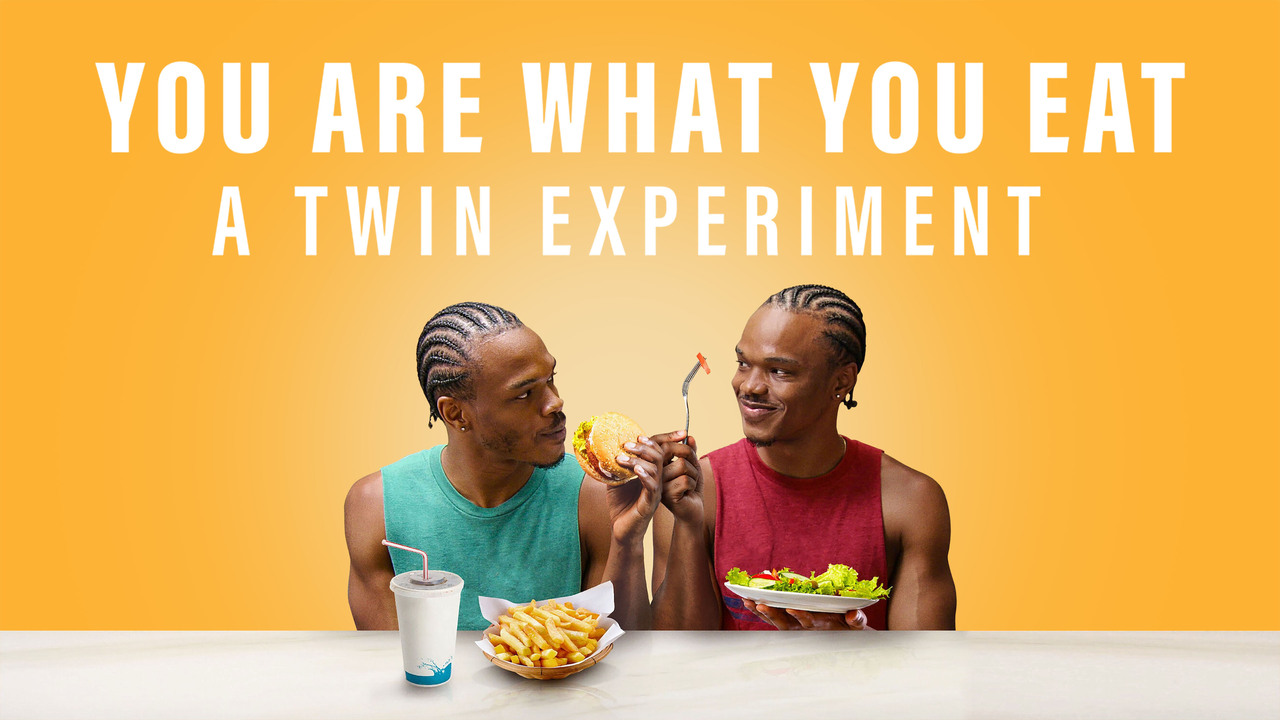
But fast forward to now, and the show has morphed into something entirely different. The 2024 Netflix iteration, You Are What You Eat: A Twin Experiment, ditched the "poop lady" antics of the early British series and swapped them for hard science, Stanford University researchers, and a bunch of identical twins.
It’s not just a show anymore. It's a massive, polarizing debate about veganism, the environment, and how much our genes actually control our waistlines.
The Massive Shift From Gillian McKeith to Stanford Science
The original You Are What You Eat television show was a product of the mid-2000s wellness boom. It relied heavily on shock value. You’d see Gillian McKeith examining stool samples or forcing participants to stare at a table covered in 40 pounds of raw fat. It was entertainment first, science... maybe fifth or sixth. There’s actually been plenty of pushback over the years regarding McKeith’s credentials and the "pseudo-science" often featured in those early episodes. It was "tough love" that felt a bit more like public shaming.
Then Netflix got a hold of the concept.
The new version is a docuseries following a real-world study conducted by Stanford Medicine. Led by Christopher Gardner, PhD, a professor of medicine at the Stanford Prevention Research Center, the study looked at 22 pairs of identical twins. Why twins? Because they are the ultimate scientific "control." If one twin eats meat and the other goes vegan, you can’t blame the results on "bad genes."
It’s a clever pivot. Instead of one person being told they’re "unhealthy," we see a side-by-side comparison of how food affects the human body at a cellular level.
Why the Twin Study Matters
The premise was simple: for eight weeks, one twin followed a healthy omnivorous diet (meat, veggies, grains) while the other followed a strictly plant-based diet. For the first four weeks, meals were delivered to them. For the last four, they had to cook for themselves.
The results were kind of a bombshell. The vegan twins showed significantly lower LDL cholesterol (the "bad" kind), better insulin levels, and even increased life expectancy markers like longer telomeres. But it wasn't all sunshine and kale. The plant-based group struggled to get enough protein and reported lower satisfaction levels compared to their meat-eating siblings.
The "Propaganda" Controversy
You can't talk about the You Are What You Eat television show reboot without mentioning the backlash. A lot of viewers—and quite a few nutritionists—felt the show leaned too heavily into pro-vegan messaging. It wasn't just about what happened in the lab. The series spent a lot of time on the environmental impact of the beef industry, the ethics of salmon farming, and the sociopolitical issues of "food deserts" in urban areas.
Critics argue that by mixing a clinical study with a social documentary, the show lost its objectivity.
Is it "propaganda" if the data is real? That’s the big question. Dr. Gardner himself has been open about the fact that he has been mostly vegan for years, which led some to question the study's neutrality. However, the study was peer-reviewed and published in JAMA Network Open. That’s a big deal. It’s not just "TV science." It’s actual medical literature, even if the show's editing felt a bit lopsided to those who enjoy a steak.
Breaking Down the "Food Tube" Legacy
Remember the old food tube? The new show doesn't need it. Instead, they use DEXA scans. These are high-tech X-ray scans that measure bone density and body fat percentage with incredible precision. Seeing a twin lose visceral fat (the dangerous stuff around your organs) in real-time is way more impactful than seeing a pile of old burgers in a plastic tube.
It reflects how our culture has changed. We’re less interested in being shamed and more interested in the "why" behind our health. We want to see the bloodwork. We want to see the gut microbiome changes.
What the Show Gets Right (And Where It Fails)
Honestly, the You Are What You Eat television show is at its best when it focuses on the psychological struggle of changing a diet. We saw twins like Pam and Wendy or Charlie and Michael deal with the reality of social pressure. Eating out while vegan is hard. Cooking for yourself when you’re used to takeout is exhausting.
The show succeeds in proving that "healthy" isn't a one-size-fits-all label.
Where does it fail? It oversimplifies the "vegan vs. meat" debate by occasionally ignoring the nuances of regenerative agriculture or the fact that "vegan" doesn't always mean "healthy." You can eat Oreos and French fries and be vegan, but you’re probably going to feel like garbage. The show focuses on a healthy plant-based diet, which requires a lot of prep and money—something many people just don't have.
The Real Cost of the "You Are What You Eat" Lifestyle
One thing the show briefly touches on but doesn't dive deep enough into is the "cost of entry" for the diets they propose. The twins in the study had their meals provided for half the time. Most of us don't have a Stanford-funded catering service.
- Organic produce is expensive.
- Time spent cooking from scratch is a luxury.
- Specialty vegan proteins often cost 20-30% more than chicken or eggs.
If you're watching the show and feeling inspired, it's important to realize that the "optimal" diet shown on screen is often a full-time job to maintain.
Real-World Takeaways for Your Own Plate
If you’re looking to apply the lessons from the You Are What You Eat television show without joining a clinical trial, here is the "non-TV" version of the advice.
First off, the "all or nothing" approach usually ends in a midnight run to Taco Bell. The most successful participants in these studies—and in real life—are those who find a middle ground. You don't have to go full vegan to see the benefits that the "vegan twins" saw. Simply increasing your fiber intake can do wonders for your cholesterol.
Most people eat less than 15 grams of fiber a day. The "healthy" twins were pushing 40 or 50 grams. That’s a lot of beans and broccoli.
Secondly, track your "visceral fat," not just your weight. The show did a great job of explaining that you can look "thin" but be metabolically unhealthy. This is often called "TOFI" (Thin Outside, Fat Inside). Focusing on muscle mass through resistance training—as some twins did in the show—is just as important as what you put in your mouth.
Practical Steps to Level Up Your Nutrition
Don't just watch the show; do something with the info. You don't need a twin to see if a diet works for you.
- Get a baseline blood panel. Ask your doctor for an NMR LipoProfile or a standard lipid panel. Know your starting numbers for LDL and A1C.
- The 80/20 Fiber Rule. Try to get 80% of your carbs from high-fiber sources (legumes, berries, whole grains). The show proved this is the single biggest "hack" for heart health.
- Experiment with "Plant-Forward" weeks. You don't have to quit meat forever. Try the "one meal a day is plant-based" approach. It’s sustainable. It’s realistic. It doesn't require a Netflix camera crew to follow you around.
- Focus on fermented foods. The new series briefly mentions the microbiome. Adding kimchi, sauerkraut, or kefir can help repair the damage done by years of processed sugar.
The You Are What You Eat television show has evolved from a gross-out reality hit into a complex, sometimes frustrating, but ultimately necessary look at how we fuel ourselves. Whether you believe the Netflix version was a vegan commercial or a scientific breakthrough, it’s hard to deny the core truth: your body is a reflection of your habits. You don't need a food tube to tell you that, but sometimes, seeing the data on screen is the kick in the pants we all need to actually eat a vegetable.