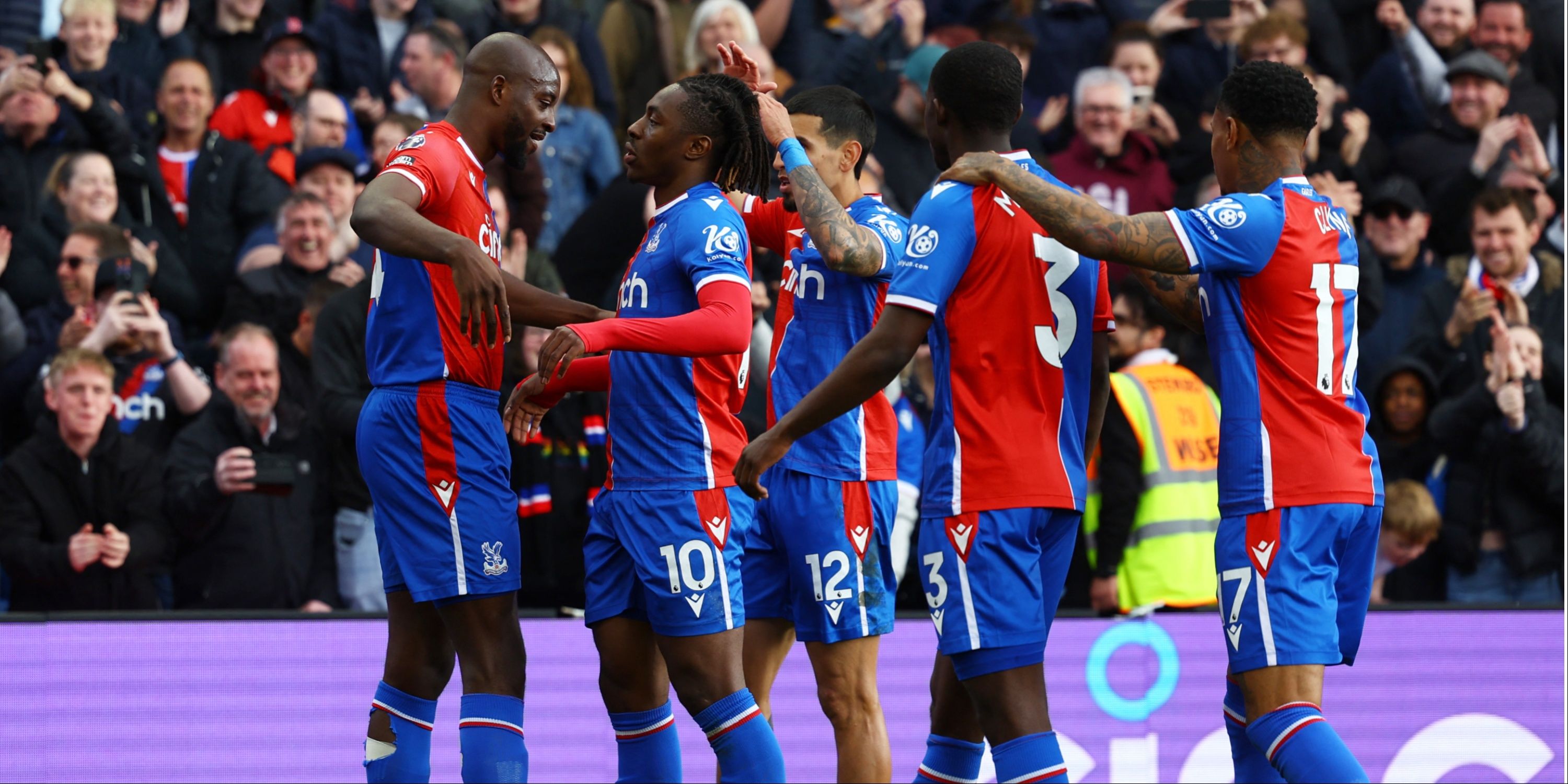
Ever had someone point a finger at you, grin, and say those four words? It feels good. Honestly, "you are the man" is one of those weirdly sticky phrases that has survived decades of shifting slang without losing its punch. While other expressions like "the bee’s knees" or "all that and a bag of chips" died painful deaths in the archives of cringe, this one stuck. Why?
It’s about validation. Pure and simple.
When you tell someone you are the man, you aren't just saying they did a good job. You’re elevating them. You are placing them at the top of a temporary social hierarchy because they solved a problem, hit a home run, or maybe just showed up with the right snacks at the right time. It’s a verbal high-five that carries a surprising amount of psychological weight.
Where did this even come from?
Linguists generally trace the spirit of the phrase back to African American Vernacular English (AAVE), much like "the man" as a concept of authority. But there’s a massive flip here. In the mid-20th century, "The Man" was the oppressor. It was the government, the boss, the police—the faceless entity keeping you down. You didn't want to be "The Man."
Then things shifted.
By the 1960s and 70s, particularly in sports and soul music culture, the context evolved. Being "the man" started to mean being the protagonist of the story. If you look at the 1970s funk scene or the rise of superstars like Muhammad Ali, the energy changed. To be the man meant you were the one with the skill, the one who couldn't be beat. It was no longer about the system; it was about individual excellence.
The psychology of the "Alpha" compliment
We live in a world that is increasingly skeptical of traditional hierarchies, yet we still crave individual recognition. Psychologists often talk about "positive reinforcement," but that sounds like something you do to a lab rat. "You are the man" is visceral.
It’s an acknowledgment of competence.
Think about the last time you heard it. It probably wasn't during a formal performance review. It was likely in a driveway after fixing a lawnmower, or in a Discord chat after winning a round of Valorant. It bridges the gap between formal praise and casual camaraderie. It tells the recipient that their specific contribution was noticed and appreciated by their peers.
When the phrase goes wrong
Context is everything. Seriously. If you say you are the man to your boss after he gives you a 2% raise, it’s going to sound like sarcasm. Or worse, like you’re sucking up. There is a fine line between a genuine compliment and a "bro-ism" that feels forced or dated.
There’s also the gender element. Obviously, the phrase is gendered, but in modern slang, it has frequently become gender-neutral in practice—sort of like "guys" or "dude." However, that doesn't mean it lands the same way with everyone. Some people find it exclusionary; others find it hilarious when applied to a woman who just successfully negotiated a massive contract. It’s a tool. And like any tool, if you use a sledgehammer to hang a picture frame, you’re going to make a mess.
Cultural impact and pop culture footprints
You can’t talk about this phrase without mentioning its saturation in movies and TV. It peaked in the late 90s and early 2000s. Think about the classic "pointing" trope in cinema. One character does something heroic, the other points and shouts the line.
- Sports: Announcers have used variations of this for decades. When a player hits a walk-off, they are "the man" for that city for at least the next 24 hours.
- Film: From The Big Lebowski vibes to high-octane action movies, the phrase serves as a verbal medal of honor.
- Music: Countless lyrics use the phrase to establish dominance or "braggadocio," a staple of hip-hop and rock alike.
But there is a deeper level to it. In the 1986 film The Color of Money, there’s a specific energy around being "the man" at the pool table. It’s about being the person everyone else has to measure themselves against. It’s a heavy crown to wear.
Why we still say it in 2026
You’d think by 2026 we would have replaced this with something more "digital" or "optimized." But we haven't. Humans are hardwired for status and belonging.
When someone tells you you are the man, they are giving you status.
It’s a quick way to build social capital. In a workplace that feels increasingly disconnected due to remote setups and AI-driven workflows, these small bursts of human-to-human validation are actually becoming more important, not less. We need to know that a real person saw what we did and thought it was cool.
Actionable ways to use (and receive) the phrase
If you want to use this kind of language effectively, you have to be sincere. If it’s fake, people smell it instantly. It becomes a meme of itself.
- Time it right. Don't say it for mundane tasks. Save it for when someone actually goes above and beyond or solves a frustrating problem.
- Watch your tone. It should be enthusiastic, not monotone. If you say it like a robot, you might as well not say it at all.
- Accepting the compliment. If someone says it to you, don't get awkward. A simple "Thanks, I appreciate that" or a reciprocal "Right back at you" keeps the energy positive.
- Know your audience. If you're in a highly formal legal environment, maybe stick to "Great work." If you're at a BBQ or a startup office, let it rip.
Ultimately, the phrase persists because it's simple. It doesn't require a paragraph of explanation. It captures a feeling of victory in four syllables. Whether you're a sports fan, a gamer, or just someone trying to get through a Tuesday, hearing that validation can turn a bad day around. It is the ultimate low-effort, high-impact social lubricant.
Understand the history, respect the context, and don't be afraid to hand out the "title" when someone earns it. It builds better teams, better friendships, and honestly, it’s just fun to say.
The next time a friend helps you move a couch or a coworker catches a bug in your code right before a deadline, tell them. It matters more than you think.



