Music is weird. One day you’re humming a tune in the shower, and the next, you realize that a single line about physics—or a lack thereof—has been stuck in the cultural collective consciousness for over four decades. When people hear the phrase you are the magnet and i am steel, they usually think of one of two things: a neon-soaked 80s pop hit or a high school science project gone slightly metaphorical.
Honestly, the line is a bit of a head-scratcher if you think about it too hard. Steel isn't a magnet, but it’s definitely attracted to one. It’s the perfect metaphor for that helpless, "I can’t stop myself" kind of love that fueled the decade of big hair and even bigger synthesizers. Expanding on this topic, you can find more in: Why the Grammys Had to Change the Rules for Best New Artist.
The Song That Made It Famous
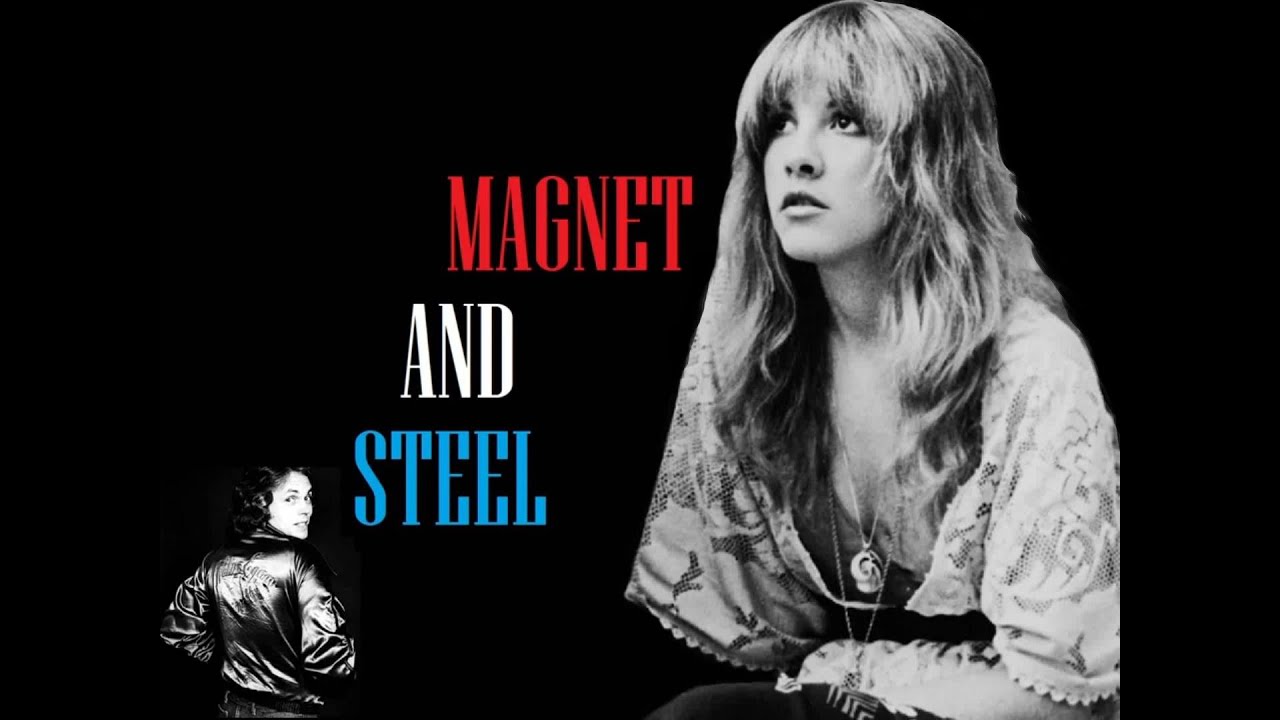
We have to talk about Walter Egan. If the name doesn't ring a bell immediately, the riff definitely will. Released in 1978, his hit "Magnet and Steel" basically defined the late-seventies soft rock transition into the eighties. It’s got that breezy, California-cool vibe that makes you want to drive a convertible toward a sunset you’ll never actually reach.
Egan wasn't just some guy in a studio, though. He had some serious firepower behind him. Lindsey Buckingham and Stevie Nicks of Fleetwood Mac fame were all over this track. Buckingham produced it, and Nicks provided those ethereal backing vocals that make the chorus feel like it's floating. Observers at GQ have also weighed in on this matter.
The inspiration was real, too. Egan wrote the song about Stevie Nicks herself. He was captivated by her—who wasn't in 1978?—and that magnetic pull became the literal foundation of the track. When he sings you are the magnet and i am steel, he’s talking about the gravity of a superstar who had a knack for pulling people into her orbit.
Why the Metaphor Sticks
Why does this specific phrasing work? It's simple.
Magnets are active; steel is passive. In the world of pop songwriting, that dynamic is gold. It suggests a lack of agency. The "steel" person isn't choosing to fall; they are being hauled across the room by an invisible force. It’s romantic, sure, but it’s also a little bit desperate.
It’s also scientifically sound-ish. Carbon steel is ferromagnetic. If you put a strong neodymium magnet next to a paperclip, the paperclip doesn't have a choice in the matter.
The 80s Obsession with Attraction
The trope didn't stop with Walter Egan. The 1980s were obsessed with the idea of "opposites attract" or "unbeatable pulls." You see it in the fashion, the movies, and definitely the lyrics.
Think about the chemistry in films like Midnight Run or the push-pull of Moonlighting. The idea of you are the magnet and i am steel became a shorthand for any relationship where one person held all the power and the other was just along for the ride.
Interestingly, Egan’s track saw a massive resurgence in the late 90s because of the movie Boogie Nights. Director Paul Thomas Anderson used it to perfectly encapsulate a specific kind of tawdry, sun-drenched nostalgia. It proved that the song—and that specific lyric—had staying power far beyond its initial chart run.
Misquotations and Pop Culture Echoes
People get the lyric wrong all the time. I've heard "You are the magnet and I am the glue," which makes zero sense because glue doesn't work that way. I've also heard "You are the magnet and I am the metal," which is just lazy.
The specificity of "steel" matters. It sounds hard. It sounds industrial. It suggests that even the toughest material can be bent or moved by the right person.
- The Muhammad Ali connection: Some folks confuse the vibe with Ali’s "Float like a butterfly, sting like a bee." It’s that same A-B structure that sticks in the brain.
- The Covers: Artists like Matthew Sweet and Susanna Hoffs have tackled the track, proving that the you are the magnet and i am steel sentiment works just as well in a power-pop context as it does in a folk-rock one.
- The Commercials: You’ve likely heard snippets of the melody in everything from car ads to medication commercials. It’s "safe" rock—the kind that feels familiar even if you weren't alive when it was recorded.
The Science of the Song
Let’s get nerdy for a second. If we’re taking the metaphor literally, the "steel" person eventually becomes magnetized themselves. When you leave a piece of steel in contact with a strong magnet for long enough, the domains inside the steel align.
Basically, if you stay close to the "magnet" person long enough, you start acting just like them. You start pulling other people in. It's a weirdly deep take on how we're influenced by the people we love. We don't just get pulled toward them; we get changed by them.
Putting the Lyric to Work
If you’re a songwriter or a creative writer, there’s a lesson here. Don't be afraid of the obvious. A magnet and steel isn't a complex metaphor. It’s not "The Love Song of J. Alfred Prufrock." But it is visceral.
Everyone knows what it feels like to be pulled toward something they know might be trouble. That’s the "steel" experience. You’re solid, you’re strong, but you’re moving anyway.
Actionable Insights for Using Classic Tropes
If you're looking to capture that same "magnetic" energy in your own life or creative work, keep these things in mind:
- Embrace the Passive: Sometimes the best stories aren't about what the hero does, but what is happening to them. Letting yourself be the "steel" can be a powerful narrative hook.
- Lean into the Physics: Use metaphors that people can visualize instantly. Everyone has played with magnets. Nobody has to look up what that feels like.
- Collaborate Up: Walter Egan’s song was good, but with Stevie Nicks and Lindsey Buckingham, it became legendary. Find people who amplify your "magnetic" pull.
- Check Your Materials: Not everything is attracted to magnets. Aluminum doesn't care. Brass doesn't care. If the "magnet" in your life isn't pulling you, maybe you're just not made of steel. And that’s okay too.
The enduring legacy of you are the magnet and i am steel isn't just about a catchy chorus. It’s about the universal truth that some people just have a gravity we can’t escape. Whether it’s a rock star from 1978 or a person you just met at a coffee shop, that pull is real. You can't fight physics, and sometimes, you shouldn't even try. Just enjoy the ride toward the magnet.



