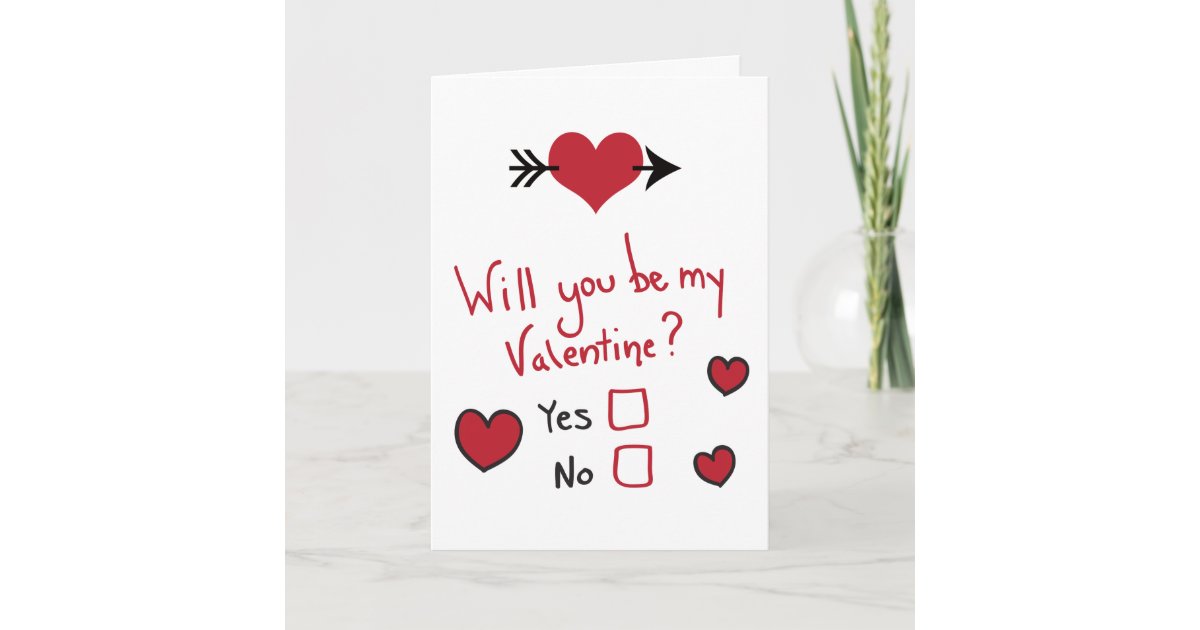
Everyone has seen it on a cheesy drugstore card or a frantic last-minute text. You are my valentine. It’s a phrase so ubiquitous it almost feels like linguistic wallpaper during the month of February. But honestly, have you ever stopped to think about how weird it is to claim ownership over a Roman martyr's name just to tell someone you like them?
We say it. We send it. Sometimes we even dread it.
The history isn't just about chocolate and roses. It’s actually kind of messy. Between the blurred lines of ancient Roman festivals and the high-society poetry of the Middle Ages, this specific phrase morphed into a social contract. Today, telling someone "you are my valentine" is less about the saint and more about a modern psychological anchor. It’s a declaration of "us" in a world that’s increasingly digital and fragmented.
The Weird History Behind the Phrase
Most people think Valentine’s Day was always about romance. It wasn't. The origins are actually quite grim and involve the execution of a priest (or two, or three—historians are still debating the exact identity of St. Valentine) who defied Emperor Claudius II. Legend says he performed secret marriages for soldiers. Before he was hauled off to his death, he supposedly wrote a note to the jailer's daughter and signed it "From your Valentine."
If that’s true, the very first time someone was "a valentine," it was a goodbye letter from a death row inmate.
Then you’ve got Lupercalia. This was an ancient Roman festival held in mid-February that involved goats, dogs, and ritualistic slapping of women with strips of animal hide for fertility. Not exactly the vibe of a modern date night at a steakhouse. The Catholic Church eventually stepped in, likely trying to "Christianize" the pagan festival, and by the time Geoffrey Chaucer came around in the 14th century, he was linking the feast day of St. Valentine to the mating season of birds.
Basically, we have a medieval poet to thank for the romantic twist. In his poem Parliament of Fowls, he wrote about every bird coming to choose his mate on "seynt valentynes day." Suddenly, being someone’s "valentine" became about selection. It became a choice.
Why Saying "You Are My Valentine" Matters Now
In 2026, the phrase carries a different weight. We live in the era of "situationships" and "breadcrumbing." Explicitly stating you are my valentine is a rare moment of clarity. It’s a definitive label in a sea of ambiguity. According to researchers who study interpersonal communication, using specific labels during holidays serves as a "relationship maintenance" behavior. It’s a way to signal commitment without needing a three-hour "where is this going" talk.
But it’s also a cultural juggernaut.
The Greeting Card Association estimates that roughly 145 million Valentine’s Day cards are exchanged annually in the U.S. alone. That doesn’t even count the billions of digital messages. When you tell someone they are your valentine, you're tapping into a multi-billion dollar industry, sure, but you're also participating in one of the few remaining universal secular rituals.
The Psychology of the Ask
There is a huge difference between being someone's partner and being their "valentine." One is a status; the other is a role for a specific moment.
Think about the high stakes of elementary school. Remember those cardboard boxes covered in tin foil? You had to give a card to everyone. But there was always that one card. The one with the slightly better candy or the specific sticker. That was the early training ground for the phrase. It taught us that "valentine" is a title of preference.
As adults, the phrase has evolved.
- For long-term couples, it's a reaffirmation. A "hey, I still choose you" amidst the bills and the laundry.
- For new flings, it's the "Level 1" boss of commitment. It’s testing the waters.
- For friends ("Galentines"), it’s a reclamation of the day to celebrate platonic love.
Beyond the Hallmark Version
Let’s get real. The phrase can feel performative. Social media has turned Valentine’s Day into a competitive sport. You see the posts: the giant teddy bears, the overpriced roses, the captioned photos. "You are my valentine" becomes a caption rather than a sentiment.
Psychologists often warn about "relational ducking," where people use the holiday to make up for months of neglect. Buying a $100 bouquet doesn't fix a lack of communication in July. True experts in the field, like those from The Gottman Institute, suggest that the "valentine" sentiment should be a year-round practice of "small things often" rather than one big explosion of red glitter on February 14th.
Surprising Statistics on Modern Romantics
- Men typically spend significantly more than women on Valentine's Day gifts, often averaging over $200.
- Nearly 30% of people surveyed in recent years say they prefer an "experience" over a physical gift.
- Pet owners are a massive demographic; millions of people now consider their dog or cat to be their primary "valentine."
How to Actually Use the Phrase (Without Being Cringe)
If you're going to use the phrase you are my valentine, context is everything. Authenticity beats a rhyming poem every single time.
First, consider the medium. A handwritten note in 2026 is basically a superpower. Because we spend so much time on screens, physical ink on paper has a high "tactile value." It shows effort. It shows you didn't just let an AI write a text for you (though many people do).
Second, get specific. Don't just say "you are my valentine." Say why. Is it because they make the best coffee? Is it because they stayed up with you when you were sick? Connection lives in the details.
Third, read the room. If you’ve only been on two dates, maybe skip the "You are my forever Valentine" card. It’s a bit much. Keep it light. "Be my valentine?" is a question. "You are my valentine" is a statement. Know which one you're making.
Moving Toward Actionable Romance
The phrase doesn't have to be a cliché. It can be a starting point for better connection. Instead of just saying the words, try these specific shifts to make the sentiment stick:
- The "Non-Date" Date: Use the day to do something you both actually like, rather than what the movies tell you to do. If you hate fancy restaurants, go to an arcade or a bookstore.
- The Time Capsule: Write down one thing you appreciate about your partner today and put it in a jar. Do this every year. By the time you've said "you are my valentine" ten times, you have a decade of history.
- Digital Boundaries: Put the phones away. The best way to show someone they are your valentine is to give them your undivided attention for four hours. No scrolling. No checking emails.
- Self-Validation: If you don't have a partner, the phrase still works. Being your own valentine—treating yourself to a meal, a movie, or just a quiet night—is a legitimate way to acknowledge your own value.
The phrase is a tool. Like any tool, it’s only as good as the person using it. Don't let the commercialization of the holiday strip the meaning away. Whether it's a whispered "you are my valentine" over a pizza or a bold declaration in a card, make sure it's backed up by the way you treat that person on February 15th and every day after.
Valentine’s Day will always be a polarizing topic. Some see it as a "Hallmark Holiday," while others see it as a necessary pause to celebrate love. Regardless of where you fall, the words remain a powerful way to mark a boundary around a relationship and say, "In this moment, you are the priority."
Focus on the "why" behind the phrase. Look at your partner—or your friend, or your pet, or even yourself—and identify one specific, non-physical trait you genuinely admire. Write that down. Pair it with the phrase. You'll find that the "cringe" factor disappears when the words are anchored in real, lived experience. Take the pressure off the "perfect" day and focus on the "perfectly honest" sentiment instead. Turn the phrase from a seasonal obligation into a genuine reflection of your current life.



