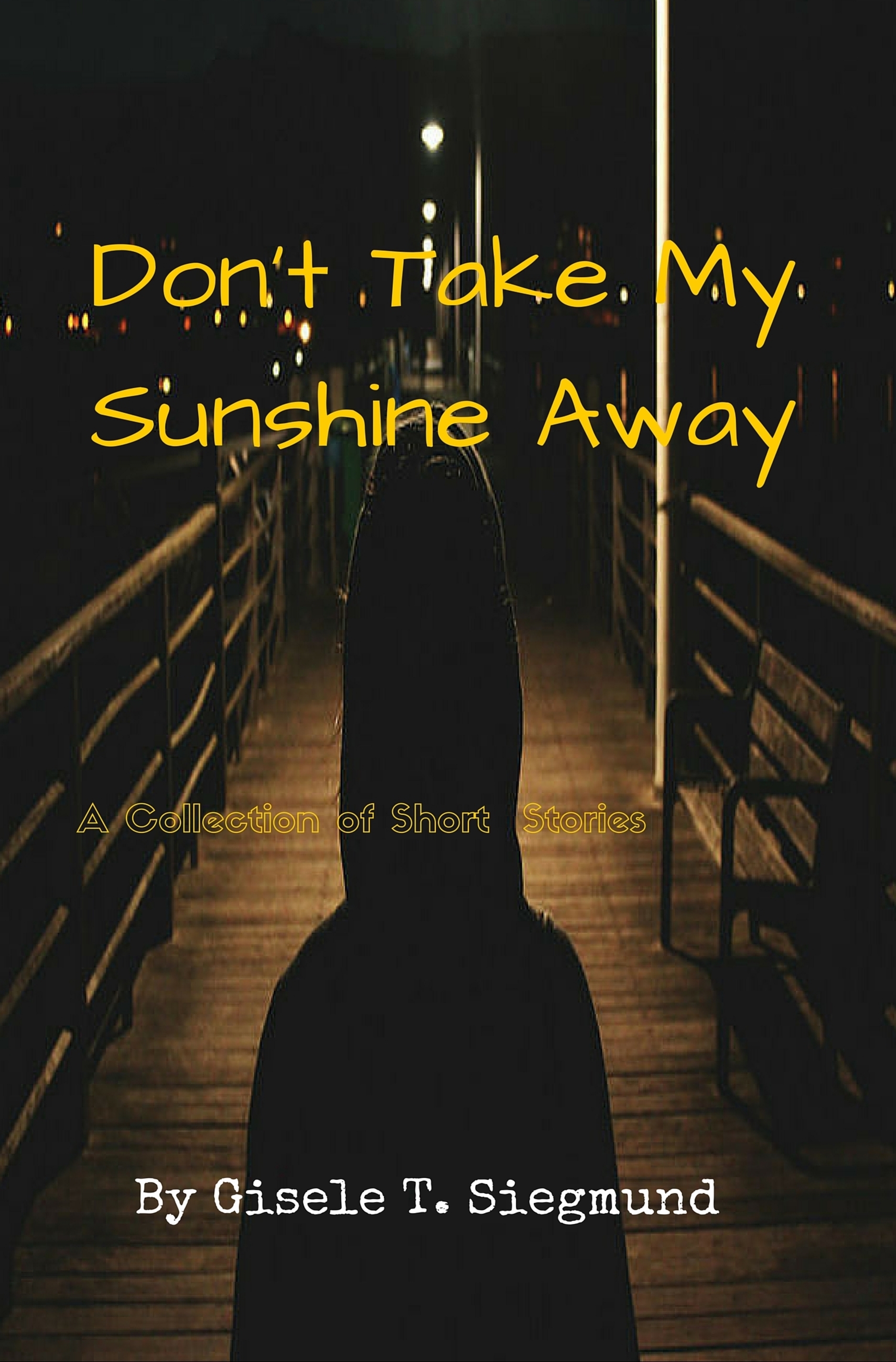
You’ve heard it in a thousand nurseries. Maybe your grandmother hummed it while rocking you to sleep, or perhaps you saw that hauntingly dark cover in a horror movie trailer. It’s "You Are My Sunshine," and specifically that pleading refrain—please don't take my sunshine away—that has become a permanent fixture of the American psyche. It sounds like a lullaby. It feels like a warm hug. But if you actually sit down and read the full lyrics, you realize pretty quickly that it’s actually a devastating song about abandonment, paranoia, and unrequited love.
The song is a bit of a chameleon.
Depending on who is singing it, the meaning shifts from a mother’s devotion to a desperate lover’s last stand. Most people only know the chorus. They sing it with a smile, oblivious to the fact that the very next verse involves the narrator waking up in tears because they realized it was all a dream. It’s one of the most recorded songs in the history of popular music, yet it’s also one of the most misunderstood.
The Murky Origins of a Masterpiece
Who actually wrote it? That’s where things get messy.
If you look at the official records, Jimmie Davis and Charles Mitchell are credited with the song, having copyrighted it in 1940. Jimmie Davis wasn't just a singer; he was the Governor of Louisiana. Twice. He actually used the song as a campaign tool, riding a horse named "Sunshine" and singing the tune to crowds of voters. It worked. People loved the song, and they loved him for it.
But history isn’t always as clean as a copyright office filing.
Long-time music historians and researchers, like those who contributed to the Journal of American Folklore, have pointed out that Davis likely bought the rights to the song from Paul Rice of the Rice Brothers Gang. Back then, "buying" a song was a common practice. Paul Rice reportedly claimed he wrote it in 1937 to cope with his own domestic troubles. Some even trace the melodies and snippets of the lyrics back to old folk traditions or earlier recordings by Oliver Hood. Hood’s descendants have long maintained that he wrote the lyrics on a brown paper sack before it was ever "discovered" by the big names.
Regardless of who held the pen first, Jimmie Davis made it a phenomenon. He turned a simple, sad country ballad into a political anthem and a global standard.
That One Line: Please Don't Take My Sunshine Away
Why does this specific line stick?
"Please don't take my sunshine away." It’s a plea. It’s a recognition of vulnerability. We all have something—a child, a partner, a dream—that represents our "sunshine." The fear of losing that light is a universal human experience.
When you look at the 1939 recording by The Pine Ridge Boys or the 1941 version by Gene Autry, the desperation is palpable. Autry, the "Singing Cowboy," gave it a certain wholesome polish, but the lyrics remained jagged.
"I'll always love you and make you happy, If you will only say the same. But if you leave me to love another, You'll regret it all some day."
That’s not a lullaby. That’s a threat. Honestly, it’s kinda dark when you think about it. The narrator is basically saying, "Stay with me or you’ll be sorry." It’s this weird tension between the bright, bouncy melody and the possessive, fearful lyrics that gives the song its staying power. It isn't just a "happy" song. It’s a song about the cost of happiness.
From Johnny Cash to Ray Charles: The Covers
Everyone has a version.
Ray Charles took it in 1962 and turned it into a soul-drenched, groovy masterpiece that reached number seven on the Billboard Hot 100. He stripped away the hillbilly twang and replaced it with a brassy, sophisticated yearning. He made it swing, but he kept the hurt.
Then you have Johnny Cash. When Cash sang it, particularly in his later years, it felt like a man facing the end of his life, clinging to the few things that still made sense. It wasn't just music; it was a testament.
More recently, the song has been used in films and TV shows to create a sense of "uncanny" dread. Think about Annabelle: Creation. In the world of horror, taking a sweet, innocent melody and slowing it down to a dirge is a classic trope. Why? Because the plea—don't take my sunshine away—becomes terrifying when you imagine someone (or something) actually coming to take it.
The Psychology of Why We Sing It to Kids
It’s fascinating that a song about a cheating lover or a broken heart became the world's go-to lullaby.
Child psychologists often point out that infants don't care about the lyrical content. They care about the cadence. The "You Are My Sunshine" melody follows a very predictable, comforting arc. It rises and falls in a way that mimics a heartbeat or a gentle rocking motion.
But for the parents?
Singing it is a form of emotional catharsis. When you hold a newborn, the world feels incredibly fragile. The idea that someone could "take" that sunshine away is a very real, very deep-seated anxiety. By singing it, we aren't just soothing the baby; we’re soothing ourselves. We’re acknowledging that this little person is our whole world, and we’re asking the universe for a little bit of mercy.
Why the Song Still Dominates 80 Years Later
Music trends come and go. Disco died. Hair metal faded. Even the most popular pop stars of today will eventually be "oldies." But "You Are My Sunshine" persists.
- Simplicity: You only need three chords (G, C, and D) to play it on a guitar. It’s accessible.
- Irony: The contrast between the title and the full story provides a depth that simple "happy" songs lack.
- Political History: Its association with Louisiana’s state history (it’s one of their official state songs) keeps it cemented in American heritage.
- The "Discover" Factor: Because it’s so widely used in media, every new generation "discovers" it in a new context—a movie, a viral TikTok, or a commercial.
If you ever find yourself at a funeral or a wedding, listen closely. You might hear it. It fits both occasions perfectly. It’s a song for the peaks and the valleys. It’s about the presence of light and the absolute, terrifying shadow that follows when that light vanishes.
Beyond the Chorus: The Verses You Forgot
Most people stop after the first bit. They never get to the part where the narrator talks about how they "hung their head and cried."
They definitely don't get to the verse about the "other love" who has come along. The full song tells a story of a relationship that is already over. The narrator is living in the past, dreaming of a person who has already moved on. It’s a ghost story.
When you realize that, the line don't take my sunshine away isn't a request—it's a protest against a reality that has already happened. The sunshine is already gone. The song is just the sound of someone trying to hold onto the warmth that’s left in the air after the sun has set.
How to Truly Appreciate the Song Today
If you want to get the full experience of this track, stop listening to the "Kids' Favorite Songs" versions on Spotify.
Go find the Jimmie Davis 1940 original. Listen to the crackle of the recording. Notice the steel guitar. Then, immediately jump to the Ray Charles version. Notice the shift in energy. Finally, look up the version by Civil Wars. It’s haunting, stripped back, and emphasizes the sadness over the sweetness.
Seeing the song through these different lenses helps you understand why it’s more than just a nursery rhyme. It’s a piece of American folklore that captures a very specific type of longing.
Putting the "Sunshine" Into Your Own Life
While the song is technically a bummer if you read the whole thing, there’s a reason we keep the chorus in our hearts. It’s a reminder to appreciate what we have while it’s there.
- Check the Lyrics: Next time you sing it, try to remember the "dream" verse. It adds a layer of honesty to the sentiment.
- Learn the Chords: If you have a dusty ukulele or guitar, this is the first song you should learn. It’s the ultimate "social" song. Everyone knows the words.
- Explore the History: Louisiana’s "Sunshine" law, which deals with open government, is named in spirit after Governor Davis and his song. It’s a wild bit of trivia that shows how a melody can influence law.
Ultimately, the phrase don't take my sunshine away is about the things we value most. Whether it’s a person, a memory, or a sense of hope, we’re all just trying to keep the light on for as long as we can. Don't let the simplicity fool you. It's a heavy song. It’s a beautiful song. And it isn't going anywhere.



